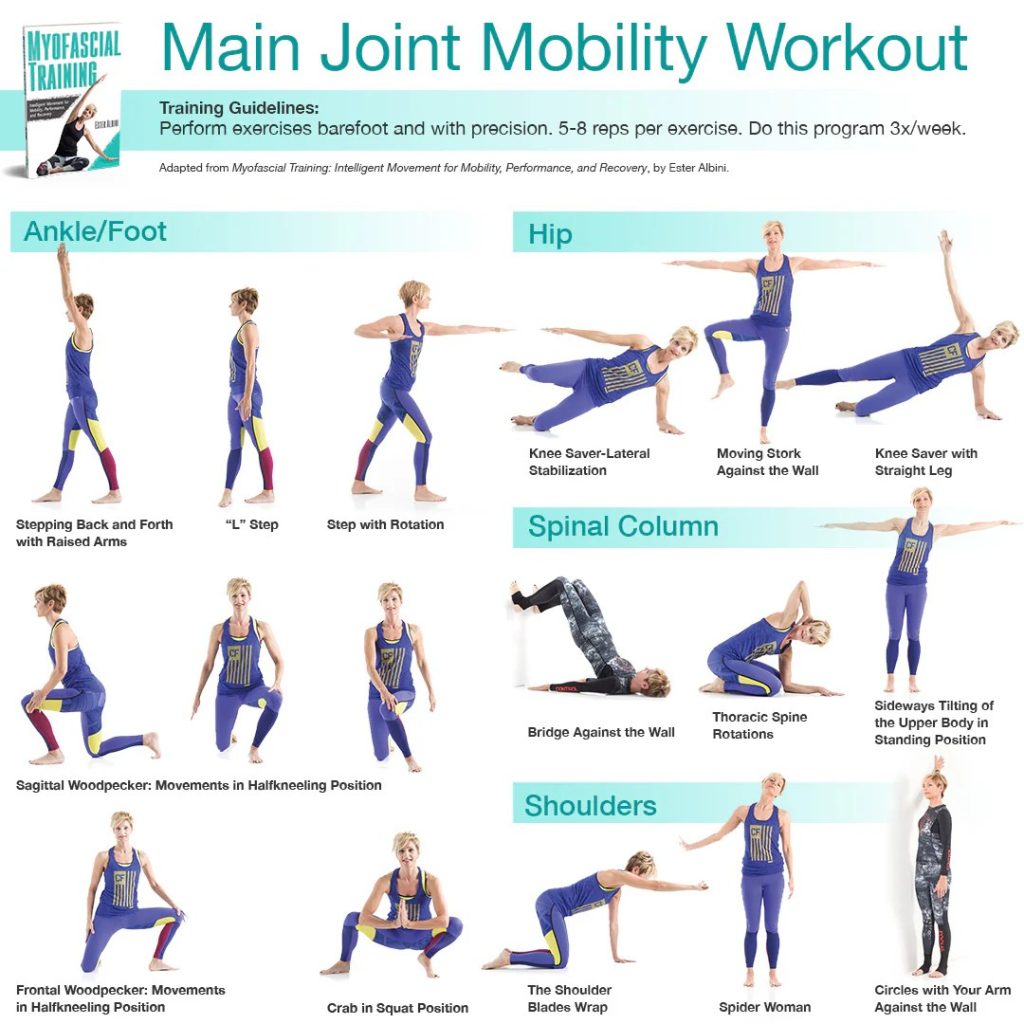
Flexibility and Mobility Exercises
Regular stretching routines offer a multitude of benefits for individuals looking to improve their flexibility and mobility. These exercises help increase the range of motion in joints, enhance muscle elasticity, and improve overall posture and balance.
Benefits of Incorporating Regular Stretching Routines
- Improved flexibility in muscles and joints
- Enhanced mobility and range of motion
- Reduced risk of injury during physical activities
- Increased blood flow and circulation
Examples of Exercises that Improve Flexibility and Mobility
- Leg swings: Stand upright and swing one leg forward and backward, then side to side.
- Shoulder stretches: Gently pull one arm across your body and hold for 15-30 seconds.
- Neck rotations: Slowly rotate your head in a circular motion to stretch the neck muscles.
How Flexibility Exercises Can Prevent Injuries During Physical Activities
Flexibility exercises help prepare the muscles and joints for movement, reducing the risk of strains, sprains, and other injuries during physical activities. By improving the range of motion, the body can adapt better to different movements and stresses.
Importance of Dynamic Stretching versus Static Stretching
- Dynamic stretching: Involves moving parts of your body and gradually increasing the range of motion. This type of stretching is beneficial before physical activities as it helps warm up the muscles and improve performance.
- Static stretching: Involves holding a stretch position for a certain period without moving. This type of stretching is more suitable after physical activities to help cool down the muscles and improve flexibility over time.
Building a Balanced Exercise Routine
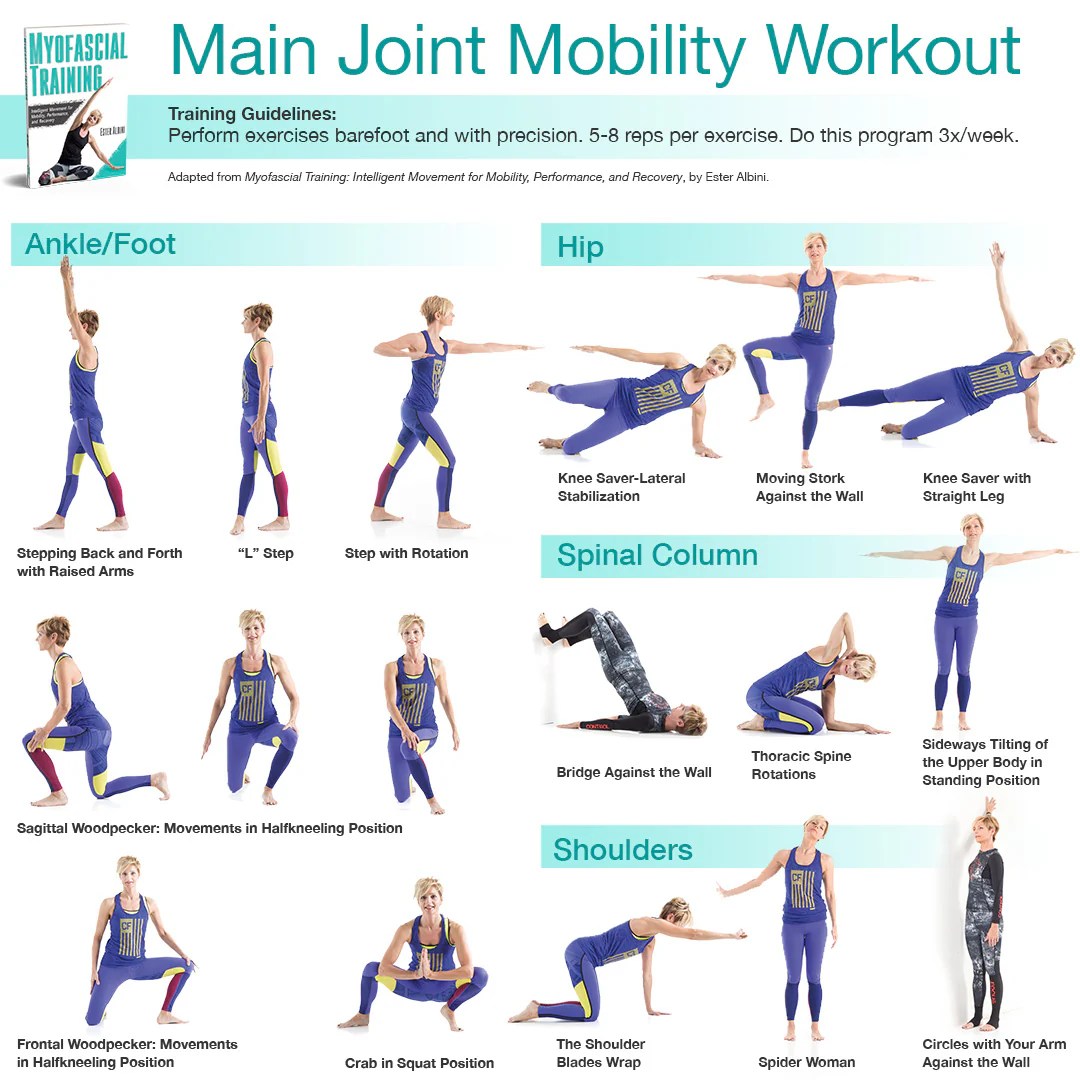
Regular exercise routines that focus on flexibility and mobility are essential for overall health and well-being. To create a balanced exercise plan that incorporates these elements, it is important to consider the following factors:
Frequency and Duration of Flexibility Workouts
When it comes to flexibility workouts, aim to incorporate stretching exercises at least 2-3 times a week. Each session should last for about 10-15 minutes to effectively improve flexibility and mobility.
Combining Stretching Exercises with Other Forms of Physical Activity
To enhance the benefits of stretching exercises, consider incorporating them into your warm-up routine before engaging in other forms of physical activity such as cardio or strength training. This can help prepare your muscles for the workout ahead and reduce the risk of injury.
Advantages of Including Yoga or Pilates in a Workout Regimen
Yoga and Pilates are excellent forms of exercise that focus on flexibility, strength, and balance. By including these practices in your workout regimen, you can improve overall flexibility, enhance muscle tone, and promote relaxation and stress relief. Additionally, both yoga and Pilates can help improve posture and body awareness, making them valuable additions to a well-rounded exercise routine.
Nutrition for Flexibility and Mobility
Proper nutrition plays a crucial role in supporting flexibility and mobility by providing the necessary nutrients for joint health and reducing inflammation. Consuming foods rich in vitamins and minerals is essential for maintaining flexibility and mobility as we age.
Role of Vitamins and Minerals
- Vitamin C: Helps in collagen production, which is essential for joint flexibility.
- Vitamin D: Supports bone health and aids in calcium absorption for strong bones and joints.
- Magnesium: Important for muscle and nerve function, contributing to overall flexibility.
- Omega-3 Fatty Acids: Known for their anti-inflammatory properties, helping to reduce joint pain and stiffness.
Foods for Joint Health
- Fatty fish like salmon and mackerel
- Leafy greens such as spinach and kale
- Nuts and seeds
- Citrus fruits like oranges and lemons
- Whole grains
Importance of Hydration
Regular exercise routines for flexibility and mobility – Adequate hydration is crucial for maintaining flexibility and mobility as water helps in lubricating the joints and keeping them mobile. Dehydration can lead to stiffness and decreased range of motion, impacting overall flexibility.
Preventive Care and Flexibility: Regular Exercise Routines For Flexibility And Mobility
Regular exercise routines play a crucial role in preventive care practices aimed at improving flexibility and mobility. By incorporating specific exercises that target joint health, individuals can enhance their overall flexibility and reduce the risk of injuries.
Benefits of Regular Exercise for Long-Term Joint Health
- Regular exercise helps to strengthen the muscles surrounding the joints, providing better support and stability.
- Engaging in flexibility exercises can help increase the range of motion in the joints, reducing stiffness and promoting better mobility.
- Consistent physical activity aids in maintaining healthy joint cartilage and reducing the risk of degenerative conditions such as osteoarthritis.
Incorporating Self-Care Practices for Flexibility and Mobility, Regular exercise routines for flexibility and mobility
- Include foam rolling or self-myofascial release techniques to alleviate muscle tightness and improve flexibility.
- Practice yoga or Pilates to enhance flexibility, balance, and posture, which are essential for overall joint health.
- Regular stretching before and after exercise sessions can help prevent muscle imbalances and improve joint flexibility.
Importance of Maintaining Proper Posture for Joint Health
- Good posture plays a key role in reducing the strain on joints, especially in the spine, hips, and knees.
- Proper alignment supports optimal joint function and helps prevent common issues like back pain and joint stiffness.
- Focus on ergonomics in daily activities like sitting, standing, and lifting to promote healthy joint alignment and reduce the risk of injuries.
Mental Wellness and Flexibility
Regular exercise not only benefits physical health but also plays a crucial role in enhancing mental well-being. The connection between mental wellness and physical flexibility is significant, as they both contribute to overall health and quality of life.
Stress management techniques are essential in improving flexibility and mobility. High levels of stress can lead to muscle tension and tightness, which can hinder flexibility. By incorporating stress-relief practices such as deep breathing, meditation, or yoga into your routine, you can help relax both your mind and body, promoting better flexibility.
Mindfulness Exercises for Flexibility
Practicing mindfulness exercises can complement flexibility routines by increasing body awareness and focus. Examples of mindfulness exercises include mindful stretching, where you pay close attention to the sensations in your body as you stretch, and body scan meditation, where you mentally scan your body for areas of tension and release.
- Engaging in mindful breathing techniques during stretching sessions can help calm the mind and improve the effectiveness of the stretches.
- Visualization exercises, where you imagine your muscles becoming more flexible and supple, can also enhance the mind-body connection during flexibility training.
Benefits of Relaxation Techniques in Flexibility Workouts
Incorporating relaxation techniques into flexibility workouts can have numerous benefits. Relaxation helps reduce muscle tension, making it easier to achieve a greater range of motion. It also promotes mental clarity and focus, allowing you to fully engage in your flexibility routine.
Remember, a relaxed mind leads to a more flexible body.
Quick FAQs
How often should I do flexibility exercises?
It’s recommended to do flexibility exercises at least 2-3 times a week to see improvements in your flexibility and mobility.
Can I combine yoga with other forms of exercise?
Absolutely! Yoga can be a great complement to other exercises as it enhances flexibility, strength, and mental focus.
Why is hydration important for flexibility and mobility?
Staying hydrated helps maintain joint lubrication and supports overall flexibility by preventing stiffness.


More Stories
How to prevent injuries with regular exercise: Tips and Strategies for Injury Prevention