How to improve quality of life for people with chronic diseases is a question that affects millions worldwide. Living with a chronic condition presents unique challenges, from managing physical limitations to navigating emotional and social complexities. This comprehensive guide delves into practical strategies, innovative solutions, and empowering approaches to enhance the well-being of individuals facing chronic illnesses.
We’ll explore the multifaceted aspects of living with a chronic disease, covering physical health, mental well-being, social support, and the role of technology in improving daily life.
From understanding the impact of chronic diseases on quality of life to exploring holistic wellness plans, we’ll cover a range of topics that can empower individuals to take control of their health and live fulfilling lives despite the challenges they face.
This guide is a valuable resource for anyone seeking to improve their own quality of life or support loved ones living with chronic conditions.
Understanding Chronic Diseases
Chronic diseases are long-lasting conditions that can significantly impact an individual’s quality of life. They often require ongoing medical management, lifestyle adjustments, and can lead to various challenges in daily living.
Impact on Quality of Life
Chronic diseases can affect physical, mental, and social well-being, leading to a decline in quality of life. The impact varies depending on the specific condition, its severity, and individual circumstances.
- Physical limitations:Chronic diseases can cause pain, fatigue, mobility issues, and difficulty performing daily activities, leading to decreased independence and a need for assistance.
- Emotional distress:Living with a chronic illness can be emotionally challenging, leading to anxiety, depression, fear, and feelings of isolation. The constant worry about managing the condition and its potential complications can significantly impact mental health.
- Social implications:Chronic diseases can affect social interactions and relationships. Individuals may experience social isolation, stigma, and discrimination, leading to feelings of loneliness and decreased social support.
- Financial burden:Chronic diseases often require expensive treatments, medications, and specialized care, which can strain financial resources and create significant financial stress.
Common Chronic Diseases and Associated Challenges
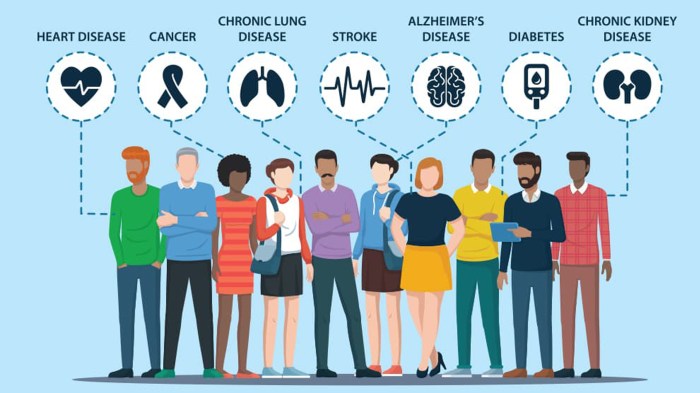
Chronic diseases are prevalent worldwide, affecting millions of people. Some of the most common chronic diseases include:
- Heart disease:This is the leading cause of death globally, and it can lead to heart attacks, strokes, and other cardiovascular complications. It often requires lifestyle changes, medication, and regular monitoring.
- Cancer:Different types of cancer can affect various parts of the body and require diverse treatments, including surgery, chemotherapy, and radiation therapy. Managing cancer and its side effects can be physically and emotionally challenging.
- Diabetes:This condition affects how the body regulates blood sugar levels and can lead to complications such as nerve damage, vision loss, and kidney failure. It requires careful management of blood sugar levels through diet, exercise, and medication.
- Arthritis:This group of conditions causes inflammation and pain in the joints, leading to stiffness, swelling, and limited mobility. It can significantly impact daily activities and require pain management strategies and physical therapy.
- Asthma:This chronic respiratory condition causes inflammation and narrowing of the airways, leading to wheezing, coughing, and shortness of breath. It requires medication and lifestyle modifications to manage symptoms and prevent exacerbations.
Psychological and Social Implications
Living with a chronic disease can have significant psychological and social implications. It can affect self-esteem, body image, and sense of identity, leading to feelings of vulnerability and loss of control.
- Psychological impact:Chronic illness can contribute to anxiety, depression, and other mental health conditions. Individuals may struggle with adjusting to their new reality, coping with limitations, and managing the emotional burden of the condition.
- Social implications:Chronic diseases can affect social interactions and relationships. Individuals may experience social isolation, stigma, and discrimination, leading to feelings of loneliness and decreased social support.
- Impact on work and leisure activities:Chronic diseases can affect an individual’s ability to work, engage in leisure activities, and participate in social events, leading to a decrease in overall quality of life.
Physical Well-being
Maintaining physical well-being is crucial for people with chronic diseases. It can improve their quality of life, manage symptoms, and reduce the risk of complications. However, finding the right balance between physical activity and managing limitations can be challenging.
Strategies for Maintaining Physical Fitness
It’s important to understand that physical fitness for people with chronic diseases might look different from what is considered “typical.” It’s about finding activities that are safe, enjoyable, and achievable.
- Consult a healthcare professional:Before starting any new exercise program, consult a doctor or physical therapist. They can help create a safe and effective plan tailored to your specific condition and limitations.
- Start slowly and gradually increase intensity:Begin with gentle activities and gradually increase the duration and intensity as your body adapts. This helps prevent injury and promotes long-term adherence.
- Listen to your body:Pay attention to any pain or discomfort during exercise. Rest when needed and adjust the intensity or duration of the activity if necessary. Avoid pushing yourself too hard, as this can lead to setbacks.
- Choose activities you enjoy:Exercise should be enjoyable, not a chore. Explore different activities and find ones that you find motivating and engaging. This will help you stay consistent with your routine.
- Incorporate variety:Varying your activities can prevent boredom and target different muscle groups. This can also help prevent overuse injuries and maintain overall fitness.
- Find a supportive community:Joining a fitness class or group can provide motivation, accountability, and a sense of community. This can make exercising more enjoyable and help you stay on track.
Designing a Workout Plan
Designing a workout plan for people with chronic diseases requires a personalized approach.
- Consider your specific condition:Different chronic diseases have different limitations and requirements. For example, a person with arthritis might need to focus on low-impact exercises, while someone with diabetes might need to prioritize cardiovascular activity.
- Set realistic goals:Start with small, achievable goals and gradually increase the intensity and duration of your workouts. This helps prevent discouragement and promotes long-term success.
- Include a variety of exercises:Aim for a balanced workout routine that includes cardiovascular exercise, strength training, and flexibility exercises. This helps improve overall fitness and reduce the risk of complications.
- Listen to your body and adjust as needed:Be mindful of your body’s signals and adjust your workout plan accordingly. If you experience pain or discomfort, stop the activity and consult with your healthcare provider.
- Incorporate rest and recovery:Adequate rest and recovery are crucial for muscle repair and preventing injuries. Schedule rest days into your workout routine and allow your body to recover after intense workouts.
Benefits of Regular Exercise
Regular exercise offers numerous benefits for people with chronic diseases, including:
- Improved cardiovascular health:Exercise strengthens the heart and improves blood circulation, reducing the risk of heart disease, stroke, and other cardiovascular complications.
- Better blood sugar control:Regular physical activity helps improve insulin sensitivity and regulate blood sugar levels, which is particularly beneficial for people with diabetes.
- Weight management:Exercise helps burn calories and build muscle mass, which can aid in weight management and reduce the risk of obesity-related health problems.
- Reduced inflammation:Exercise has anti-inflammatory properties that can help reduce pain and inflammation associated with chronic conditions like arthritis.
- Improved mood and mental health:Exercise releases endorphins, which have mood-boosting effects and can help reduce stress, anxiety, and depression.
- Increased energy levels:Although it may seem counterintuitive, regular exercise can actually increase energy levels and reduce fatigue. This is because it improves cardiovascular health and strengthens muscles.
- Improved sleep quality:Regular physical activity can promote better sleep quality by regulating circadian rhythms and reducing stress levels.
- Increased bone density:Weight-bearing exercises like walking, jogging, and strength training can help increase bone density and reduce the risk of osteoporosis.
- Improved balance and coordination:Exercise can improve balance and coordination, reducing the risk of falls and injuries, especially in older adults.
Holistic Wellness: How To Improve Quality Of Life For People With Chronic Diseases

Holistic wellness is a comprehensive approach to health that recognizes the interconnectedness of physical, mental, emotional, and spiritual well-being. It emphasizes the importance of addressing all aspects of a person’s life to achieve optimal health and well-being.
The Interconnectedness of Wellness Dimensions
The four dimensions of holistic wellness are interconnected and influence each other. For example, physical activity can improve mood and reduce stress, which can positively impact mental health. Conversely, chronic stress can lead to physical health problems, such as high blood pressure and weakened immunity.
Similarly, emotional well-being can affect spiritual practices, and vice versa.
Practices for Enhancing Holistic Wellness
A holistic wellness plan should encompass practices that address each dimension of well-being. Here are some examples:
Physical Well-being
- Regular exercise: Aim for at least 30 minutes of moderate-intensity exercise most days of the week. This can include activities like brisk walking, swimming, or cycling.
- Healthy diet: Choose nutrient-rich foods, such as fruits, vegetables, whole grains, and lean protein. Limit processed foods, sugary drinks, and unhealthy fats.
- Adequate sleep: Most adults need 7-8 hours of sleep per night. Establish a regular sleep schedule and create a relaxing bedtime routine.
Mental Well-being
- Mindfulness: Practice mindfulness techniques, such as meditation or yoga, to cultivate awareness and reduce stress.
- Cognitive stimulation: Engage in activities that challenge your mind, such as reading, puzzles, or learning a new skill.
- Social connections: Maintain strong social relationships and engage in activities with loved ones.
Emotional Well-being
- Emotional regulation: Develop healthy coping mechanisms for managing stress and difficult emotions.
- Self-care: Prioritize activities that promote emotional well-being, such as spending time in nature, listening to music, or engaging in hobbies.
- Seeking support: Don’t hesitate to reach out to friends, family, or a therapist for support when needed.
Spiritual Well-being
- Meaning and purpose: Explore your values and beliefs to find a sense of purpose in life.
- Connection to something greater: Engage in practices that connect you to something larger than yourself, such as prayer, meditation, or spending time in nature.
- Gratitude: Cultivate an attitude of gratitude for the good things in your life.
Advocacy and Empowerment
Living with a chronic disease can often feel like navigating a complex and overwhelming system. You may face barriers to accessing necessary healthcare, understanding your condition, and managing your daily life. This is where advocacy and empowerment play a crucial role in improving quality of life for individuals with chronic diseases.
The Importance of Patient Advocacy, How to improve quality of life for people with chronic diseases
Patient advocacy is essential for improving healthcare access and quality for people with chronic diseases. It involves speaking up for yourself and others with chronic conditions to ensure your needs are met. Advocacy can help bridge the gap between healthcare providers and patients, leading to better communication, understanding, and care.
- Increased Access to Healthcare:Advocacy can help remove barriers to healthcare access, such as navigating complex insurance systems, finding specialists, or securing necessary medications.
- Improved Quality of Care:By advocating for yourself, you can ensure your healthcare providers understand your needs, preferences, and concerns, leading to more personalized and effective care.
- Empowerment and Support:Advocacy groups and organizations provide valuable resources, information, and support to individuals with chronic diseases, fostering a sense of community and shared understanding.
Strategies for Advocating for Yourself and Others
- Educate Yourself:Learn as much as you can about your condition, treatment options, and available resources. This knowledge will empower you to ask informed questions and make informed decisions.
- Communicate Effectively:Be clear and concise when communicating with healthcare providers. Write down your questions and concerns beforehand, and don’t hesitate to ask for clarification.
- Build a Support Network:Connect with other individuals with chronic diseases, advocacy groups, and online communities. Sharing experiences and information can provide invaluable support and guidance.
- Get Involved in Policy Advocacy:Contact your elected officials and advocate for policies that support people with chronic diseases, such as increased funding for research, affordable healthcare, and disability services.
Empowerment and a Fulfilling Life
Empowerment is about taking control of your health and life despite the challenges of living with a chronic disease. It’s about recognizing your strengths, setting goals, and making choices that support your well-being.
- Self-Management:Actively participate in managing your condition by following treatment plans, making healthy lifestyle choices, and seeking support when needed. This sense of control can boost your confidence and sense of agency.
- Goal Setting:Identify your personal goals and aspirations, both big and small. Focus on what you can achieve, celebrating milestones along the way.
- Positive Mindset:Cultivate a positive mindset by focusing on your strengths and achievements. Remember that you are not defined by your illness, and there is always something to be grateful for.
End of Discussion
By embracing a holistic approach that addresses physical, mental, emotional, and social well-being, individuals with chronic diseases can navigate their journeys with resilience and purpose. This guide provides a framework for creating a life filled with meaning, purpose, and a sense of empowerment, reminding us that even in the face of chronic illness, quality of life can be nurtured and enhanced.
Remember, you are not alone. There are resources available to support you on your path to a better quality of life.
Questions Often Asked
What are some common examples of chronic diseases?
Common chronic diseases include diabetes, heart disease, arthritis, asthma, and cancer. These conditions often require ongoing management and can significantly impact quality of life.
How can I find support groups for people with chronic diseases?
Many online and local resources offer support groups. You can search for groups through organizations like the American Heart Association, the Arthritis Foundation, or the American Cancer Society. Your doctor or healthcare provider can also provide referrals.
What are some technology tools that can help manage chronic diseases?
Technology plays a significant role in managing chronic diseases. Smartwatches and fitness trackers can monitor physical activity, blood sugar levels, and other vital signs. Mobile apps offer medication reminders, symptom tracking, and access to medical information.
What are some tips for managing stress related to chronic illness?
Stress management is crucial for people with chronic diseases. Techniques like mindfulness, meditation, deep breathing exercises, and yoga can help reduce stress and improve emotional well-being.


More Stories
Chronic Diseases Prevention Tips for Seniors & Aging Adults
Sleeps Role in Boosting Your Immune System
Best Diets for Managing Chronic Diseases Like Hypertension