How to improve mental health through better sleep habits is a topic that has gained significant attention in recent years, as research increasingly reveals the profound connection between sleep and our emotional well-being. Sleep is not merely a passive state of rest, but a vital biological process that influences our mood, cognitive function, and overall mental health.
From understanding the intricate relationship between sleep and mental health conditions like anxiety and depression to implementing practical strategies for establishing a healthy sleep routine, this guide delves into the science and practicalities of optimizing sleep for enhanced mental well-being.
Understanding the Link Between Sleep and Mental Health
Sleep and mental health are intricately connected, forming a delicate balance that significantly impacts our overall well-being. Getting enough quality sleep is essential for maintaining good mental health, while sleep deprivation can negatively impact our mood, thoughts, and behaviors.
The Impact of Sleep Deprivation on Mental Health
Sleep deprivation can have a profound impact on mental health, contributing to a range of challenges, including:
- Increased Anxiety:Lack of sleep can heighten anxiety levels, making it difficult to manage stress and cope with daily challenges. Research indicates that sleep deprivation can activate the stress response system, leading to increased levels of the stress hormone cortisol, which can trigger feelings of anxiety.
- Elevated Risk of Depression:Studies have consistently shown a strong correlation between insufficient sleep and an increased risk of depression. Sleep deprivation can disrupt the delicate balance of neurotransmitters in the brain, including serotonin and dopamine, which are essential for regulating mood and emotions.
- Impaired Cognitive Function:Sleep deprivation can significantly impair cognitive function, affecting attention, memory, decision-making, and problem-solving abilities. This can further exacerbate mental health challenges by making it difficult to manage daily tasks and cope with stress.
- Increased Irritability and Mood Swings:Lack of sleep can lead to increased irritability, mood swings, and difficulty controlling emotions. This can strain relationships and make it challenging to maintain a positive outlook.
- Higher Risk of Substance Abuse:Research suggests that sleep deprivation can increase the risk of substance abuse, as individuals may turn to alcohol or drugs to cope with the negative effects of sleep loss.
Sleep Disturbances and Mental Health Conditions
Sleep disturbances are common symptoms of many mental health conditions, including:
- Anxiety Disorders:Individuals with anxiety disorders often experience difficulty falling asleep, staying asleep, or waking up too early. They may also have nightmares or experience restless sleep.
- Depression:Depression is frequently associated with sleep problems, such as insomnia, hypersomnia, and disrupted sleep-wake cycles. Difficulty falling asleep, waking up too early, or feeling tired throughout the day are common symptoms.
- Post-Traumatic Stress Disorder (PTSD):PTSD can significantly disrupt sleep patterns, leading to nightmares, sleep disturbances, and difficulty falling or staying asleep. This can exacerbate PTSD symptoms and hinder recovery.
- Bipolar Disorder:Individuals with bipolar disorder often experience sleep disturbances, with periods of insomnia during manic episodes and hypersomnia during depressive episodes.
Establishing a Healthy Sleep Routine
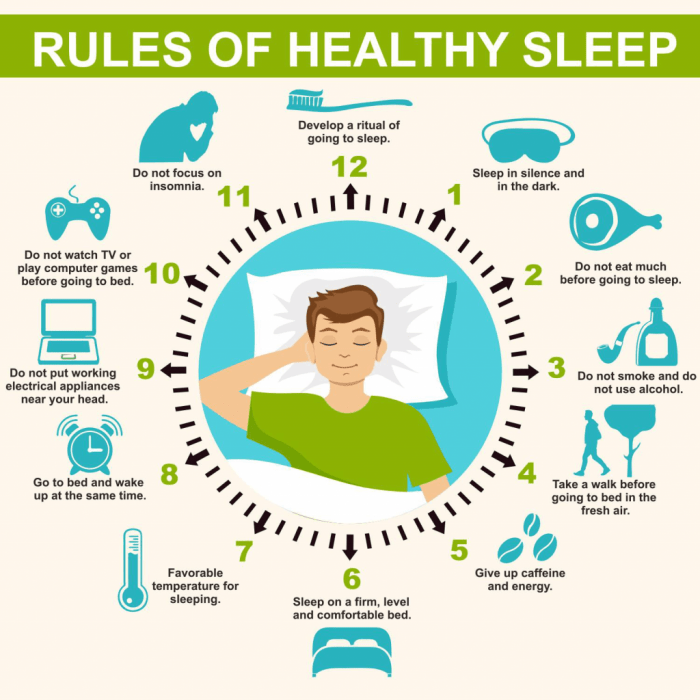
Creating a consistent sleep routine is essential for improving your mental health. By establishing regular sleep habits, you can help regulate your body’s natural sleep-wake cycle, known as the circadian rhythm. This will make it easier to fall asleep and wake up feeling refreshed.
Designing a Personalized Sleep Schedule
A personalized sleep schedule aligns with your body’s natural sleep-wake cycle, making it easier to fall asleep and wake up at the same time each day. This helps to regulate your circadian rhythm and promote better sleep.
- Identify Your Sleep Needs:Most adults need around 7-9 hours of sleep per night. However, individual sleep needs can vary. Pay attention to how you feel during the day to determine if you are getting enough sleep. If you feel tired, sluggish, or irritable during the day, you may need more sleep.
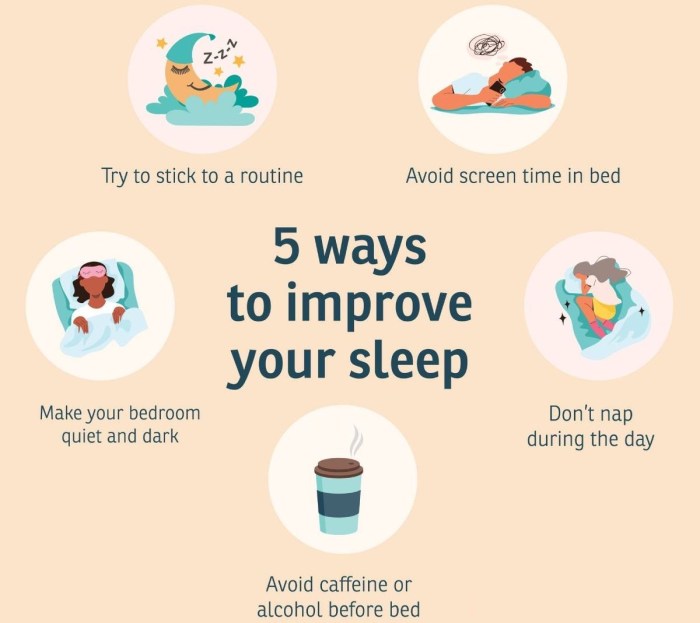
- Create a Regular Sleep-Wake Cycle:Go to bed and wake up at the same time each day, even on weekends, to maintain a consistent sleep schedule. This will help to regulate your body’s natural sleep-wake cycle.
- Avoid Late-Night Meals:Eating a heavy meal before bed can interfere with sleep. Try to finish dinner at least two hours before bedtime. If you need a snack before bed, choose something light and healthy, such as a piece of fruit or a handful of nuts.
- Limit Caffeine and Alcohol:Caffeine and alcohol can interfere with sleep. Avoid caffeine and alcohol for several hours before bedtime.
Creating a Relaxing Bedtime Routine
A relaxing bedtime routine signals your body that it’s time to sleep. This can help you wind down and prepare for a good night’s rest.
- Take a Warm Bath or Shower:A warm bath or shower can help to relax your muscles and promote sleepiness. Try adding a few drops of lavender essential oil to your bath for an extra relaxing effect.
- Read a Book or Listen to Calming Music:Engaging in a relaxing activity, such as reading a book or listening to calming music, can help to quiet your mind and prepare you for sleep.
- Avoid Screen Time:The blue light emitted from electronic devices can interfere with melatonin production, a hormone that regulates sleep. Avoid using electronic devices for at least an hour before bedtime.
- Practice Relaxation Techniques:Deep breathing exercises, meditation, or yoga can help to calm your mind and body, making it easier to fall asleep.
Optimizing Your Sleep Environment
Your sleep environment plays a crucial role in the quality of your sleep. A comfortable and conducive sleep environment can promote restful sleep.
- Darkness:Darkness is essential for melatonin production. Make sure your bedroom is dark enough by using blackout curtains or an eye mask.
- Temperature:The ideal temperature for sleep is around 65 degrees Fahrenheit. If your bedroom is too hot or too cold, it can interfere with sleep. Adjust your thermostat or use a fan or heater to maintain a comfortable temperature.
- Noise:Noise can be a major distraction during sleep. Use earplugs, a white noise machine, or a fan to block out noise.
- Comfort:Your bed should be comfortable and supportive. Use a comfortable mattress, pillows, and bedding. Consider using a weighted blanket if you find it helpful for relaxation and sleep.
Improving Sleep Hygiene
Improving your sleep hygiene is about creating a conducive environment and habits that promote better sleep. It’s about identifying and addressing common sleep disruptors, establishing a consistent sleep schedule, and optimizing your sleep environment.
Identifying and Addressing Sleep Disruptors
Certain substances and activities can significantly interfere with your sleep quality. It’s important to identify and minimize these sleep disruptors to improve your sleep hygiene.
- Caffeine: Caffeine is a stimulant that can interfere with sleep, particularly if consumed late in the day. Try to limit caffeine intake in the afternoon and evening, and avoid it altogether a few hours before bedtime.
- Alcohol: While alcohol may initially make you feel drowsy, it can disrupt your sleep later in the night. Alcohol can interfere with REM sleep, the stage of sleep crucial for memory consolidation and emotional regulation.
- Screen Time: The blue light emitted from electronic devices like smartphones, tablets, and computers can suppress melatonin production, a hormone that regulates your sleep-wake cycle. It’s best to avoid screen time for at least an hour before bed.
The Importance of Regular Exercise and a Balanced Diet
Regular physical activity and a balanced diet can significantly improve your sleep quality.
- Regular Exercise: Engaging in regular physical activity can help regulate your sleep-wake cycle and promote better sleep. However, avoid intense exercise close to bedtime, as it can make it harder to fall asleep.
- Balanced Diet: A balanced diet rich in fruits, vegetables, and whole grains can contribute to better sleep. Avoid heavy meals close to bedtime, as they can interfere with digestion and sleep.
Managing Stress and Anxiety Before Bed
Stress and anxiety can significantly disrupt sleep. It’s crucial to develop strategies for managing stress and anxiety before bed.
- Relaxation Techniques: Practice relaxation techniques like deep breathing, meditation, or progressive muscle relaxation to calm your mind and body before bed.
- Worry Time: Designate a specific time during the day to address your worries and concerns. This can help you avoid dwelling on them at bedtime.
- Warm Bath or Shower: A warm bath or shower can help relax your muscles and prepare your body for sleep.
Addressing Sleep Disorders
Sleep disorders are common, affecting millions of people worldwide. They can have a significant impact on mental health, contributing to anxiety, depression, and other mood disorders. If you suspect you might have a sleep disorder, it’s important to seek professional help.
Types of Sleep Disorders
Sleep disorders can be categorized into various types, each with unique symptoms and potential impacts on mental health.
- Insomnia: This is the most common sleep disorder, characterized by difficulty falling asleep, staying asleep, or experiencing non-restorative sleep. Insomnia can lead to daytime fatigue, irritability, and difficulty concentrating. It can also exacerbate existing mental health conditions or trigger new ones.
- Sleep Apnea: This disorder involves repeated pauses in breathing during sleep, leading to fragmented sleep and daytime sleepiness. Sleep apnea can increase the risk of cardiovascular problems and contribute to anxiety and depression. It’s important to note that sleep apnea is a serious condition that requires medical attention.
- Restless Legs Syndrome (RLS): This disorder causes an irresistible urge to move the legs, often accompanied by unpleasant sensations. RLS can disrupt sleep and lead to daytime fatigue, anxiety, and depression. It’s often associated with iron deficiency and can be exacerbated by stress and caffeine consumption.
- Narcolepsy: This rare disorder is characterized by excessive daytime sleepiness, sudden attacks of sleep, and cataplexy (sudden muscle weakness). Narcolepsy can significantly impact daily life and can be associated with mood disorders and anxiety.
Treatments for Sleep Disorders
Several treatment options are available for sleep disorders, depending on the underlying cause and severity.
- Cognitive Behavioral Therapy for Insomnia (CBT-I): This type of therapy focuses on identifying and changing negative thoughts and behaviors that contribute to insomnia. It teaches relaxation techniques, sleep hygiene practices, and strategies for managing stress and anxiety. CBT-I has been proven effective in improving sleep quality and reducing symptoms of insomnia.
- Medication: Depending on the type of sleep disorder, medications may be prescribed to help improve sleep quality. These medications can include sleep aids, antidepressants, or stimulants. It’s crucial to consult a doctor to determine the appropriate medication and dosage.
- Lifestyle Changes: Making healthy lifestyle changes can significantly improve sleep quality. This includes maintaining a regular sleep schedule, creating a relaxing bedtime routine, avoiding caffeine and alcohol before bed, and engaging in regular physical activity.
Seeking Professional Help
If you suspect you might have a sleep disorder, it’s essential to consult a healthcare professional. A doctor or sleep specialist can conduct a thorough evaluation, diagnose the underlying cause, and recommend appropriate treatment options.
- Primary Care Physician: Your primary care physician can assess your symptoms and refer you to a sleep specialist if necessary.
- Sleep Specialist: A sleep specialist is a healthcare professional who specializes in the diagnosis and treatment of sleep disorders. They can perform sleep studies to identify the underlying cause of your sleep problems.
- Mental Health Professional: If your sleep disorder is related to anxiety or depression, a mental health professional can provide therapy and support.
Mental Health and Holistic Wellness
Mental health is intrinsically linked to physical well-being, forming a complex and interconnected system that impacts overall health and happiness. A holistic approach to mental health recognizes that addressing the mind alone is insufficient; it necessitates a comprehensive understanding of the body and its interconnected systems.
The Interplay of Mind and Body
A healthy mind thrives within a healthy body. Physical fitness, healthy eating, and preventive care play crucial roles in maintaining overall well-being and fostering mental resilience. Engaging in regular physical activity releases endorphins, which have mood-boosting effects and can reduce stress and anxiety.
A balanced diet rich in essential nutrients provides the body with the necessary building blocks for optimal brain function and mental clarity. Preventive care, including regular checkups and screenings, helps identify and address potential health issues early on, preventing them from escalating and negatively impacting mental health.
The Role of Sleep in Holistic Wellness
Improving sleep habits is a cornerstone of holistic wellness, as it directly impacts both mental and physical health. Adequate sleep allows the body and mind to rest and rejuvenate, promoting emotional regulation, cognitive function, and physical recovery. Sleep deprivation, on the other hand, can exacerbate existing mental health conditions and increase the risk of developing new ones.
“Sleep is the single most effective thing we can do to reset our brain and body each day.”
Matthew Walker, Author of “Why We Sleep”
By prioritizing sleep, individuals can experience a ripple effect of benefits, including improved mood, reduced stress, enhanced cognitive performance, and increased energy levels. These positive changes contribute to a more balanced and fulfilling life, supporting a holistic approach to mental health and well-being.
The Benefits of Sleep for Physical Health: How To Improve Mental Health Through Better Sleep Habits
Getting enough sleep is not just important for mental well-being, but also for physical health. During sleep, our bodies work hard to repair and restore themselves, ensuring we wake up feeling refreshed and ready to take on the day.
Sleep and Physical Repair
Sleep plays a crucial role in the repair and restoration of our bodies. During sleep, our bodies produce growth hormone, which is essential for muscle growth and repair, as well as cell regeneration. Sleep also helps to regulate our immune system, strengthening our ability to fight off infections and illnesses.
Sleep and Physical Fitness
Sleep is essential for maintaining physical fitness and athletic performance. During sleep, our bodies produce hormones that regulate energy levels and muscle recovery. Adequate sleep helps to improve reaction time, coordination, and overall athletic performance.
Sleep and Chronic Diseases, How to improve mental health through better sleep habits
Chronic sleep deprivation can have serious consequences for our physical health. Studies have shown a strong link between lack of sleep and an increased risk of developing chronic diseases such as heart disease, diabetes, and obesity. Insufficient sleep can lead to hormonal imbalances, increased inflammation, and a weakened immune system, all of which contribute to the development of these conditions.
Sleep and Immunity
Getting enough sleep is crucial for a healthy immune system. When you sleep, your body releases proteins called cytokines that help fight infection and inflammation. These proteins also help regulate your immune response, preventing it from becoming overactive and causing autoimmune disorders.
The Role of Sleep in Immune Function
Adequate sleep plays a vital role in maintaining a strong immune system. While you sleep, your body produces and releases essential immune cells and proteins that help fight off infections.
“Sleep is essential for the immune system to function properly. When you don’t get enough sleep, your body’s ability to fight off infections is weakened.”
National Institute of Health
Sleep Deprivation and Weakened Defenses
Chronic sleep deprivation weakens your immune system, making you more susceptible to illness. When you’re sleep-deprived, your body produces fewer infection-fighting antibodies and immune cells. This can lead to a higher risk of developing colds, flu, and other infections.
Optimizing Sleep to Boost Immunity
To strengthen your immune system, prioritize getting enough sleep. Aim for 7-9 hours of quality sleep each night. Here are some tips to optimize your sleep for better immunity:
- Establish a Regular Sleep Schedule:Go to bed and wake up around the same time each day, even on weekends. This helps regulate your body’s natural sleep-wake cycle.
- Create a Relaxing Bedtime Routine:Engage in calming activities like taking a warm bath, reading a book, or listening to soothing music before bed. Avoid screen time for at least an hour before sleep.
- Optimize Your Sleep Environment:Ensure your bedroom is dark, quiet, and cool. A comfortable mattress and pillows can also improve sleep quality.
- Limit Caffeine and Alcohol:Avoid caffeine and alcohol close to bedtime, as they can interfere with sleep.
- Regular Exercise:Regular physical activity can improve sleep quality, but avoid exercising too close to bedtime.
Final Summary
By prioritizing sleep, we invest in our mental and physical well-being, fostering a harmonious balance that allows us to navigate life’s challenges with greater resilience and clarity. As we cultivate healthy sleep habits, we unlock a path towards a more vibrant and fulfilling life, where both our minds and bodies thrive.
Quick FAQs
What are some common sleep disruptors?
Common sleep disruptors include caffeine, alcohol, nicotine, late-night screen time, irregular sleep schedules, and stress.
How can I create a relaxing bedtime routine?
A relaxing bedtime routine might include a warm bath, reading a book, listening to calming music, or practicing meditation or deep breathing exercises.
What are some signs of a sleep disorder?
Signs of a sleep disorder include difficulty falling asleep, frequent awakenings, daytime sleepiness, and restless sleep.
How long does it take to establish a new sleep routine?
It typically takes a few weeks to establish a new sleep routine. Consistency is key, so try to stick to your schedule as much as possible.


More Stories
Chronic Diseases Prevention Tips for Seniors & Aging Adults
Sleeps Role in Boosting Your Immune System
Improving Quality of Life for People with Chronic Diseases