Mental Wellness
Regular exercise is not only beneficial for physical health but also plays a crucial role in maintaining mental wellness. The state of our mental health can greatly impact our risk of injuries during exercise and overall well-being.
Impact of Mental Wellness on Physical Health, How to prevent injuries with regular exercise
Mental wellness can influence physical health in various ways. For example, high levels of stress and anxiety can lead to muscle tension, affecting flexibility and increasing the likelihood of strains or sprains during physical activity. Additionally, poor mental health may result in lack of focus or motivation, leading to improper form or technique that can result in injuries.
Incorporating Mental Wellness Practices
To prevent injuries and enhance overall well-being, it is important to incorporate mental wellness practices into a regular exercise routine. Techniques such as mindfulness meditation, deep breathing exercises, and visualization can help reduce stress, improve focus, and promote better mind-body connection. Prioritizing adequate rest and recovery, setting realistic goals, and seeking support from mental health professionals when needed are also essential components of maintaining mental wellness in conjunction with physical activity.
Physical Fitness
Regular exercise plays a crucial role in maintaining physical fitness, which in turn helps prevent injuries during physical activities. By improving flexibility, strength, balance, and coordination, individuals can minimize the risk of exercise-related injuries.
Improving Flexibility and Strength
- Include stretching exercises in your workout routine to improve flexibility and range of motion in your joints.
- Engage in strength training exercises to build muscle strength and support your joints during physical activities.
- Focus on both upper and lower body strength to maintain balance and stability while exercising.
- Gradually increase the intensity of your workouts to prevent sudden strains or injuries due to overexertion.
Role of Balance and Coordination
- Practice balance exercises such as standing on one leg or using stability balls to enhance your balance and coordination.
- Include exercises that challenge your coordination, such as agility drills or dance-based workouts, to improve your body’s ability to move efficiently.
- Strong balance and coordination can help prevent falls and missteps that often lead to exercise-related injuries.
- Focus on proper form and technique during exercises to ensure that your movements are controlled and minimize the risk of injury.
Healthy Eating
Eating a balanced diet plays a crucial role in preventing injuries and promoting overall physical health. Proper nutrition provides the body with essential nutrients needed for muscle recovery, energy production, and maintaining overall well-being.
Link Between Nutrition and Injury Prevention
Nutrition plays a significant role in injury prevention by supporting muscle recovery, reducing inflammation, and strengthening the immune system. A diet rich in vitamins, minerals, antioxidants, and lean proteins helps the body repair and rebuild tissues damaged during exercise, reducing the risk of injuries.
Foods for Muscle Recovery and Injury Prevention
- Lean proteins such as chicken, turkey, fish, tofu, and legumes provide essential amino acids for muscle repair and growth.
- Colorful fruits and vegetables rich in antioxidants like berries, spinach, kale, and sweet potatoes help reduce inflammation and promote tissue healing.
- Whole grains like quinoa, brown rice, and oats provide sustained energy for workouts and aid in muscle recovery.
- Healthy fats from sources like nuts, seeds, avocado, and olive oil support joint health and reduce inflammation.
Importance of Hydration
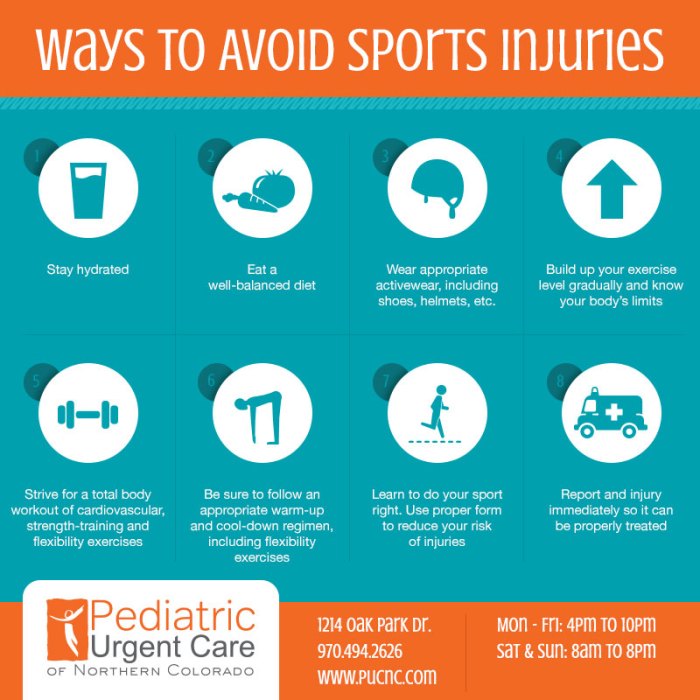
Proper hydration is crucial for maintaining physical health during exercise. Water regulates body temperature, transports nutrients, and removes waste products from the body. Dehydration can lead to muscle cramps, fatigue, and decreased performance, increasing the risk of injuries. It is essential to drink an adequate amount of water before, during, and after workouts to stay hydrated and support optimal physical function.
Preventive Care
How to prevent injuries with regular exercise – Preventive care plays a crucial role in avoiding injuries during workouts by taking proactive measures to protect the body from harm. By implementing injury prevention techniques and regular health check-ups, individuals can minimize the risk of exercise-related injuries.
Significance of Proper Warm-up and Cool-down Routines
Proper warm-up and cool-down routines are essential in injury prevention as they prepare the body for physical activity and aid in recovery post-workout. A thorough warm-up increases blood flow to the muscles, making them more flexible and reducing the likelihood of strains or tears during exercise. Similarly, a cool-down helps the body gradually return to its resting state, preventing muscle soreness and stiffness.
Role of Regular Health Check-ups
Regular health check-ups are vital in identifying potential risk factors for injuries before they escalate. Through screenings and assessments, healthcare professionals can pinpoint any underlying issues such as muscle imbalances, joint instability, or poor flexibility that may predispose individuals to injuries during workouts. By addressing these concerns early on, individuals can take preventive measures to avoid injury and maintain their overall well-being.
Balanced Diet
Maintaining a balanced diet is crucial for overall fitness and injury prevention. A diet rich in essential nutrients helps support muscle recovery, strengthens the immune system, and provides the energy needed for physical activity.
Nutrients Essential for Muscle Recovery and Injury Prevention
- Protein: Essential for muscle repair and growth, protein helps rebuild muscle fibers after exercise-induced damage. Good sources include lean meats, poultry, fish, eggs, dairy, legumes, and nuts.
- Omega-3 fatty acids: Known for their anti-inflammatory properties, omega-3s help reduce muscle soreness and inflammation, promoting faster recovery. Sources include fatty fish like salmon, chia seeds, and walnuts.
- Vitamin C: This antioxidant vitamin plays a key role in collagen synthesis, which is essential for maintaining healthy connective tissues and preventing injuries. Citrus fruits, strawberries, bell peppers, and broccoli are excellent sources of vitamin C.
- Calcium and Vitamin D: These nutrients are essential for bone health and strength, reducing the risk of fractures and stress injuries. Dairy products, leafy greens, and fortified foods are good sources of calcium, while sunlight exposure and fatty fish provide vitamin D.
Impact of Unhealthy Eating Habits on Exercise-Related Injuries
Unhealthy eating habits, such as consuming excessive amounts of processed foods, sugary snacks, and trans fats, can negatively impact exercise performance and increase the risk of injuries. A diet high in added sugars and unhealthy fats can lead to inflammation, muscle fatigue, poor recovery, and weakened immune function, making the body more susceptible to injuries during physical activity.
Regular Exercise
Regular exercise plays a crucial role in reducing the risk of injuries by strengthening muscles, improving flexibility, and enhancing overall physical fitness. It also helps in maintaining a healthy weight and reducing the chances of chronic conditions that can lead to injuries.
Benefits of Consistent Exercise
- Strengthens muscles and joints, reducing the risk of sprains and strains.
- Improves flexibility and range of motion, decreasing the likelihood of muscle tears.
- Enhances balance and coordination, preventing falls and related injuries.
- Promotes cardiovascular health, reducing the risk of heart-related problems during physical activities.
Tips for Gradually Increasing Workout Intensity
- Start with low to moderate intensity exercises and gradually increase the duration and intensity over time.
- Listen to your body and avoid pushing yourself too hard too quickly to prevent overuse injuries.
- Include a variety of exercises to work different muscle groups and prevent imbalances that can lead to injuries.
- Consult with a fitness professional to create a progressive workout plan tailored to your fitness level and goals.
Importance of Rest Days
Rest days are essential in a regular exercise routine to allow the body to recover and repair muscle tissues. Adequate rest helps in preventing overtraining, fatigue, and injuries caused by repetitive stress on muscles and joints. It is recommended to have at least one to two rest days per week, depending on the intensity and duration of your workouts.
Mental Health: How To Prevent Injuries With Regular Exercise
Physical well-being and mental health are closely interconnected when it comes to preventing injuries during exercise. A positive mental state can enhance physical performance and reduce the risk of accidents or overexertion. Stress, anxiety, and lack of focus can lead to poor decision-making, which may result in injuries.
Strategies for Managing Stress and Anxiety
It is essential to implement strategies to manage stress and anxiety effectively to prevent exercise-related injuries. Some techniques include:
- Practicing deep breathing exercises to calm the mind and body.
- Engaging in mindfulness meditation to stay present and focused during workouts.
- Setting realistic goals and not pushing oneself too hard, leading to unnecessary stress.
- Seeking support from a therapist or counselor if stress and anxiety become overwhelming.
Role of Mindfulness Practices
Mindfulness practices play a crucial role in enhancing mental health during workouts by promoting awareness and concentration. By practicing mindfulness, individuals can:
- Stay fully engaged in their exercises and movements, reducing the risk of distraction and potential injuries.
- Listen to their bodies’ signals and avoid pushing themselves beyond their limits, preventing overuse injuries.
- Improve their overall mental well-being and reduce the negative impact of stress on physical performance.
Holistic Wellness
Holistic wellness focuses on the overall well-being of an individual, encompassing the mind, body, and spirit. By adopting a holistic approach to wellness, individuals can prevent injuries during exercise by promoting balance and harmony within themselves.
Examples of Holistic Practices
- Yoga: Yoga combines physical postures, breathing exercises, and meditation to improve flexibility, strength, and mental clarity. It helps individuals connect with their bodies, reduce stress, and enhance body awareness, ultimately reducing the risk of injuries during exercise.
- Meditation: Mindfulness meditation can help individuals stay present in the moment, reduce anxiety, and improve focus. By cultivating a calm and focused mind, individuals can make better decisions during exercise, leading to a decreased likelihood of accidents or injuries.
Impact of Emotional Well-Being on Physical Health
Emotional well-being plays a crucial role in physical health and injury prevention. When individuals are stressed, anxious, or emotionally imbalanced, their physical body can experience tension, stiffness, and reduced coordination. This can increase the risk of injuries during exercise as the body is not in an optimal state for movement.
By addressing emotional well-being through practices like meditation, yoga, or therapy, individuals can enhance their mental resilience, reduce stress levels, and improve their overall emotional health. This, in turn, can positively impact physical health, leading to better coordination, flexibility, and focus during exercise, ultimately reducing the risk of injuries.
Chronic Diseases
Chronic diseases can significantly impact the risk of injuries during exercise. Conditions such as arthritis, osteoporosis, diabetes, and heart disease can affect mobility, bone density, blood sugar levels, and cardiovascular health, respectively. These factors can increase the likelihood of strains, fractures, blood sugar fluctuations, and heart-related issues during physical activity.
Tips for Individuals with Chronic Conditions
- Avoid high-impact exercises that may strain joints or bones, opting for low-impact activities like swimming or cycling.
- Monitor blood sugar levels closely before, during, and after exercise for individuals with diabetes, adjusting food intake or medication as needed.
- Consult with healthcare professionals or physical therapists to develop personalized exercise routines that cater to specific chronic conditions and limitations.
- Gradually increase the intensity and duration of workouts to build strength and endurance without causing excessive strain on the body.
It is crucial for individuals with chronic diseases to listen to their bodies, pacing themselves during exercise and stopping if they experience pain, dizziness, shortness of breath, or other concerning symptoms.
Immunity Boosters
Having a strong immune system plays a crucial role in preventing injuries and promoting faster recovery. When the immune system is functioning well, it can help protect the body from infections and reduce inflammation, which are key factors in injury prevention.
Foods and Supplements for Immunity
There are several foods and supplements that can help boost immunity and support injury prevention:
- Eating a variety of fruits and vegetables rich in vitamins and minerals, such as citrus fruits, berries, leafy greens, and bell peppers, can provide essential nutrients for a healthy immune system.
- Consuming probiotic-rich foods like yogurt, kefir, and sauerkraut can promote gut health, which is closely linked to immune function.
- Supplements like vitamin C, vitamin D, zinc, and echinacea are known to support immune health and may help reduce the risk of infections that could lead to injuries.
Regular Exercise and Immunity
Engaging in regular exercise can also play a significant role in boosting immunity and preventing injuries. Physical activity helps improve circulation, reduce inflammation, and promote the production of antibodies and white blood cells that are essential for fighting off infections.
Q&A
How does mental wellness impact injury prevention?
Mental wellness plays a crucial role in injury prevention by helping individuals stay focused, motivated, and aware of their body’s signals during exercise.
Why is balance and coordination important for preventing injuries?
Improving balance and coordination can enhance stability and reduce the risk of falls or other accidents during physical activity, thus preventing injuries.
How does hydration affect injury prevention?
Staying hydrated is essential for maintaining physical health during exercise as it helps regulate body temperature, lubricate joints, and prevent muscle cramps or fatigue.


More Stories
Regular exercise routines for flexibility and mobility: Improve your health and wellness