Mental Wellness
Maintaining mental wellness is crucial in effectively managing stress. It involves taking care of your emotional and psychological well-being to build resilience against stressors and improve overall quality of life.
Examples of Mental Wellness Activities
- Practicing deep breathing exercises to calm the mind and body.
- Engaging in regular physical activity to release endorphins and reduce stress levels.
- Participating in creative outlets such as painting, writing, or playing music to express emotions.
- Connecting with loved ones and building a strong support system to share feelings and receive encouragement.
Mindfulness and Meditation
Mindfulness and meditation are powerful tools for enhancing mental wellness and managing stress effectively. By practicing mindfulness, individuals can focus on the present moment, acknowledge their thoughts and feelings without judgment, and cultivate a sense of calmness. Meditation, on the other hand, involves training the mind to achieve a state of deep relaxation and heightened awareness. Both practices help reduce anxiety, improve concentration, and promote emotional balance.
Physical Fitness
Regular physical activity plays a crucial role in managing stress and promoting overall well-being. Engaging in exercises not only helps in reducing stress levels but also improves mood, boosts self-esteem, and enhances cognitive function.
Types of Exercises for Stress Reduction
- Aerobic Exercises: Activities like running, swimming, or cycling help in releasing endorphins, the body’s natural stress relievers.
- Yoga and Pilates: These mind-body exercises focus on breathing techniques, stretching, and mindfulness, which can reduce stress and anxiety.
- Strength Training: Lifting weights or using resistance bands can help in releasing tension and improving overall physical health, which in turn reduces stress.
Connection between Physical Activity and Stress Reduction
Regular physical activity has been shown to reduce levels of cortisol, the stress hormone, in the body. Exercise also helps in improving sleep quality, which is often disrupted by stress. Additionally, physical fitness enhances the body’s ability to cope with stress by promoting a sense of control and accomplishment.
Healthy Eating
Eating a balanced diet plays a crucial role in managing stress as it provides the necessary nutrients for our body to function properly. A diet rich in vitamins, minerals, and antioxidants can help reduce stress levels and improve overall mental well-being.
Foods to Reduce Stress Levels
- Dark chocolate: Contains antioxidants that help reduce stress hormones in the body.
- Fatty fish (such as salmon, mackerel, and sardines): Rich in omega-3 fatty acids that have been linked to lower levels of anxiety and stress.
- Spinach: High in magnesium, which can help regulate cortisol levels and promote a sense of calm.
- Blueberries: Packed with antioxidants that combat stress and improve cognitive function.
Impact of Nutrition on Mental Health
Nutrition plays a significant role in mental health and stress management. A diet high in processed foods, sugar, and unhealthy fats can lead to increased inflammation in the body, which has been linked to higher stress levels and mental health disorders. On the other hand, a diet rich in whole foods, fruits, vegetables, and lean proteins can provide the necessary nutrients to support brain function and mood regulation, ultimately reducing stress and promoting overall well-being.
Preventive Care
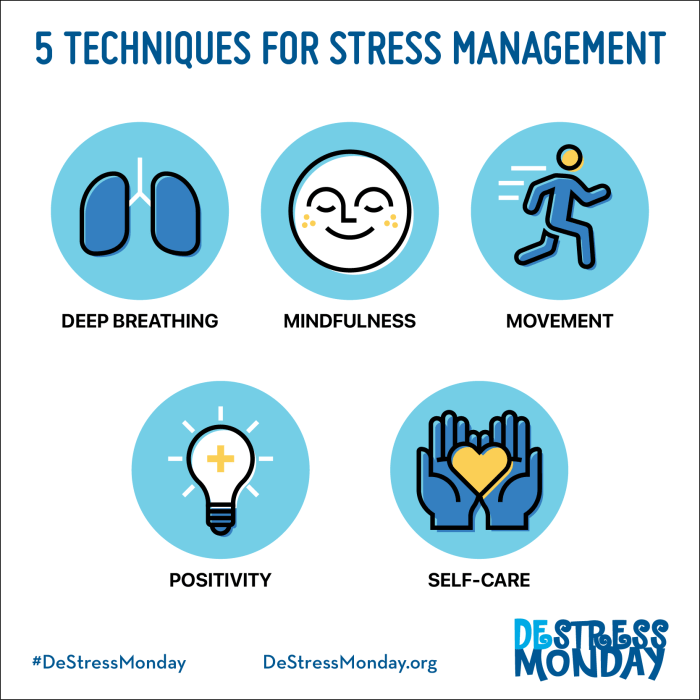
How to manage stress as part of preventive care – Preventive care in relation to stress management involves taking proactive measures to minimize the risk of stress-related issues before they escalate. By adopting preventive care strategies, individuals can maintain their mental and physical well-being.
Preventive Care Strategies
- Engage in regular physical activity to reduce stress levels and boost overall mood.
- Practice mindfulness and relaxation techniques such as meditation or deep breathing exercises to calm the mind.
- Establish a healthy work-life balance to prevent burnout and excessive stress from work.
- Connect with a support system of friends and family to share concerns and seek advice during challenging times.
- Ensure adequate sleep and rest to rejuvenate the body and mind, promoting resilience against stress.
Importance of Early Intervention
Early intervention in stress management is crucial for maintaining overall well-being. By addressing stress at its early stages, individuals can prevent the development of chronic stress-related conditions such as anxiety disorders or depression. Seeking help from mental health professionals or counselors can provide valuable support and guidance in managing stress effectively.
Balanced Diet
Maintaining a balanced diet is crucial for managing stress levels effectively. A diet rich in essential nutrients can help regulate hormones, boost mood, and improve overall well-being. Here, we will explore the components of a balanced diet that support stress management, provide examples of meal plans for stress relief, and discuss how nutritional balance can impact stress levels.
Components of a Balanced Diet for Stress Management
- Protein: Include lean sources of protein such as poultry, fish, beans, and nuts to support neurotransmitter function and stabilize blood sugar levels.
- Whole Grains: Opt for whole grains like brown rice, quinoa, and whole wheat bread to provide sustained energy and promote serotonin production.
- Fruits and Vegetables: Incorporate a variety of colorful fruits and vegetables to ensure a good intake of vitamins, minerals, and antioxidants that combat oxidative stress.
- Healthy Fats: Include sources of healthy fats like avocados, olive oil, and nuts to support brain health and reduce inflammation.
- Hydration: Drink an adequate amount of water throughout the day to stay hydrated and support optimal brain function.
Examples of Meal Plans for Stress Relief
| Meal | Components |
|---|---|
| Breakfast | Oatmeal with berries and almonds |
| Lunch | Grilled chicken salad with mixed greens and avocado |
| Dinner | Salmon with quinoa and roasted vegetables |
Impact of Nutritional Balance on Stress Levels
A well-balanced diet can positively impact stress levels by providing the body with the necessary nutrients to cope with daily challenges. Nutrient deficiencies can lead to increased susceptibility to stress, anxiety, and mood disorders.
Regular Exercise: How To Manage Stress As Part Of Preventive Care
Regular exercise plays a crucial role in managing stress by releasing endorphins, which are known as “feel-good” hormones. These endorphins act as natural painkillers and help improve mood, reduce stress, and enhance overall well-being. In addition to the physical benefits, exercise also provides a mental boost by promoting better sleep, increasing self-confidence, and reducing symptoms of anxiety and depression.
Effective Exercise Routines for Stress Reduction
- Cardiovascular Exercises: Activities like running, cycling, or swimming can help reduce stress by increasing heart rate and boosting circulation, leading to a release of endorphins.
- Yoga and Pilates: These mind-body exercises focus on breathing, mindfulness, and gentle movements to reduce stress, improve flexibility, and promote relaxation.
- Strength Training: Lifting weights or using resistance bands can help alleviate stress by increasing energy levels, improving focus, and building confidence.
Relationship Between Physical Activity and Mental Well-being
Regular physical activity has been linked to improved mental health outcomes, including reduced symptoms of anxiety and depression. Exercise helps regulate neurotransmitters like serotonin and dopamine, which play a key role in mood regulation. By incorporating exercise into your routine, you can experience enhanced cognitive function, better stress management, and an overall sense of well-being.
Mental Health
When it comes to managing stress, mental health plays a crucial role in overall well-being. It encompasses emotional, psychological, and social aspects that can significantly impact how we cope with stressors in our lives.
Importance of Mental Health in Stress Management
Improving mental health is essential for effectively combating stress. Here are some strategies to enhance mental well-being:
- Practice mindfulness and meditation to stay present and reduce negative thought patterns.
- Engage in regular physical exercise to boost mood and reduce anxiety.
- Seek support from friends, family, or a therapist to talk through feelings and concerns.
- Establish a healthy work-life balance to prevent burnout and overwhelm.
- Engage in activities you enjoy to promote feelings of pleasure and relaxation.
Link Between Mental Health Disorders and Stress
Mental health disorders such as anxiety, depression, and PTSD can be closely linked to stress. Chronic stress can exacerbate these conditions, leading to a vicious cycle of poor mental health and increased stress levels. It is crucial to address mental health issues to prevent them from escalating and impacting overall well-being.
Holistic Wellness
Holistic wellness is a comprehensive approach to overall health and well-being that considers the mind, body, and spirit interconnected and in balance. When it comes to stress management, holistic wellness focuses on addressing the root causes of stress rather than just the symptoms.
Holistic Approaches to Stress Relief, How to manage stress as part of preventive care
Holistic wellness offers various approaches to stress relief that go beyond traditional methods. Some of these include:
- Acupuncture: This ancient Chinese practice involves the insertion of thin needles into specific points on the body to help alleviate stress, pain, and promote overall well-being.
- Aromatherapy: The use of essential oils from plants to promote relaxation, reduce stress, and improve mood through inhalation or topical application.
Promoting Overall Well-Being with Holistic Wellness
Holistic wellness practices not only help in reducing stress but also promote overall well-being by taking a comprehensive approach to health. Some ways in which holistic wellness can benefit overall well-being include:
- Addressing imbalances in the body that may be contributing to stress and other health issues.
- Encouraging mindfulness and self-awareness to better cope with stressors and challenges.
- Promoting relaxation and reducing tension through holistic therapies and practices.
Chronic Diseases
Stress has been identified as a significant factor contributing to the development and exacerbation of chronic diseases. The relationship between stress and chronic diseases is complex, with stress triggering biological responses that can lead to inflammation, hormonal imbalances, and weakened immune function. These physiological changes can increase the risk of developing conditions such as heart disease, diabetes, obesity, and autoimmune disorders.
Preventive Measures to Reduce the Risk of Chronic Diseases Caused by Stress
It is crucial to implement strategies to reduce stress levels and minimize its impact on overall health. Here are some preventive measures to lower the risk of chronic diseases caused by stress:
- Avoiding or managing stressful situations through relaxation techniques such as deep breathing, meditation, or yoga.
- Engaging in regular physical activity to release endorphins and reduce stress hormones.
- Ensuring an adequate amount of sleep to support overall well-being and stress management.
- Seeking social support from friends, family, or mental health professionals to cope with stress effectively.
Positive Impact of Managing Stress on Chronic Disease Management
By effectively managing stress, individuals can positively impact the management of chronic diseases. Stress reduction techniques can help improve overall health outcomes and quality of life for individuals living with chronic conditions. Managing stress can lead to better control of symptoms, reduced inflammation, improved immune function, and enhanced overall well-being.
Immunity Boosters
Stress can have a significant impact on our immune system, making us more susceptible to illnesses and infections. It weakens the body’s defense mechanism, making it harder to fight off pathogens and maintain overall health. Immunity boosters play a crucial role in combating the negative effects of stress on our immune system.
Examples of Immunity Boosters
- Eating a diet rich in fruits and vegetables, which provide essential vitamins and minerals that support immune function.
- Taking supplements like vitamin C, vitamin D, and zinc, which are known to enhance the immune system.
- Incorporating probiotics into your diet to promote gut health, as a healthy gut is linked to a stronger immune system.
- Engaging in regular exercise to improve circulation and boost the immune response.
- Practicing stress-reducing activities such as meditation, yoga, or deep breathing exercises to lower cortisol levels and support immune function.
Benefits of a Strong Immune System
A strong immune system not only helps prevent infections and illnesses but also plays a crucial role in stress management. When our body is equipped to fight off pathogens effectively, it can better handle the physiological effects of stress. By maintaining a healthy immune system through proper nutrition, supplements, exercise, and stress-reducing activities, we can enhance our ability to manage stress and stay healthy overall.
FAQ Corner
How can I incorporate mindfulness into my daily routine?
Try setting aside a few minutes each day for mindfulness practices such as deep breathing, meditation, or yoga to help reduce stress levels.
What are some preventive care strategies to manage stress?
Engage in regular exercise, maintain a balanced diet, prioritize sleep, and practice relaxation techniques to prevent stress-related issues.
How does nutrition impact mental health and stress?
A balanced diet rich in nutrients like omega-3 fatty acids, vitamins, and minerals can positively influence mental health and reduce stress levels.
Is there a connection between chronic diseases and stress?
Chronic stress can exacerbate existing health conditions and increase the risk of developing chronic diseases, highlighting the importance of stress management.


More Stories
Benefits of holistic wellness for overall health: Maximizing well-being through mental, physical, and dietary balance
Benefits of yoga for mental wellness: Enhancing well-being through holistic practice