Healthy Eating Recipes for Weight Loss
Eating healthy is essential for weight loss. Incorporating nutritious ingredients into your meals can make a significant difference in reaching your goals. Here are some key points to consider when preparing healthy recipes for weight loss:
List of Low-Calorie Ingredients
Healthy eating recipes for weight loss – When creating healthy recipes for weight loss, it’s important to include ingredients that are low in calories but high in nutrients. Some common low-calorie ingredients used in healthy recipes include:
- Leafy greens like spinach, kale, and arugula
- Lean proteins such as chicken breast, tofu, and fish
- Whole grains like quinoa, brown rice, and oats
- Fruits and vegetables for added vitamins and minerals
- Healthy fats like avocado, nuts, and olive oil in moderation
Recipes for Breakfast, Lunch, and Dinner
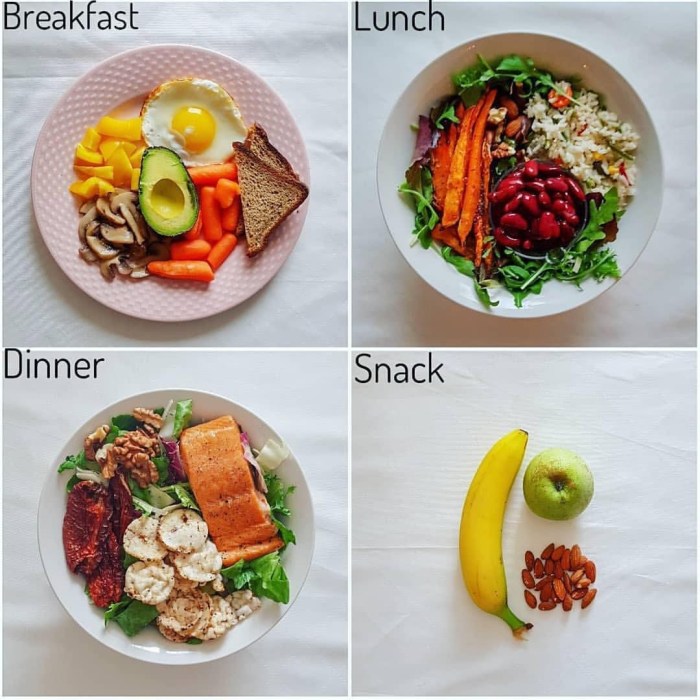
Here are examples of healthy recipes for weight loss that you can incorporate into your daily meals:
- Breakfast: Quinoa breakfast bowl with fresh berries and almonds
- Lunch: Grilled chicken salad with mixed greens, cherry tomatoes, and balsamic vinaigrette
- Dinner: Baked salmon with roasted vegetables and a side of quinoa
Importance of Portion Control
One key aspect of weight loss recipes is portion control. Paying attention to serving sizes can help you manage your calorie intake and avoid overeating. Using measuring cups, food scales, or visual cues can assist in portion control and ensure you stay on track with your weight loss goals.
Benefits of Fiber-Rich Foods
Incorporating fiber-rich foods into your weight loss meals can aid in digestion, keep you feeling fuller for longer, and regulate blood sugar levels. Foods high in fiber, such as fruits, vegetables, whole grains, and legumes, can promote satiety and help you maintain a healthy weight.
Mental Wellness
Maintaining a healthy diet goes beyond just physical health; it also plays a crucial role in supporting mental well-being. The food we consume can have a direct impact on our mood, energy levels, and overall mental health. By choosing nutrient-dense foods and following a balanced diet, we can enhance our mental wellness and improve our quality of life.
Nutrition and Mental Health
Nutrition and mental health are closely interconnected. Certain nutrients, such as omega-3 fatty acids, vitamins, and minerals, play a key role in brain function and can help regulate mood. Incorporating these nutrients into our diet can support cognitive function, reduce stress, and promote mental clarity.
- Include foods rich in omega-3 fatty acids, such as salmon, chia seeds, and walnuts, to support brain health and reduce inflammation.
- Opt for complex carbohydrates like whole grains, fruits, and vegetables, which provide a steady source of energy and help stabilize blood sugar levels, preventing mood swings.
- Consume foods high in antioxidants, such as berries, dark leafy greens, and nuts, to protect the brain from oxidative stress and improve cognitive function.
- Prioritize lean proteins like chicken, turkey, tofu, and legumes, which are essential for neurotransmitter function and mood regulation.
Meal Planning for Mental Wellness
Effective meal planning is essential for maintaining mental wellness. By preparing balanced meals in advance, we can ensure that our bodies receive the nutrients they need to function optimally and support our mental health.
- Plan meals that include a variety of nutrient-dense foods to ensure you are getting a wide range of vitamins and minerals.
- Include sources of healthy fats, such as avocados, olive oil, and nuts, to support brain health and improve mood.
- Aim for a balance of macronutrients in each meal, including protein, carbohydrates, and fats, to keep energy levels stable throughout the day.
- Stay hydrated by drinking plenty of water and herbal teas to support cognitive function and maintain focus.
Physical Fitness
Healthy eating plays a vital role in achieving weight loss goals, but it is equally important to incorporate physical fitness into your routine. The combination of nutritious meals and regular exercise can significantly enhance weight loss results.
Workout Routines
Here are some simple workout routines that can complement a healthy eating plan:
- Cardiovascular exercises such as running, cycling, or swimming can help burn calories and improve heart health.
- Strength training exercises like weight lifting or bodyweight exercises can build muscle mass and increase metabolism.
- Yoga or Pilates can improve flexibility, strength, and mental well-being.
Hydration for Physical Fitness
Hydration is crucial for supporting physical fitness and weight loss goals. Drinking an adequate amount of water before, during, and after exercise can help maintain energy levels, regulate body temperature, and aid in recovery.
Preventive Care
Maintaining a balanced diet plays a crucial role in preventing various health conditions. By consuming nutrient-rich foods and adopting healthy eating habits, individuals can significantly reduce their risk of developing chronic illnesses.
Nutrient-Rich Foods
Eating a variety of whole foods rich in essential nutrients is key to supporting overall well-being and weight management. Some examples of nutrient-rich foods include:
- Fruits and vegetables: Packed with vitamins, minerals, and antioxidants to boost the immune system.
- Whole grains: a good source of fiber and energy to keep you full and satisfied.
- Lean protein: Supports muscle growth and repair, while aiding in weight management.
- Healthy fats: Found in foods like avocados, nuts, and seeds, essential for brain health and hormone balance.
Strategies for Healthy Lifestyle
Maintaining a healthy lifestyle goes beyond just eating right. It involves incorporating regular physical activity, managing stress, getting enough sleep, and staying hydrated. By practicing these habits consistently, individuals can prevent future health issues and improve their overall quality of life.
Balanced Diet
When aiming to lose weight, a balanced diet plays a crucial role in achieving success. A balanced diet consists of consuming the right proportions of carbohydrates, proteins, fats, vitamins, and minerals to ensure overall health and well-being.
Importance of Incorporating a Variety of Food Groups
Incorporating a variety of food groups in a weight loss plan is essential for providing the body with the necessary nutrients it needs to function optimally. Each food group offers unique benefits and nutrients that contribute to overall health and weight management.
- Include a variety of fruits and vegetables in your meals to ensure you get a wide range of vitamins, minerals, and antioxidants.
- Incorporate lean proteins such as chicken, fish, tofu, and legumes to support muscle growth and repair.
- Choose whole grains like quinoa, brown rice, and oats for sustained energy and fiber to aid in digestion.
- Include healthy fats from sources like avocados, nuts, and olive oil to support heart health and promote satiety.
Tips for Creating Balanced Meals
Creating balanced meals that promote weight loss and overall health can be simplified by following these tips:
- Plan your meals in advance to ensure you include a variety of food groups in each meal.
- Opt for whole, minimally processed foods to maximize nutrient intake and minimize empty calories.
- Use smaller plates to control portion sizes and prevent overeating.
- Experiment with herbs and spices to add flavor to your meals without relying on high-calorie sauces or dressings.
Achieving Nutritional Balance While Reducing Calorie Intake
It is possible to achieve nutritional balance while reducing calorie intake by making smart food choices and being mindful of portion sizes. Here are some strategies to help you achieve this:
- Focus on nutrient-dense foods that are rich in vitamins and minerals but lower in calories.
- Monitor your portion sizes and avoid mindless eating by practicing mindful eating habits.
- Aim for a balanced plate with half filled with vegetables, a quarter with lean protein, and a quarter with whole grains or starchy vegetables.
- Stay hydrated by drinking plenty of water throughout the day to support digestion and overall health.
Regular Exercise
Regular exercise plays a crucial role in conjunction with healthy eating when it comes to weight loss. By combining a nutritious diet with physical activity, individuals can achieve their weight loss goals more effectively and sustainably.
Types of Exercises for Weight Loss
- Cardiovascular exercises such as running, cycling, or swimming help burn calories and improve heart health.
- Strength training exercises like weight lifting increase muscle mass, which in turn boosts metabolism.
- High-intensity interval training (HIIT) combines bursts of intense activity with short rest periods, maximizing calorie burn.
Benefits of Regular Exercise
- Boosts metabolism, aiding in weight loss.
- Improves cardiovascular health and overall fitness.
- Enhances mood and reduces stress levels.
- Increases energy levels for daily activities.
Tips for Creating a Sustainable Exercise Routine
- Set realistic and achievable fitness goals to stay motivated.
- Find activities you enjoy to make exercise feel less like a chore.
- Mix up your routine to prevent boredom and target different muscle groups.
- Schedule workouts at convenient times to ensure consistency.
- Listen to your body and rest when needed to avoid burnout or injuries.
Mental Health
Healthy eating habits play a crucial role in promoting mental health and cognitive function. The food we consume directly impacts our brain health and emotional well-being, highlighting the importance of a balanced diet for overall wellness.
Impact of Nutrition on Brain Health
Nutrition is closely linked to brain health, with certain nutrients playing key roles in cognitive function. Omega-3 fatty acids found in fish like salmon and walnuts are known to support brain health and improve mood. Antioxidants in fruits and vegetables can help protect the brain from oxidative stress, promoting mental clarity and focus.
Mindfulness Practices for Mental Well-being, Healthy eating recipes for weight loss
Incorporating mindfulness practices into daily routines can enhance the mental health benefits of a weight loss diet. Activities such as yoga, meditation, or deep breathing exercises can help reduce stress, improve concentration, and boost overall emotional well-being.
Foods for Brain Health and Mental Clarity
Certain foods are specifically beneficial for brain health and mental clarity. Blueberries, rich in antioxidants, can help improve memory and cognitive function. Dark leafy greens like spinach are high in nutrients that support brain health and mood regulation. Additionally, nuts and seeds provide essential fatty acids that are vital for optimal brain function.
Holistic Wellness: Healthy Eating Recipes For Weight Loss
Holistic wellness is a comprehensive approach to health that considers the whole person, including physical, mental, emotional, and spiritual well-being. When it comes to healthy eating and weight loss, holistic wellness focuses on achieving balance and harmony in all aspects of wellness to support overall health and vitality.
Holistic Approaches for Physical and Mental Well-being
Holistic approaches for weight loss and wellness involve addressing not only the physical aspects of health, such as nutrition and exercise, but also the mental and emotional aspects. Practices like mindfulness, meditation, and stress management techniques can help individuals maintain a positive mindset and reduce emotional eating triggers. By combining these holistic practices with healthy eating habits, individuals can achieve sustainable weight loss and overall well-being.
Holistic Practices Complementing Weight Loss Journey
– Mindful eating: Paying attention to hunger cues and eating slowly can help prevent overeating and promote weight loss.
– Yoga: Practicing yoga can improve flexibility, strength, and reduce stress, contributing to overall well-being.
– Acupuncture: This traditional Chinese medicine practice can help regulate appetite, reduce cravings, and support weight loss efforts.
– Herbal remedies: Certain herbs and supplements may aid in weight loss by boosting metabolism or reducing inflammation in the body.
Achieving Balance and Harmony in Wellness
To achieve balance and harmony in wellness, individuals can focus on integrating physical, mental, and emotional practices into their daily routine. This can include regular exercise, healthy eating habits, mindfulness practices, and self-care activities. By prioritizing self-care and holistic wellness, individuals can support their weight loss journey while nurturing their overall well-being.
Chronic Diseases
Healthy eating and weight loss play a crucial role in preventing and managing chronic diseases. By adopting a balanced diet and maintaining a healthy weight, individuals can reduce their risk of conditions such as diabetes, heart disease, and obesity. Nutrition has a direct impact on these ailments, making it essential to prioritize dietary choices that promote overall well-being.
Impact of Nutrition on Chronic Diseases
Nutrition plays a significant role in the development and progression of chronic diseases. For example, consuming a diet high in processed foods, saturated fats, and added sugars can increase the risk of developing diabetes and heart disease. On the other hand, a diet rich in fruits, vegetables, whole grains, and lean proteins can help prevent these conditions and improve overall health.
Dietary Approaches for Chronic Illnesses
Individuals with chronic illnesses can benefit from specific dietary approaches tailored to their condition. For instance, those with diabetes may follow a low-carbohydrate diet to manage blood sugar levels effectively. Similarly, individuals with heart disease can benefit from a diet low in sodium and saturated fats to reduce the risk of complications.
Incorporating Disease-Fighting Foods into Weight Loss Regimen
When embarking on a weight loss journey, it is essential to include disease-fighting foods in your diet to support overall health. Incorporating foods rich in antioxidants, vitamins, and minerals can help boost the immune system and reduce inflammation associated with chronic diseases. Adding colorful fruits and vegetables, whole grains, and lean proteins can enhance the nutritional value of your meals and contribute to long-term well-being.
Immunity Boosters
Having a healthy diet plays a crucial role in boosting the immune system, which is essential for overall health and well-being. By including specific nutrients in your meals, you can strengthen your immunity and support weight loss goals.
Antioxidants for Immune Health
A diet rich in antioxidants helps protect the body from harmful free radicals and can boost the immune system. Foods such as berries, dark leafy greens, and nuts are excellent sources of antioxidants.
Vitamins and Minerals for Immunity
Key vitamins like Vitamin C, Vitamin D, and Zinc are known to enhance immune function. Including foods like citrus fruits, fatty fish, and seeds in your diet can provide these essential nutrients for a stronger immune system.
Immune-Boosting Recipes
- Spinach and Berry Smoothie: Blend spinach, mixed berries, Greek yogurt, and a dash of honey for a nutrient-packed smoothie that supports immunity and aids in weight loss.
- Roasted Vegetable Quinoa Bowl: Roast a variety of colorful vegetables like bell peppers, sweet potatoes, and broccoli, then serve over cooked quinoa for a fiber-rich meal that boosts immunity and promotes a healthy weight.
- Citrus and Avocado Salad: Combine mixed greens, slices of citrus fruits, avocado, and a sprinkle of pumpkin seeds for a refreshing salad rich in immune-boosting nutrients and beneficial fats for weight management.
Essential FAQs
Can I customize these recipes to suit my taste preferences?
Yes, feel free to adjust the ingredients and seasonings to tailor the recipes to your liking while still keeping them healthy.
Are these recipes suitable for vegetarians or vegans?
Absolutely! Many of the recipes can be easily modified to accommodate a vegetarian or vegan diet.
How long does it take to see results from following these recipes?
Results vary for each individual, but with consistency and a balanced diet, you can start noticing positive changes in your weight and health in a few weeks.


More Stories