Mental Wellness
Incorporating whole grains into a balanced diet can have a positive impact on mental wellness. Whole grains are rich in nutrients like vitamins, minerals, and fiber that are essential for brain health and overall well-being.
Specific Whole Grains for Mental Health
- Quinoa: High in protein and fiber, quinoa can help stabilize blood sugar levels, leading to improved mood and cognitive function.
- Oats: Oats are a great source of beta-glucan, a type of fiber that can reduce inflammation in the brain and support cognitive function.
- Brown Rice: Brown rice is rich in manganese, which helps in the synthesis of neurotransmitters like serotonin and dopamine, promoting mental clarity and focus.
Relationship between Whole Grains and Cognitive Function
Benefits of whole grains in a balanced diet – Whole grains play a crucial role in supporting cognitive function due to their impact on blood sugar levels and brain health. The nutrients found in whole grains help reduce inflammation, provide energy for brain cells, and support neurotransmitter function, all of which are essential for optimal cognitive performance.
Physical Fitness
Whole grains play a crucial role in supporting physical fitness and enhancing exercise performance. They provide a steady source of energy, thanks to their complex carbohydrates, fiber, vitamins, and minerals.
Benefits of Whole Grains for Physical Endurance
- Whole grains are rich in complex carbohydrates, which are the body’s primary source of energy during exercise.
- They help maintain stable blood sugar levels, providing sustained energy for prolonged physical activity.
- The fiber content in whole grains aids in digestion and helps regulate blood sugar levels, preventing energy crashes.
- Whole grains also contain essential vitamins and minerals that support overall muscle function and endurance.
Contribution to Muscle Recovery and Strength Building
- Whole grains contain plant-based protein, which is essential for muscle repair and recovery after exercise.
- They help reduce inflammation in the body, promoting faster recovery and reducing muscle soreness.
- The nutrients in whole grains support the growth and repair of muscle tissues, aiding in strength building over time.
- Consuming whole grains post-workout can replenish glycogen stores and promote muscle recovery.
Healthy Eating
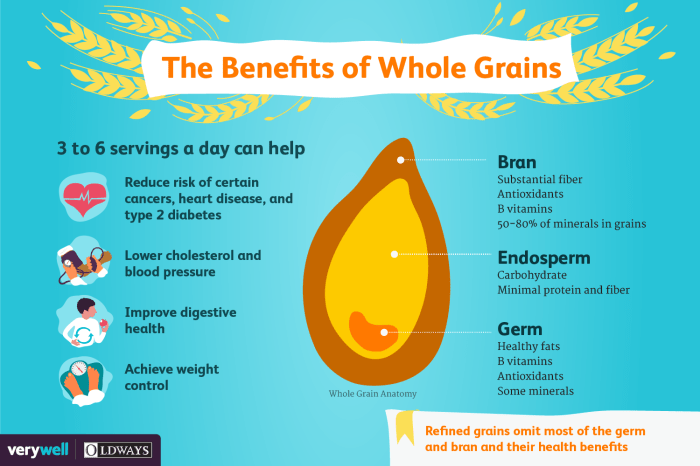
Whole grains play a crucial role in maintaining a well-rounded and nutritious diet. They are rich in essential nutrients like fiber, vitamins, and minerals, which are beneficial for overall health and well-being.
Incorporating Whole Grains
Here are some tips on how to easily incorporate whole grains into your daily meals for optimal health:
- Start your day with whole grain cereal or oatmeal for breakfast.
- Swap out refined grains like white rice and pasta with whole grain options like brown rice and whole wheat pasta.
- Add quinoa, barley, or farro to salads for a nutritious and filling meal.
- Choose whole grain bread for sandwiches and whole grain wraps for a healthy lunch option.
- Snack on air-popped popcorn or whole grain crackers instead of processed snacks.
Fiber Content and Digestive Health
Whole grains are an excellent source of dietary fiber, which is essential for digestive health. Fiber helps to regulate bowel movements, prevent constipation, and maintain a healthy gut microbiome.
Moreover, a diet high in fiber from whole grains can reduce the risk of developing various digestive issues like diverticulitis, hemorrhoids, and irritable bowel syndrome.
Preventive Care
Whole grains are a crucial component of a balanced diet and can play a significant role in preventive care. Incorporating whole grains into your meals can help reduce the risk of chronic diseases and maintain overall health and well-being.
Reducing the Risk of Heart Disease
- Eating whole grains, such as brown rice, whole wheat, oats, and quinoa, can help lower cholesterol levels and reduce the risk of heart disease.
- Whole grains are rich in fiber, antioxidants, and phytochemicals that support heart health and reduce inflammation in the body.
- Regular consumption of whole grains can also help regulate blood pressure and improve overall cardiovascular health.
Maintaining Overall Health
- Whole grains provide essential nutrients like vitamins, minerals, and fiber that are vital for maintaining overall health and well-being.
- Fiber in whole grains aids in digestion, helps prevent constipation, and supports a healthy gut microbiome.
- Including a variety of whole grains in your diet can help reduce the risk of obesity, type 2 diabetes, and certain types of cancer.
Balanced Diet
When it comes to maintaining a balanced diet, whole grains play a crucial role in providing essential nutrients for overall health and well-being.
Nutrient Breakdown and Benefits of Whole Grains, Benefits of whole grains in a balanced diet
Whole grains are rich in various nutrients that are beneficial for our bodies. Some of the key nutrients found in whole grains include:
- Fiber: Helps with digestion and keeps you feeling full longer.
- Protein: Essential for building and repairing tissues in the body.
- Vitamins: Provides essential vitamins like B vitamins, which are important for energy production.
- Minerals: Contains minerals such as iron, magnesium, and zinc, which are vital for various bodily functions.
Whole grains are a nutrient powerhouse that can contribute to a healthy and balanced diet.
Meal Plans Incorporating Whole Grains
Incorporating whole grains into your meals can be simple and delicious. Here are some examples of meal plans that showcase a balanced diet with whole grains:
| Meal | Whole Grain Component |
|---|---|
| Breakfast | Whole grain toast with avocado and scrambled eggs |
| Lunch | Quinoa salad with mixed veggies and grilled chicken |
| Dinner | Whole wheat pasta with marinara sauce and roasted vegetables |
Regular Exercise
Regular exercise is a crucial component of a healthy lifestyle, and incorporating whole grains into your diet can help support an active routine. Whole grains are rich in complex carbohydrates, which serve as a great source of sustained energy for physical activity.
Energy-Boosting Properties of Whole Grains
- Whole grains like brown rice, quinoa, and oats are excellent sources of carbohydrates that provide a steady release of energy during workouts.
- The fiber content in whole grains helps regulate blood sugar levels, preventing energy crashes during exercise.
- Avoiding refined grains and opting for whole grains can improve endurance and performance during physical activities.
Recipes and Snack Ideas
- Whole grain toast topped with almond butter and banana slices makes for a nutritious pre-workout snack.
- A bowl of oatmeal with berries and nuts is a great post-workout meal to replenish energy stores and aid in muscle recovery.
- Energy bars made with whole grain oats, nuts, and dried fruits are convenient snacks to fuel workouts on the go.
Mental Health
Whole grains play a crucial role in supporting mental health and well-being. Research has shown a strong connection between consuming whole grains and reducing the risk of mental health conditions such as depression and anxiety.
Impact on Mood and Emotional Well-being
Consuming whole grains can have a positive impact on mood and emotional well-being due to their rich nutrient content. Whole grains are a good source of complex carbohydrates, which help in the production of serotonin, also known as the “feel-good” hormone. This can help regulate mood and reduce feelings of anxiety and depression.
Research on Whole Grains and Mental Health
Studies have shown that individuals who include whole grains in their diet are less likely to experience symptoms of depression and anxiety. For example, a study published in the Journal of Nutrition found that a diet rich in whole grains was associated with a lower risk of developing depressive symptoms. Another study in the American Journal of Clinical Nutrition highlighted the positive impact of whole grains on mental health outcomes.
Holistic Wellness: Benefits Of Whole Grains In A Balanced Diet
Whole grains play a crucial role in promoting holistic wellness by contributing to overall well-being, encompassing mental, physical, and emotional health. Incorporating whole grains into daily nutrition can have transformative effects on one’s health and vitality.
Complete Nutrition
Whole grains are rich in essential nutrients such as fiber, vitamins, minerals, and antioxidants, providing a complete nutritional profile that supports optimal bodily functions and overall health.
Improved Digestive Health
The fiber content in whole grains promotes healthy digestion, regulates bowel movements, and supports a diverse gut microbiome, which is essential for overall well-being and immune function.
Sustained Energy Levels
Whole grains release energy slowly, preventing spikes and crashes in blood sugar levels, which helps in maintaining consistent energy levels throughout the day and supports mental clarity and focus.
Heart Health Benefits
Consuming whole grains has been linked to a reduced risk of heart disease, as they help in lowering cholesterol levels, regulating blood pressure, and improving overall cardiovascular health.
Emotional Well-being
The complex carbohydrates in whole grains can positively impact mood and emotional well-being by promoting the production of serotonin, the “feel-good” neurotransmitter that helps in managing stress and anxiety.
Chronic Diseases
Whole grains play a crucial role in the prevention and management of chronic diseases like diabetes and obesity. Their high fiber content helps regulate blood sugar levels and improve insulin sensitivity, reducing the risk of developing type 2 diabetes. Additionally, the complex carbohydrates in whole grains can aid in weight management by promoting a feeling of fullness and preventing overeating.
Improving Health Markers
Whole grains have been shown to improve various health markers for individuals with chronic conditions. Studies have indicated that incorporating whole grains into the diet can lead to lower cholesterol levels, reduced blood pressure, and improved heart health. These benefits are particularly important for individuals with conditions like cardiovascular disease or hypertension.
Reducing Inflammation and Boosting Immunity
The fiber, vitamins, minerals, and antioxidants found in whole grains have anti-inflammatory properties that can help reduce inflammation in the body. Chronic inflammation is linked to the development of various diseases, including heart disease, cancer, and autoimmune disorders. By consuming whole grains, individuals can support their immune system and protect against these inflammatory conditions.
Immunity Boosters
Whole grains play a crucial role in boosting immunity and supporting a strong immune system. These nutrient-rich foods provide essential vitamins and minerals that help the body defend against infections and diseases.
Examples of Whole Grains Rich in Immune-Supporting Nutrients
- Quinoa: A complete protein source that contains iron, zinc, and vitamin E, which are essential for immune function.
- Brown rice: Rich in selenium, an antioxidant that helps protect cells from damage and supports immune health.
- Oats: Contain beta-glucans, a type of fiber that enhances immune function and helps the body fight off pathogens.
The Importance of Whole Grains in a Well-Rounded Diet for Immune Health
Including whole grains in a balanced diet is vital for overall immune health. These foods provide a steady source of energy and essential nutrients that support the body’s defense mechanisms. By incorporating whole grains into meals, individuals can strengthen their immune system and reduce the risk of infections and illnesses.
FAQ Summary
How do whole grains impact mental wellness?
Whole grains can positively influence mental wellness by supporting cognitive function and mood regulation.
What role do whole grains play in preventing chronic diseases?
Whole grains can help prevent chronic diseases like heart disease and diabetes due to their nutrient content and impact on overall health.
How can whole grains be incorporated into daily meals?
Whole grains can be easily incorporated into meals through options like whole grain bread, brown rice, and quinoa.
Do whole grains contribute to muscle recovery?
Yes, whole grains aid in muscle recovery and strength building post-exercise.


More Stories
Best smoothies for boosting immunity: Delicious Recipes to Strengthen Your Health