Mental Wellness
Regular exercise plays a crucial role in promoting mental wellness. Physical activity has a significant impact on mental health and overall well-being. Let’s delve into how exercise contributes to mental wellness and stress reduction.
Impact of Physical Activity on Mental Health
Regular physical activity has been shown to have numerous benefits for mental health. Exercise helps in the release of endorphins, also known as “feel-good” hormones, which can improve mood and reduce feelings of anxiety and depression. Engaging in regular exercise can enhance cognitive function, boost self-esteem, and promote better sleep, all of which contribute to overall mental well-being.
Relationship Between Exercise and Stress Reduction
Exercise is a powerful tool for stress reduction. Physical activity helps to lower levels of cortisol, the stress hormone, in the body. It also provides a distraction from daily worries and allows individuals to focus on the present moment. Whether it’s going for a run, practicing yoga, or lifting weights, exercise can help alleviate stress and improve mental clarity. Incorporating regular exercise into one’s routine can lead to better stress management and a more positive outlook on life.
Physical Fitness
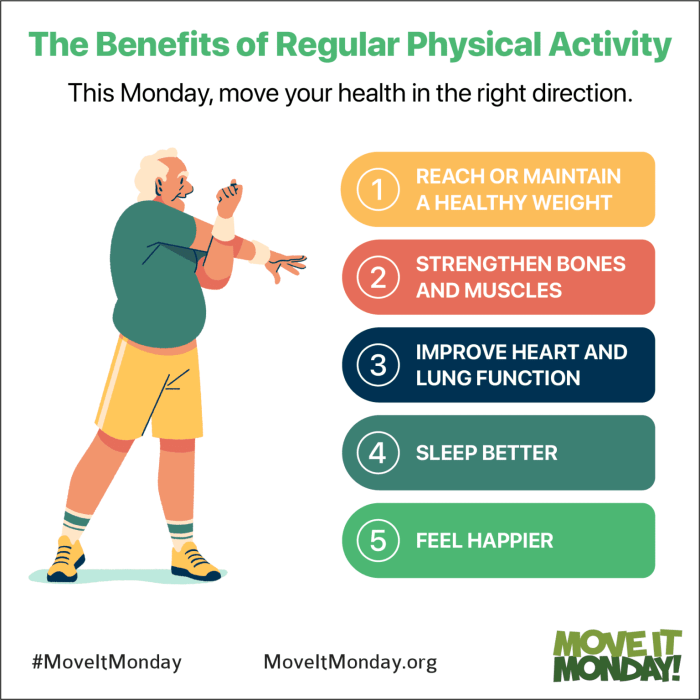
Regular exercise plays a crucial role in improving physical fitness, which encompasses various aspects of our overall health. By engaging in different types of exercises, individuals can enhance their strength, endurance, flexibility, and cardiovascular health.
Importance of Different Types of Exercises
- Cardiovascular Exercises: Activities like running, swimming, or cycling help improve heart health by increasing the heart rate and strengthening the cardiovascular system.
- Strength Training: Lifting weights or using resistance bands can build muscle mass, increase metabolism, and enhance overall strength.
- Flexibility Exercises: Stretching exercises such as yoga or Pilates improve flexibility, reduce the risk of injuries, and promote better posture.
Specific Exercises for Enhancing Physical Fitness
- Planks: This exercise targets multiple muscle groups, including the core, arms, and legs, helping to improve overall strength and stability.
- Interval Training: Alternating between high-intensity bursts of exercise and low-intensity recovery periods can boost cardiovascular fitness and burn more calories.
- Squats: Squats are effective for strengthening the lower body muscles, including the quadriceps, hamstrings, and glutes, which are essential for functional movements and preventing injuries.
Healthy Eating
Eating a nutritious diet plays a crucial role in conjunction with regular exercise for achieving optimal health. A balanced diet provides the necessary nutrients to fuel the body and support overall well-being. When combined with physical activity, healthy eating can enhance the benefits of exercise and promote a healthier lifestyle.
Nutritious Foods for Workout Routine
- Fruits and vegetables: Rich in vitamins, minerals, and antioxidants, these foods help replenish essential nutrients and support recovery after exercise.
- Lean proteins: Sources like chicken, fish, tofu, and legumes provide the necessary protein for muscle repair and growth.
- Whole grains: Foods like brown rice, quinoa, and oats offer sustained energy for workouts and aid in muscle recovery.
- Healthy fats: Avocados, nuts, seeds, and olive oil are essential for overall health and provide a source of energy during workouts.
- Hydration: Drinking an adequate amount of water is essential for maintaining proper hydration levels, especially during and after exercise.
Importance of Balanced Diet with Physical Activity
Benefits of regular exercise for overall health – A balanced diet in combination with physical activity ensures that the body receives the nutrients it needs to perform optimally. Proper nutrition supports muscle growth, recovery, and overall health, while physical activity helps maintain a healthy weight, improve cardiovascular health, and boost mood and energy levels. By incorporating both healthy eating habits and regular exercise into your routine, you can maximize the benefits for your overall well-being.
Preventive Care
Regular exercise plays a crucial role in preventive care by helping individuals maintain overall health and reduce the risk of developing various health conditions. Incorporating physical activity into daily routines is essential for preventing diseases and promoting well-being.
Preventing Health Conditions
- Regular exercise can help prevent heart disease by improving cardiovascular health, lowering blood pressure, and reducing cholesterol levels.
- Physical activity plays a key role in preventing obesity and type 2 diabetes by aiding in weight management and regulating blood sugar levels.
- Exercise also strengthens bones and muscles, reducing the risk of osteoporosis and improving overall physical function.
- Engaging in regular physical activity can boost the immune system, making individuals less susceptible to infections and illnesses.
Significance of Preventive Measures
- By incorporating preventive measures through physical activity, individuals can reduce healthcare costs associated with treating preventable diseases.
- Preventive care through exercise promotes longevity and improves quality of life by enhancing overall health and well-being.
- Regular physical activity can help in early detection of health issues by improving awareness of one’s body and potential symptoms.
Balanced Diet
Maintaining a balanced diet is crucial when it comes to supporting an active lifestyle through regular exercise. The food we consume provides the energy and nutrients needed for our bodies to function optimally during physical activities.
Creating a Balanced Diet Plan
- Include a variety of fruits and vegetables in your meals to ensure you get a wide range of vitamins and minerals.
- Incorporate lean proteins such as poultry, fish, beans, and nuts to support muscle growth and repair.
- Opt for whole grains like brown rice, quinoa, and oats to provide sustained energy for workouts.
- Stay hydrated by drinking plenty of water throughout the day, especially before and after exercise.
- Avoid processed foods high in sugar, salt, and unhealthy fats, as they can hinder your fitness progress.
Impact of Nutrition on Exercise Effectiveness
Nutrition plays a significant role in the effectiveness of exercise routines. Eating a balanced diet ensures that your body has the necessary nutrients to recover and perform well during physical activities. Without proper nutrition, you may experience fatigue, muscle cramps, and decreased exercise performance. By fueling your body with the right foods, you can maximize the benefits of your workouts and improve overall fitness levels.
Regular Exercise
Regular exercise refers to physical activity performed consistently and systematically to improve overall health and well-being. It involves engaging in various forms of exercise on a regular basis, following a structured routine to achieve optimal results.
Benefits of Establishing a Consistent Exercise Routine
- Improves cardiovascular health and reduces the risk of heart disease.
- Enhances muscle strength, flexibility, and endurance.
- Helps in weight management and promotes healthy metabolism.
- Boosts mood, reduces stress, and improves mental clarity.
Challenges and Strategies for Maintaining Regular Exercise Habits
One of the common challenges individuals face in maintaining regular exercise habits is lack of motivation or time constraints. To overcome these challenges, it is essential to:
- Set realistic goals and create a workout schedule that fits your lifestyle.
- Find an exercise routine that you enjoy to stay motivated and engaged.
- Include variety in your workouts to prevent boredom and plateaus.
- Seek support from friends, family, or a fitness community for accountability.
Mental Health
Regular exercise has been shown to have a significant impact on mental health. Physical activity can help improve mood, reduce symptoms of anxiety and depression, and enhance overall psychological well-being. The connection between regular exercise and improved mental health is well-documented, with studies consistently showing the positive effects of physical activity on mental well-being.
Positive Effects of Exercise on Mental Well-being:
- Exercise releases endorphins, also known as “feel-good” hormones, which can help reduce feelings of stress and improve mood.
- Regular physical activity can boost self-esteem and confidence, leading to a more positive outlook on life.
- Engaging in exercise provides a sense of accomplishment and can help individuals cope with daily challenges more effectively.
- Improved sleep quality is often associated with regular exercise, which is crucial for maintaining good mental health.
- Physical activity can serve as a healthy distraction from negative thoughts or rumination, promoting mental clarity and focus.
Managing Mental Health Conditions through Physical Activity:
- Exercise is often recommended as part of treatment plans for various mental health conditions, such as depression, anxiety disorders, and PTSD.
- Physical activity can act as a natural antidepressant, offering similar benefits to medication in some cases.
- Regular exercise can help individuals better cope with stress and anxiety, reducing the impact of these conditions on daily life.
- Engaging in physical activity with others, such as group fitness classes or team sports, can provide social support and a sense of community, which are essential for mental well-being.
- Consistent exercise routines can help individuals establish healthy habits and routines, promoting stability and structure in their lives.
Holistic Wellness
Regular exercise plays a crucial role in achieving holistic wellness by addressing the interconnectedness of physical, mental, and emotional well-being. By incorporating physical activity into a holistic approach to well-being, individuals can experience a wide range of benefits that contribute to their overall health and quality of life.
Integration of Physical Activity, Benefits of regular exercise for overall health
Physical activity is an essential component of holistic wellness as it helps improve cardiovascular health, strengthen muscles, and enhance flexibility. By engaging in regular exercise, individuals can boost their immune system, reduce the risk of chronic diseases, and maintain a healthy weight. Additionally, physical activity releases endorphins, which can help alleviate stress, anxiety, and depression, leading to improved mental health.
- Regular exercise promotes better sleep quality, leading to improved overall well-being.
- Physical activity enhances cognitive function and can help prevent cognitive decline as individuals age.
- Engaging in exercise outdoors can further enhance holistic wellness by connecting individuals with nature and promoting a sense of calm and relaxation.
Examples of Holistic Practices
Holistic practices that incorporate exercise for overall health can include activities such as yoga, tai chi, and Pilates. These practices focus on the mind-body connection and emphasize the importance of physical movement in achieving balance and harmony. Additionally, holistic wellness centers may offer a variety of fitness classes, meditation sessions, and nutritional counseling to support individuals in their journey towards optimal well-being.
- Yoga combines physical postures, breathing exercises, and meditation to promote relaxation and reduce stress levels.
- Tai chi utilizes slow, flowing movements to improve balance, flexibility, and mental clarity.
- Pilates focuses on strengthening the core muscles, improving posture, and enhancing overall body awareness.
Chronic Diseases
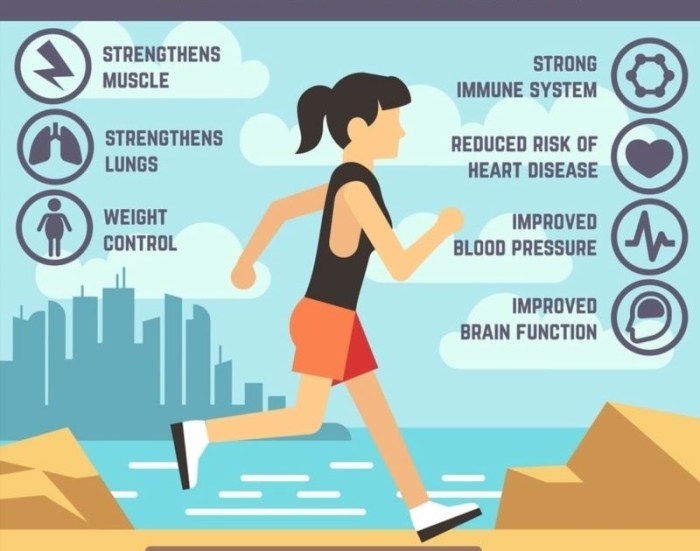
Regular exercise plays a crucial role in preventing chronic diseases and managing existing conditions. Physical activity has been shown to have a significant impact on overall health, especially when it comes to chronic diseases. Let’s delve into the details of how exercise can help in this aspect.
Prevention of Chronic Diseases
Regular physical activity can help prevent a wide range of chronic diseases, including heart disease, diabetes, and certain types of cancer. Exercise boosts the immune system, improves cardiovascular health, and helps maintain a healthy weight, all of which are key factors in reducing the risk of developing chronic conditions.
- Regular exercise can lower the risk of developing heart disease by improving heart health and reducing blood pressure and cholesterol levels.
- Physical activity can also help prevent type 2 diabetes by increasing insulin sensitivity and regulating blood sugar levels.
- Engaging in regular exercise is associated with a lower risk of certain types of cancer, such as breast and colon cancer.
Managing Existing Chronic Conditions
For individuals already living with chronic conditions, incorporating regular exercise into their routine can help manage symptoms and improve overall quality of life. Physical activity can enhance mobility, reduce pain, and increase energy levels, making it easier to cope with the challenges of chronic diseases.
- Exercise can help control symptoms of chronic conditions like arthritis, osteoporosis, and chronic obstructive pulmonary disease (COPD).
- Regular physical activity is beneficial for individuals with mental health conditions, such as depression and anxiety, often associated with chronic diseases.
Research Findings
Research has consistently shown a strong relationship between exercise and the prevention of chronic diseases. Studies have demonstrated the positive effects of physical activity on reducing the risk of various health conditions and improving outcomes for individuals with existing chronic illnesses.
According to a study published in the American Journal of Preventive Medicine, regular exercise can reduce the risk of developing chronic diseases by up to 50%.
Immunity Boosters
Regular exercise plays a crucial role in boosting the immune system and improving overall health. When we engage in physical activity, our body produces more white blood cells, which are essential for fighting off infections and diseases. This leads to a stronger immune response and better protection against illnesses.
Effects of Exercise on Immunity and Overall Health
Regular exercise has a profound impact on the immune system, making it more efficient in detecting and combating pathogens. It reduces inflammation in the body, lowers the risk of chronic diseases, and improves cardiovascular health. These benefits not only enhance our overall well-being but also contribute to a stronger immune system.
- Increased antibody production: Exercise stimulates the production of antibodies, proteins that help our immune system recognize and destroy harmful substances.
- Enhanced circulation: Physical activity improves blood flow, allowing immune cells to move more freely throughout the body and do their job effectively.
- Reduced stress levels: Exercise releases endorphins, which are known to reduce stress and improve mental health. Lower stress levels can positively impact the immune system.
Examples of Exercises for Strengthening the Immune System
When it comes to strengthening the immune system, certain exercises are particularly beneficial. These activities help improve circulation, reduce inflammation, and enhance overall immune function.
- Cardiovascular exercises: Running, cycling, and swimming are excellent choices for boosting the immune system as they increase blood flow and promote heart health.
- Strength training: Weightlifting and bodyweight exercises help build muscle mass, which is essential for overall health and a strong immune system.
- Yoga and Pilates: These practices not only improve flexibility and balance but also reduce stress levels, benefiting the immune system.
Common Queries: Benefits Of Regular Exercise For Overall Health
How does regular exercise contribute to mental wellness?
Regular exercise helps release endorphins, reduces stress, and improves overall mood, contributing to better mental well-being.
What are some examples of exercises that enhance physical fitness?
Exercises like cardio, strength training, and flexibility routines can improve physical fitness levels.
How can a balanced diet support the benefits of regular exercise?
A balanced diet provides essential nutrients to fuel your workouts, enhance recovery, and optimize overall health when combined with regular exercise.
Can regular exercise help prevent chronic diseases?
Yes, regular exercise can reduce the risk of chronic diseases such as heart disease, diabetes, and obesity by improving overall health and well-being.
What are some immunity-boosting exercises?
Exercises like brisk walking, cycling, and yoga can help boost the immune system and improve overall health.


More Stories