Importance of physical fitness for mental health is a topic gaining increasing recognition. Our bodies and minds are intricately connected, and engaging in regular physical activity can significantly impact our mental well-being. From alleviating anxiety and depression to improving sleep quality and cognitive function, the benefits of exercise extend far beyond physical health.
This article delves into the multifaceted relationship between physical fitness and mental health, exploring the scientific evidence behind these connections and providing practical strategies for incorporating physical activity into your daily routine. We’ll also examine the role of nutrition, stress management, and preventive care in optimizing both physical and mental well-being.
The Link Between Physical Fitness and Mental Well-being: Importance Of Physical Fitness For Mental Health
The connection between physical fitness and mental health is undeniable. Numerous studies have shown that engaging in regular physical activity has a profoundly positive impact on our mental well-being. This impact is not merely anecdotal; it’s backed by scientific evidence that reveals the intricate interplay between our bodies and minds.
Exercise and Anxiety Reduction
Exercise can be a powerful tool for alleviating anxiety symptoms. When we engage in physical activity, our bodies release endorphins, which have mood-boosting effects and can help reduce feelings of stress and anxiety. Moreover, exercise can help regulate the body’s stress response system, promoting a sense of calm and reducing the likelihood of anxiety episodes.
Studies have shown that regular exercise can be as effective as medication in treating mild to moderate anxiety disorders.
Exercise and Depression Relief
The benefits of exercise extend to depression as well. Exercise can act as a natural antidepressant by stimulating the production of neurotransmitters like serotonin, dopamine, and norepinephrine, which play crucial roles in regulating mood and emotions. Engaging in physical activity can also help improve sleep quality, reduce feelings of fatigue, and boost self-esteem, all of which contribute to a more positive outlook and a reduction in depressive symptoms.
Improved Mood, Sleep, and Cognitive Function
Beyond reducing anxiety and depression, physical fitness can enhance overall mood, sleep quality, and cognitive function. Regular exercise has been shown to improve mood and reduce feelings of stress and fatigue. It can also improve sleep quality by promoting deeper, more restful sleep, which is essential for mental well-being.
Moreover, exercise has been linked to improved cognitive function, including memory, attention, and problem-solving abilities.
The Role of Physical Activity in Stress Management
Stress is an inevitable part of life, but it can have a significant impact on our mental and physical well-being. Chronic stress can lead to a range of health problems, including anxiety, depression, heart disease, and weakened immune function. Fortunately, physical activity can be a powerful tool for managing stress and improving overall mental health.
How Exercise Releases Endorphins
Exercise triggers the release of endorphins, which are natural mood boosters that have pain-relieving and stress-reducing effects. Endorphins act as neurotransmitters, binding to opioid receptors in the brain and producing feelings of euphoria and well-being. This is often referred to as the “runner’s high.” Regular exercise can increase the production of endorphins, leading to a more positive mood and reduced feelings of stress.
How Physical Activity Helps Cope with Daily Stressors
Physical activity can help individuals cope with daily stressors in several ways. Exercise provides a healthy outlet for releasing pent-up energy and tension. When we exercise, our bodies focus on the physical demands of the activity, which can help to distract us from worries and anxieties.
Exercise can also help to improve sleep quality, which is crucial for managing stress.
A Short Exercise Routine for Stress Reduction
Here is a short exercise routine that can be incorporated into a busy schedule for stress reduction:* Warm-up:Start with 5 minutes of light cardio, such as walking or jogging in place.
Cardio
Engage in 10 minutes of moderate-intensity cardio, such as brisk walking, cycling, or jumping jacks.
Strength training
Perform 3 sets of 10-12 repetitions of bodyweight exercises, such as squats, push-ups, and lunges.
Cool-down
End with 5 minutes of stretching.This routine can be done 3-4 times per week, and it can be easily adapted to fit different fitness levels and time constraints.
Physical Fitness and Cognitive Health
Physical activity isn’t just about building muscle and improving cardiovascular health; it also plays a crucial role in maintaining and enhancing cognitive function. Engaging in regular exercise has been shown to improve memory, focus, and overall cognitive performance, particularly as we age.
Benefits of Physical Activity for Cognitive Health
The link between physical fitness and cognitive health is increasingly recognized. Regular exercise can positively impact various aspects of brain function, potentially leading to a sharper mind and a reduced risk of cognitive decline.
- Improved Memory and Learning:Studies have shown that regular exercise can enhance memory function, particularly in areas like working memory and episodic memory. Exercise can improve the hippocampus, a brain region crucial for memory formation and retrieval. For instance, a study published in the journal “Neurology” found that older adults who engaged in regular aerobic exercise showed improvements in their memory and thinking skills compared to those who were less active.
- Enhanced Focus and Attention:Physical activity can improve attention span and focus, which are essential for cognitive performance. Exercise increases blood flow to the brain, delivering vital nutrients and oxygen that support optimal brain function. Research suggests that regular exercise can enhance the brain’s ability to filter out distractions and maintain attention, leading to improved cognitive performance in tasks requiring focus.
- Stimulation of Brain Cell Growth:Exercise promotes the growth of new brain cells, a process known as neurogenesis. This is particularly important as we age, as neurogenesis naturally declines. Exercise, especially aerobic exercise, can stimulate the production of brain-derived neurotrophic factor (BDNF), a protein that supports the growth and survival of brain cells.
- Improved Blood Flow to the Brain:Regular physical activity improves blood circulation throughout the body, including the brain. Increased blood flow delivers essential nutrients and oxygen to the brain, supporting optimal cognitive function. Studies have shown that exercise can improve blood flow to the brain, particularly in areas involved in memory and thinking.
Preventing Cognitive Decline and Age-Related Brain Disorders
Regular exercise is not only beneficial for maintaining cognitive function but also plays a role in preventing cognitive decline and age-related brain disorders.
- Reduced Risk of Alzheimer’s Disease:Research suggests that regular physical activity may help reduce the risk of developing Alzheimer’s disease, a neurodegenerative disease that affects memory and other cognitive functions. Exercise can promote brain health and reduce inflammation, which are both associated with Alzheimer’s disease.
- Protection Against Vascular Dementia:Physical activity can help prevent vascular dementia, a type of dementia caused by damage to blood vessels in the brain. Exercise improves blood flow and circulation, reducing the risk of blood vessel damage and the development of vascular dementia.
- Improved Cognitive Function in Older Adults:Studies have consistently shown that regular exercise can improve cognitive function in older adults. Exercise can help maintain cognitive abilities and reduce the risk of cognitive decline as we age.
The Importance of a Balanced Diet

Fueling your body with the right nutrients is just as important for mental well-being as it is for physical health. A balanced diet provides the building blocks your brain needs to function optimally, helping you manage stress, boost mood, and enhance cognitive abilities.
The Relationship Between Nutrition and Mental Health
The link between what you eat and how you feel is undeniable. Your diet directly impacts your brain chemistry, influencing the production and regulation of neurotransmitters that play a crucial role in mood, sleep, and cognitive function. A lack of essential nutrients can lead to imbalances in these neurotransmitters, contributing to symptoms of anxiety, depression, and other mental health conditions.
The Role of Specific Nutrients in Supporting Brain Function and Mood Regulation
Several key nutrients are essential for maintaining optimal brain health and supporting mood regulation.
- Omega-3 Fatty Acids: Found in fatty fish like salmon, tuna, and mackerel, omega-3 fatty acids are crucial for brain cell development and function. They play a role in reducing inflammation, improving mood, and supporting cognitive health.
- B Vitamins: This group of vitamins, particularly B12, B6, and folate, are essential for the production of neurotransmitters like serotonin and dopamine, which are vital for mood regulation. Deficiencies in B vitamins can contribute to fatigue, irritability, and depression.
- Zinc: This mineral is essential for brain cell growth and development, and it plays a role in mood regulation and cognitive function. Zinc deficiencies can lead to impaired cognitive function and mood changes.
- Magnesium: Magnesium is involved in over 300 bodily processes, including neurotransmitter function and stress response. Magnesium deficiencies can contribute to anxiety, insomnia, and depression.
A Sample Weekly Meal Plan
Here’s a sample weekly meal plan that emphasizes nutrient-rich foods to support mental well-being and physical fitness:
| Day | Breakfast | Lunch | Dinner | Snacks |
|---|---|---|---|---|
| Monday | Greek yogurt with berries and chia seeds | Tuna salad sandwich on whole-wheat bread with mixed greens | Salmon with roasted vegetables and quinoa | Fruit and nuts, hummus with veggie sticks |
| Tuesday | Oatmeal with banana and almonds | Lentil soup with whole-wheat bread | Chicken stir-fry with brown rice and vegetables | Edamame, yogurt parfait |
| Wednesday | Scrambled eggs with whole-wheat toast and avocado | Leftover chicken stir-fry | Black bean burgers on whole-wheat buns with sweet potato fries | Apple slices with peanut butter, trail mix |
| Thursday | Smoothie with spinach, banana, and almond milk | Quinoa salad with chickpeas, feta cheese, and vegetables | Vegetarian chili with whole-wheat cornbread | Popcorn, dark chocolate |
| Friday | Whole-wheat pancakes with berries and maple syrup | Leftover vegetarian chili | Pizza with whole-wheat crust, vegetables, and lean protein | Fruit salad, yogurt with granola |
| Saturday | Breakfast burrito with eggs, beans, and vegetables | Grilled chicken salad with mixed greens and avocado | Pasta with marinara sauce and vegetables | Trail mix, fruit with yogurt |
| Sunday | French toast with whole-wheat bread and fruit | Leftover pasta with marinara sauce | Roasted chicken with mashed sweet potatoes and green beans | Popcorn, hummus with veggie sticks |
The Benefits of Preventive Care
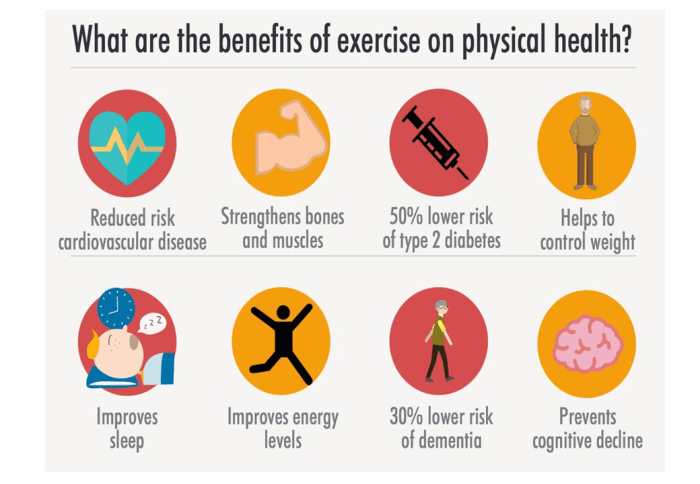
Preventive care involves proactive measures taken to maintain health and prevent diseases. Regular medical check-ups and screenings are essential components of preventive care, as they allow healthcare professionals to identify potential health issues early on, enabling timely interventions and improving overall well-being.
Early Detection and Intervention for Improved Mental Health
Early detection and intervention are crucial for managing mental health conditions effectively. Preventive care measures, such as regular check-ups and screenings, can help identify early signs of mental health issues, allowing for prompt diagnosis and treatment. This can significantly improve outcomes and prevent the progression of conditions.
Early intervention in mental health can reduce the severity of symptoms, improve treatment effectiveness, and prevent long-term consequences.
- Regular mental health screeningscan help identify individuals at risk for mental health disorders, allowing for early intervention and support. This can involve questionnaires or assessments conducted by healthcare professionals to assess mental well-being.
- Prompt diagnosis and treatmentof mental health conditions can significantly improve outcomes. Early intervention can reduce the severity of symptoms, improve treatment effectiveness, and prevent long-term consequences.
- Preventive measures, such as stress management techniques, healthy lifestyle habits, and social support, can play a crucial role in maintaining mental well-being and preventing the development of mental health disorders.
The Power of Immunity Boosters
A robust immune system is the foundation of both physical and mental well-being. When our immune system is strong, it effectively fights off infections and diseases, reducing the risk of illness and promoting overall health. This, in turn, positively impacts our mental state, leading to improved mood, reduced stress, and enhanced cognitive function.
The Role of Physical Activity in Strengthening Immunity
Regular physical activity plays a vital role in boosting our immune system. When we engage in exercise, our body releases endorphins, which have mood-boosting effects and help reduce stress. Exercise also improves blood circulation, allowing immune cells to travel more efficiently throughout the body, enhancing their ability to detect and fight off pathogens.
The Importance of a Balanced Diet for Immune Health
A balanced diet rich in fruits, vegetables, and whole grains provides essential nutrients that support a healthy immune system. These nutrients include vitamins, minerals, and antioxidants, which help strengthen our immune cells and protect them from damage. For example, vitamin C is a powerful antioxidant that helps boost immune function, while zinc is essential for the production of white blood cells, which are crucial for fighting infections.
The Connection Between Sleep and Immunity
Getting enough sleep is crucial for maintaining a strong immune system. During sleep, our body repairs and regenerates itself, including our immune cells. Adequate sleep allows our immune system to function optimally, increasing its ability to fight off infections. When we are sleep-deprived, our immune system becomes weakened, making us more susceptible to illness.
Practical Tips for Boosting Immunity, Importance of physical fitness for mental health
Here are some practical tips for boosting your immunity through lifestyle choices:
- Engage in regular physical activity, aiming for at least 30 minutes of moderate-intensity exercise most days of the week.
- Consume a balanced diet rich in fruits, vegetables, and whole grains.
- Prioritize getting 7-8 hours of quality sleep each night.
- Manage stress levels through techniques like meditation, yoga, or deep breathing exercises.
- Stay hydrated by drinking plenty of water throughout the day.
- Avoid smoking and excessive alcohol consumption, as these habits can weaken the immune system.
- Wash your hands frequently with soap and water, especially after being in public places.
- Get vaccinated against preventable diseases like influenza and pneumonia.
Holistic Wellness
Holistic wellness emphasizes a comprehensive approach to health and well-being, recognizing that our physical, mental, emotional, and social aspects are interconnected and influence each other. This approach emphasizes a balanced and integrated approach to achieving optimal well-being.
Physical fitness, nutrition, mental well-being, and social connections are all integral parts of the holistic wellness model. These elements are not isolated but rather intertwined, influencing and supporting each other. For example, regular physical activity can boost mood and reduce stress, contributing to mental well-being.
Similarly, a balanced diet provides the necessary nutrients for physical health, which in turn supports mental clarity and focus. Strong social connections provide emotional support and a sense of belonging, contributing to overall well-being.
The Interconnectedness of Wellness Elements
The holistic wellness model recognizes the interconnectedness of different aspects of well-being. A visual representation of this model could include overlapping circles representing physical, mental, and social health. The overlapping areas highlight the interconnectedness of these elements, emphasizing that each aspect contributes to and influences the others.
“Holistic wellness is about taking care of the whole person, not just treating individual parts.”
Final Conclusion
In conclusion, prioritizing physical fitness is essential for achieving optimal mental health. By engaging in regular exercise, maintaining a balanced diet, and adopting healthy lifestyle habits, we can cultivate a robust mind-body connection that empowers us to navigate life’s challenges with greater resilience and well-being.
Remember, taking care of our physical health is a vital investment in our mental health, leading to a more fulfilling and vibrant life.
FAQ Guide
What are some beginner-friendly exercises I can do?
Start with simple activities like brisk walking, swimming, or yoga. You can also try bodyweight exercises like squats, lunges, and push-ups.
How much exercise do I need to benefit my mental health?
Aim for at least 150 minutes of moderate-intensity aerobic activity or 75 minutes of vigorous-intensity aerobic activity per week.
Can exercise really help with depression?
Yes, research shows that exercise can be as effective as medication in treating mild to moderate depression.


More Stories
Chronic Diseases Prevention Tips for Seniors & Aging Adults
Sleeps Role in Boosting Your Immune System
Improving Quality of Life for People with Chronic Diseases