Introduction to Chronic Disease Management through Telemedicine
Telemedicine is the use of technology and telecommunications to provide healthcare services remotely, allowing patients to consult with healthcare professionals without the need for in-person visits. This approach has revolutionized the management of chronic diseases by making healthcare more accessible and convenient for patients.
Chronic conditions such as diabetes, hypertension, asthma, and heart disease can be effectively managed through telemedicine. Patients can easily monitor their symptoms, track their progress, and communicate with their healthcare providers through virtual consultations and remote monitoring devices. This proactive approach helps in early detection of any complications and timely adjustments to treatment plans.
The benefits of using telemedicine for chronic disease management are numerous. It enables patients to receive care from the comfort of their homes, reducing the need for frequent visits to healthcare facilities. This not only saves time and money but also minimizes the risk of exposure to infections, especially important for patients with compromised immune systems. Additionally, telemedicine promotes better patient engagement and adherence to treatment plans, leading to improved health outcomes in the long run.
Mental Wellness in Chronic Disease Management: Chronic Disease Management Through Telemedicine
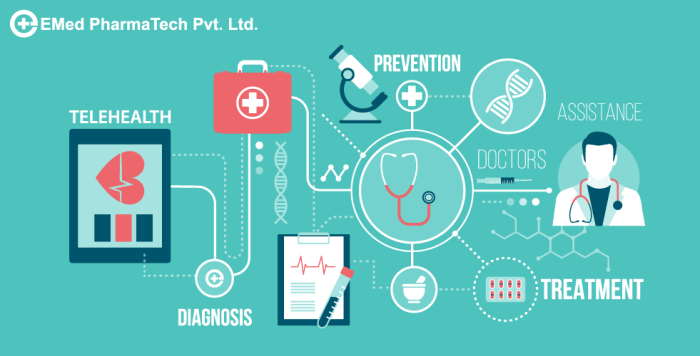
Chronic disease management through telemedicine – Ensuring mental wellness is a crucial aspect of managing chronic diseases, as the emotional and psychological well-being of patients can significantly impact their overall health outcomes.
Importance of Mental Wellness
- Chronic diseases can lead to feelings of anxiety, depression, and stress due to the challenges of managing symptoms and lifestyle changes.
- Poor mental health can also worsen physical symptoms and decrease adherence to treatment plans, affecting the overall quality of life.
- Addressing mental wellness can improve patient motivation, resilience, and ability to cope with the demands of chronic conditions.
Telemedicine Support for Mental Wellness
- Telemedicine offers convenient access to mental health professionals, allowing patients to receive counseling and support from the comfort of their homes.
- Virtual therapy sessions can help patients develop coping strategies, improve their emotional well-being, and enhance their overall mental health.
- Remote monitoring tools in telemedicine can track mental health indicators and provide timely interventions to prevent crisis situations.
Role of Mental Health Professionals in Telemedicine
- Mental health professionals play a vital role in telemedicine by providing psychological assessments, counseling, and therapy sessions to patients with chronic diseases.
- They collaborate with primary care providers to develop holistic treatment plans that address both the physical and emotional aspects of chronic conditions.
- Through telemedicine platforms, mental health professionals can offer ongoing support, monitor progress, and make necessary adjustments to ensure optimal mental wellness for patients.
Physical Fitness and Chronic Disease Management
Regular physical fitness plays a crucial role in managing chronic diseases by helping to improve overall health and quality of life for patients. Exercise has been shown to have numerous benefits for individuals with chronic conditions, including better management of symptoms, reduced risk of complications, and improved mental well-being.
Incorporating Physical Fitness into a Telemedicine-based Chronic Disease Management Plan
Incorporating physical fitness into a telemedicine-based chronic disease management plan can be achieved through personalized exercise routines tailored to the individual’s specific condition and needs. Telemedicine platforms can provide access to virtual fitness classes, online resources for at-home workouts, and remote monitoring of physical activity levels. Encouraging patients to set achievable fitness goals and tracking their progress through telemedicine can also help in promoting adherence to regular exercise routines.
Benefits of Regular Exercise for Patients with Chronic Conditions
– Regular exercise can help improve cardiovascular health, strengthen muscles, and increase flexibility, which are all essential for managing chronic conditions like heart disease, diabetes, and arthritis.
– Physical activity can also help in managing weight, reducing inflammation, and improving blood sugar control, contributing to better overall disease management.
– Engaging in regular exercise has been shown to enhance mood, reduce stress, and boost energy levels, which are particularly beneficial for individuals dealing with the challenges of chronic diseases.
Healthy Eating Tips for Chronic Disease Management
Maintaining a balanced diet is crucial when managing chronic diseases. Proper nutrition can help control symptoms, prevent complications, and improve overall health. Telemedicine plays a significant role in providing nutritional advice and support to patients with chronic conditions, offering convenient access to dietitians and nutritionists. Let’s explore some healthy eating tips for chronic disease management below:
Guidelines for a Balanced Diet
- Include a variety of fruits and vegetables in your meals to ensure a good intake of vitamins, minerals, and antioxidants.
- Opt for whole grains like brown rice, quinoa, and whole wheat bread over refined grains to increase fiber intake and promote heart health.
- Choose lean sources of protein such as poultry, fish, beans, and tofu to reduce saturated fat intake and support muscle health.
- Limit processed foods, sugary drinks, and high-sodium snacks to lower the risk of developing complications associated with chronic diseases.
- Stay hydrated by drinking an adequate amount of water throughout the day to support digestion, circulation, and overall well-being.
Telemedicine Support for Nutritional Advice
Telemedicine platforms offer virtual consultations with dietitians and nutritionists, allowing patients to receive personalized dietary recommendations and meal plans without leaving their homes. These professionals can assess dietary needs, monitor progress, and provide ongoing support to help individuals make healthy food choices that align with their chronic disease management goals.
Impact of Healthy Eating on Chronic Disease Management
Healthy eating habits have a direct impact on managing chronic diseases by controlling blood sugar levels, reducing inflammation, maintaining a healthy weight, and improving overall energy levels. A balanced diet can complement medical treatment and enhance the effectiveness of medications, leading to better outcomes and a higher quality of life for individuals managing chronic conditions.
Preventive Care through Telemedicine
Telemedicine plays a crucial role in providing preventive care for patients with chronic diseases. By utilizing telehealth services, healthcare providers can monitor patients remotely, offer guidance on lifestyle changes, and ensure timely interventions to prevent complications.
Utilization of Telemedicine for Preventive Care
- Remote monitoring of vital signs and symptoms to detect early warning signs of worsening conditions.
- Virtual consultations to educate patients on disease management techniques and preventive measures.
- Regular follow-ups through telehealth platforms to track progress and adjust treatment plans accordingly.
Examples of Preventive Measures through Telemedicine
- Virtual nutrition counseling sessions to promote healthy eating habits and weight management.
- Online physical therapy sessions to improve mobility and prevent musculoskeletal complications.
- Remote mental health support to address stress, anxiety, and depression associated with chronic diseases.
Importance of Proactive Healthcare in Preventing Complications
Proactive healthcare through telemedicine empowers patients to take control of their health and make informed decisions. By preventing complications through early intervention and continuous monitoring, patients can lead healthier lives and reduce the burden of chronic diseases on their overall well-being.
Immunity Boosters and Chronic Disease Management
Boosting immunity plays a crucial role in managing chronic diseases effectively. By enhancing the body’s defense mechanisms, patients with chronic conditions can experience improved overall health outcomes.
Natural Ways to Boost Immunity
- Regular Exercise: Engaging in physical activity can help strengthen the immune system and reduce the risk of chronic diseases.
- Healthy Diet: Consuming a balanced diet rich in fruits, vegetables, and whole grains provides essential nutrients that support immune function.
- Adequate Sleep: Getting sufficient rest is vital for immune health as it allows the body to repair and regenerate cells.
- Stress Management: Chronic stress can weaken the immune system, so practicing relaxation techniques like meditation or yoga can help boost immunity.
Role of Immune Health in Chronic Disease Management, Chronic disease management through telemedicine
Immune health plays a significant role in determining the progression and severity of chronic conditions. A robust immune system can aid in managing symptoms and reducing the impact of chronic diseases on overall health.
Holistic Wellness Approach to Chronic Disease Management
Holistic wellness in the context of managing chronic diseases involves addressing not only the physical symptoms but also the mental, emotional, and spiritual aspects of a patient’s well-being. It emphasizes the interconnectedness of these different facets of health in order to achieve overall wellness and improve health outcomes.
Telemedicine Support for Holistic Chronic Disease Management
Telemedicine plays a crucial role in supporting a holistic approach to chronic disease management by providing convenient access to healthcare services that address various aspects of a patient’s well-being. Through telemedicine, patients can receive comprehensive care that includes physical assessments, mental health counseling, and emotional support, all from the comfort of their own homes.
- Telemedicine consultations allow healthcare providers to assess a patient’s physical health status and provide guidance on managing chronic conditions through medication management, lifestyle modifications, and preventive care.
- Virtual counseling sessions with mental health professionals enable patients to address the emotional and psychological impact of living with a chronic disease, reducing stress and anxiety levels that can exacerbate symptoms.
- Online support groups and wellness programs offer patients a sense of community and connection, fostering emotional well-being and providing a platform for sharing experiences and coping strategies.
Benefits of a Holistic Wellness Approach
A holistic wellness approach to chronic disease management offers several benefits that contribute to improved health outcomes for patients with chronic conditions.
- Improved overall health and well-being: By addressing the physical, mental, and emotional aspects of health, patients experience a more comprehensive and balanced approach to managing their chronic conditions, leading to improved quality of life.
- Better treatment adherence: Patients who receive holistic care are more likely to adhere to their treatment plans and lifestyle recommendations, resulting in better disease management and symptom control.
- Enhanced patient satisfaction: By receiving care that considers their holistic well-being, patients feel more supported and empowered in their healthcare journey, leading to higher satisfaction levels and improved patient-provider relationships.
- Prevention of comorbidities: A holistic approach helps in identifying and addressing risk factors for other health conditions, reducing the likelihood of developing additional complications or comorbidities associated with chronic diseases.
FAQ Insights
How does telemedicine benefit chronic disease management?
Telemedicine allows for remote monitoring, timely consultations, and improved access to healthcare services for individuals with chronic conditions.
What role do mental health professionals play in telemedicine for chronic disease management?
Mental health professionals provide vital support in addressing psychological aspects of chronic illnesses, offering counseling and therapeutic interventions through telemedicine platforms.
Can telemedicine help in promoting preventive care for chronic diseases?
Yes, telemedicine enables early detection, monitoring of risk factors, and implementation of preventive measures to reduce the progression of chronic conditions.
How important is a holistic wellness approach in managing chronic diseases through telemedicine?
A holistic wellness approach addresses the comprehensive needs of individuals with chronic illnesses, emphasizing physical, mental, and emotional well-being for optimal health outcomes.


More Stories
Affordable Preventive Care: Options for the Uninsured
How to reduce risk factors with preventive care