Mental Wellness
Maintaining good mental well-being is crucial when dealing with chronic diseases. The emotional impact of these conditions can be overwhelming, but there are strategies that can help individuals cope effectively.
Managing Stress and Anxiety, How to cope with the emotional impact of chronic diseases
- Engage in regular physical activity to reduce stress levels and boost mood.
- Practice deep breathing exercises or progressive muscle relaxation to calm the mind.
- Seek support from friends, family, or a therapist to talk about your feelings and concerns.
- Set realistic goals and prioritize tasks to avoid feeling overwhelmed.
Mindfulness and Meditation
- Practice mindfulness by staying present in the moment and focusing on sensations, thoughts, and emotions without judgment.
- Engage in meditation to promote relaxation, reduce anxiety, and improve emotional resilience.
- Attend mindfulness-based stress reduction (MBSR) programs or yoga classes to learn techniques for managing stress and enhancing well-being.
Physical Fitness
Regular physical activity plays a crucial role in alleviating the emotional impact of chronic diseases. Engaging in exercise can help improve mood, reduce stress, and increase overall well-being for individuals dealing with chronic illnesses.
Low-impact Exercises for Chronic Illnesses
When incorporating physical activity into a routine for those with chronic illnesses, it’s essential to focus on low-impact exercises to prevent strain and injury. Some examples of suitable low-impact exercises include:
- Walking: A gentle form of cardio that can be easily adjusted to individual fitness levels.
- Swimming: Provides a full-body workout while being gentle on the joints.
- Yoga: Helps improve flexibility, strength, and relaxation through controlled movements and poses.
- Cycling: Offers a low-impact way to improve cardiovascular health and leg strength.
Benefits of Regular Physical Activity
Incorporating regular physical activity into a routine can bring numerous benefits for overall well-being, especially for individuals with chronic diseases. Some of these benefits include:
- Improved mood and mental health: Exercise releases endorphins, which can help reduce feelings of anxiety and depression.
- Increased energy levels: Regular physical activity can boost energy levels and combat fatigue commonly associated with chronic illnesses.
- Enhanced physical function: Strengthening muscles and improving cardiovascular health can enhance overall physical function and quality of life.
- Better sleep quality: Exercise can promote better sleep patterns, leading to improved rest and recovery.
Healthy Eating
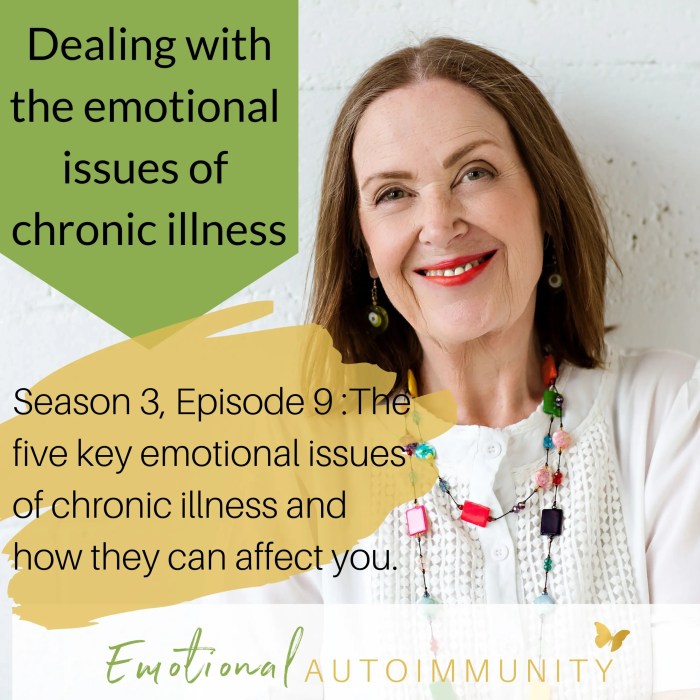
How to cope with the emotional impact of chronic diseases – Eating a balanced diet is essential for managing chronic conditions and supporting emotional health. Nutritious food choices can have a significant impact on overall well-being, helping to improve mood and energy levels.
Significance of Balanced Diet
A balanced diet rich in nutrients such as vitamins, minerals, and antioxidants can help reduce inflammation, boost the immune system, and support overall health. This is particularly important for individuals with chronic diseases, as proper nutrition can help manage symptoms and improve quality of life.
Tips for Meal Planning and Nutritious Food Choices
- Plan your meals in advance to ensure you have healthy options available.
- Include a variety of fruits, vegetables, whole grains, lean proteins, and healthy fats in your diet.
- Avoid processed foods high in sugar, salt, and unhealthy fats.
- Stay hydrated by drinking plenty of water throughout the day.
- Limit caffeine and alcohol consumption, as they can negatively impact mood and energy levels.
Foods that Positively Impact Mood and Energy Levels
- Eating foods rich in omega-3 fatty acids, such as salmon, walnuts, and flaxseeds, can help improve brain function and mood.
- Consuming complex carbohydrates like whole grains, legumes, and vegetables can provide a steady source of energy throughout the day.
- Including foods high in antioxidants, such as berries, dark leafy greens, and nuts, can help reduce oxidative stress and support mental well-being.
Preventive Care
Regular preventive healthcare plays a crucial role in managing chronic diseases and promoting emotional well-being. By staying proactive and prioritizing preventive measures, individuals can reduce the risk of complications and improve their overall health outcomes.
Role of Regular Check-ups and Screenings
Regular check-ups and screenings are essential components of preventive care for individuals with chronic diseases. These routine appointments allow healthcare providers to monitor the progression of the disease, assess any changes in symptoms, and detect potential complications early on. By identifying issues at an early stage, interventions can be initiated promptly, leading to better management of the condition and reducing emotional stress.
- Regular check-ups help in tracking the effectiveness of treatment plans and making necessary adjustments to optimize health outcomes.
- Screenings for specific markers or risk factors associated with the chronic disease can aid in early detection and timely interventions.
- Through regular monitoring, healthcare providers can identify any signs of disease progression or complications, enabling proactive management strategies.
Importance of Vaccinations
Vaccinations are an integral part of preventive care, especially for individuals with chronic diseases. By staying up to date with recommended vaccinations, individuals can protect themselves from preventable infections and reduce the risk of additional health complications. Vaccinations not only safeguard physical health but also contribute to emotional well-being by providing a sense of security and confidence in one’s health status.
- Immunizations help in preventing certain infections that can exacerbate the symptoms or progression of chronic diseases.
- Vaccinations reduce the likelihood of complications and hospitalizations, thereby improving overall quality of life for individuals with chronic conditions.
- By following vaccination schedules as advised by healthcare professionals, individuals can enhance their immune response and boost their resilience against potential health threats.
Balanced Diet
Eating a balanced diet is crucial for individuals with chronic illnesses as it can have a significant impact on emotional health. A balanced diet provides the necessary nutrients to support overall well-being and can help manage symptoms effectively.
Foods to Support Emotional Health
- Omega-3 fatty acids found in fatty fish like salmon and walnuts can help reduce inflammation and improve mood.
- Foods rich in antioxidants such as berries, dark leafy greens, and nuts can help protect against oxidative stress and support brain health.
- Whole grains like brown rice, quinoa, and oats provide a steady source of energy and can help stabilize mood and energy levels.
- Probiotic-rich foods like yogurt, kefir, and kimchi can support gut health, which is linked to mood regulation and overall well-being.
Impact of Dietary Modifications
Dietary modifications tailored to individual needs can positively influence mood and energy levels. By focusing on nutrient-dense foods and avoiding processed or sugary items, individuals can experience improved emotional health and better symptom management. Making small but meaningful changes to one’s diet can lead to significant improvements in overall well-being for those living with chronic diseases.
Regular Exercise: How To Cope With The Emotional Impact Of Chronic Diseases
Regular exercise plays a crucial role in improving the emotional well-being of individuals with chronic diseases. Physical activity has been shown to reduce stress, anxiety, and depression while enhancing overall quality of life.
Incorporating Physical Activity into Daily Routines
- Start with small, manageable goals such as taking short walks or doing gentle stretching exercises.
- Consider low-impact activities like swimming, yoga, or tai chi to improve flexibility and strength.
- Involve a friend or family member to join you in your exercise routine for added motivation and support.
- Utilize online resources or fitness apps to find guided workouts suitable for your condition and fitness level.
Managing Pain and Stress through Exercise
Regular exercise can help reduce chronic pain by increasing flexibility, strength, and overall mobility.
- Engage in activities that focus on gentle movements and stretching to alleviate muscle tension and stiffness.
- Practice relaxation techniques such as deep breathing or meditation before and after exercise to promote a sense of calmness.
- Consult with a healthcare provider or physical therapist to develop a safe and effective exercise plan tailored to your specific needs and limitations.
Enhancing Quality of Life with Exercise
- Regular physical activity can improve sleep patterns, boost energy levels, and enhance overall mood and well-being.
- Set realistic goals and track your progress to stay motivated and celebrate your achievements along the way.
- Focus on the positive effects of exercise on your body and mind, and make it a priority in your daily routine.
Mental Health
Living with a chronic illness can take a toll on one’s mental health, as the challenges and uncertainties that come with such conditions can be overwhelming. It is important to recognize and address the impact of mental health on overall well-being.
Relationship Between Mental Health and Chronic Illnesses
- Chronic illnesses can lead to feelings of anxiety, depression, and isolation due to the constant management of symptoms and limitations in daily activities.
- Stress associated with chronic conditions can exacerbate mental health issues and vice versa, creating a cycle that affects both physical and emotional well-being.
- Addressing mental health concerns is crucial in managing chronic diseases effectively and improving quality of life.
Common Mental Health Challenges Faced by Individuals with Chronic Conditions
- Depression: Many individuals with chronic illnesses experience feelings of sadness, hopelessness, and loss of interest in activities they once enjoyed.
- Anxiety: The uncertainties surrounding the progression of the disease and the impact on daily life can result in heightened levels of anxiety and stress.
- Isolation: Dealing with a chronic illness can lead to social withdrawal and feelings of loneliness, especially if one’s condition limits participation in social activities.
Strategies for Seeking Professional Help and Support for Mental Health Concerns
- Therapy: Seeking therapy from a licensed mental health professional can provide individuals with coping mechanisms, emotional support, and strategies to manage stress and anxiety.
- Support Groups: Joining a support group for individuals with similar chronic conditions can offer a sense of community, understanding, and shared experiences.
- Medication: In some cases, medication prescribed by a psychiatrist or healthcare provider may be necessary to manage symptoms of depression or anxiety effectively.
Holistic Wellness
Holistic wellness is an approach that considers the whole person – body, mind, and spirit – in the quest for optimal health and well-being. It emphasizes the interconnectedness of these aspects and recognizes that addressing one area can positively impact the others. This approach is particularly significant in managing chronic diseases and emotional well-being as it takes into account all aspects of an individual’s health.
Integration of Physical, Emotional, and Mental Health
When it comes to achieving holistic well-being, the integration of physical, emotional, and mental health is crucial. Each of these components plays a vital role in overall wellness and must be addressed to achieve a balanced and healthy lifestyle.
- Physical Health: Regular exercise, proper nutrition, and preventive care are essential for maintaining physical health. These practices can help manage chronic diseases and improve overall well-being.
- Emotional Health: Managing stress, practicing mindfulness, and seeking support from loved ones or professionals can help improve emotional health. Emotional well-being is closely tied to physical health and can impact the management of chronic diseases.
- Mental Health: Taking care of mental health through therapy, meditation, or other techniques can significantly improve overall well-being. Mental health plays a crucial role in managing chronic diseases and emotional well-being.
Complementary Practices for Chronic Illnesses
In addition to traditional treatments, practices like yoga, acupuncture, and aromatherapy can complement the management of chronic illnesses. These holistic approaches focus on the connection between the body, mind, and spirit, promoting overall wellness and potentially enhancing the effectiveness of conventional treatments.
Yoga can help improve flexibility, reduce stress, and promote relaxation, which can be beneficial for individuals with chronic diseases.
Acupuncture has been shown to alleviate pain, nausea, and other symptoms associated with chronic illnesses, offering a holistic approach to managing these conditions.
Aromatherapy using essential oils can have calming or energizing effects, which may help individuals cope with the emotional impact of chronic diseases and improve their overall well-being.
Chronic Diseases
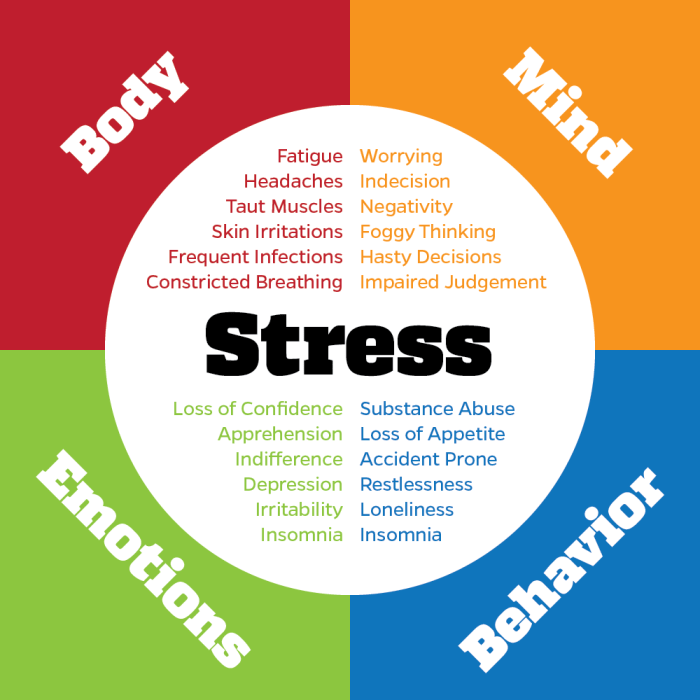
Chronic diseases are long-term conditions that typically progress slowly over time and often have no cure. These diseases can have a significant emotional impact on individuals, affecting their mental well-being and quality of life.
Overview of Common Chronic Diseases and Their Emotional Impact
- Heart disease: Individuals with heart disease may experience fear, anxiety, and depression due to the uncertainty of their condition and the lifestyle changes required.
- Diabetes: Managing diabetes can be emotionally taxing, leading to feelings of frustration, guilt, and stress related to blood sugar control and potential complications.
- Arthritis: Chronic pain and limited mobility associated with arthritis can lead to feelings of isolation, depression, and a sense of loss.
Challenges of Living with a Chronic Illness and Coping Strategies
- Uncertainty: Dealing with the unpredictable nature of chronic diseases can be overwhelming. Developing a routine, setting realistic goals, and seeking support from loved ones can help cope with uncertainty.
- Emotional distress: Chronic illnesses can trigger a range of emotions, including sadness, anger, and anxiety. Engaging in relaxation techniques, therapy, or support groups can aid in managing emotional distress.
- Self-care: Prioritizing self-care, maintaining a healthy lifestyle, and adhering to treatment plans are essential for managing chronic conditions effectively.
Resources and Support Networks for Individuals with Chronic Conditions
- Support groups: Connecting with others facing similar challenges can provide a sense of community, understanding, and emotional support.
- Mental health services: Seeking therapy or counseling can help individuals navigate the emotional impact of chronic diseases and develop coping strategies.
- Disease-specific organizations: Many organizations offer educational resources, advocacy, and support services tailored to specific chronic conditions.
Immunity Boosters
Maintaining a strong immune system is crucial for individuals with chronic diseases as it helps the body fight off infections and illnesses more effectively. By boosting immunity, individuals can better manage their conditions and improve their overall health.
Lifestyle Factors and Habits
- Adequate sleep: Getting enough quality sleep is essential for a healthy immune system. Aim for 7-9 hours of sleep each night.
- Regular exercise: Physical activity can help boost immunity by promoting good circulation and reducing inflammation. Aim for at least 30 minutes of exercise most days of the week.
- Stress management: Chronic stress can weaken the immune system, so finding ways to manage stress through relaxation techniques, mindfulness, or hobbies is important.
- Healthy diet: Eating a balanced diet rich in fruits, vegetables, whole grains, and lean proteins provides essential nutrients that support immune function.
Natural Remedies and Supplements
- Vitamin C: Known for its immune-boosting properties, vitamin C can be found in citrus fruits, strawberries, and bell peppers.
- Zinc: Zinc is essential for immune function and can be obtained from foods like meat, nuts, seeds, and legumes.
- Echinacea: This herb is believed to stimulate the immune system and reduce the severity of cold symptoms.
- Probiotics: These beneficial bacteria can support gut health, which is closely linked to immune function. Yogurt, kefir, and fermented foods are good sources of probiotics.
Popular Questions
How can I manage stress and anxiety while dealing with a chronic illness?
Some strategies include mindfulness techniques, meditation, and seeking support from mental health professionals.
What role does physical activity play in alleviating the emotional impact of chronic diseases?
Physical activity can help improve mood, reduce stress, and enhance overall well-being for individuals with chronic illnesses.
How important is preventive care in managing chronic diseases and emotional well-being?
Preventive care, such as regular check-ups and screenings, is crucial in preventing complications and reducing emotional stress associated with chronic conditions.
What are some examples of immunity boosters for individuals with chronic diseases?
Natural remedies, supplements, and lifestyle habits like regular exercise and a balanced diet can help boost immunity and overall health.


More Stories
Importance of sleep for a strong immune system: Enhancing your health through quality rest
Best natural immunity boosters for adults: Enhancing Health Naturally
Benefits of holistic wellness for emotional balance: Enhancing Well-Being Through a Holistic Approach