Mental Wellness
Maintaining mental wellness is crucial for achieving emotional balance. It involves taking care of our cognitive and emotional health to ensure overall well-being.
Practices for Promoting Mental Wellness
- Regular exercise: Physical activity releases endorphins, which can help reduce stress and improve mood.
- Mindfulness meditation: Practicing mindfulness can help increase self-awareness, reduce anxiety, and enhance emotional regulation.
- Healthy diet: Consuming nutritious foods can have a positive impact on mental health and overall well-being.
- Quality sleep: Getting enough rest is essential for cognitive function and emotional stability.
Contribution to Overall Well-Being
Mental wellness plays a significant role in contributing to overall well-being. When our minds are healthy and balanced, we are better equipped to cope with stress, make sound decisions, and maintain positive relationships. Prioritizing mental wellness can lead to a more fulfilling and satisfying life.
Physical Fitness
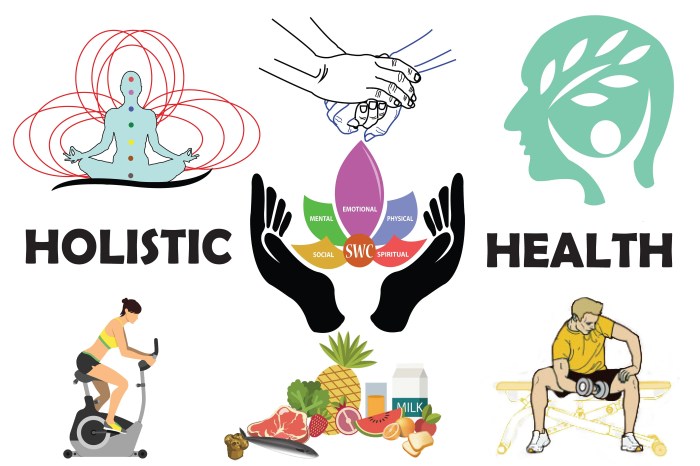
Regular exercise plays a crucial role in maintaining emotional balance. Physical fitness and emotional well-being are closely interconnected, with one significantly impacting the other. Engaging in activities that promote physical health can have a profound positive effect on emotional stability and overall mental wellness.
Benefits of Regular Exercise on Emotional Well-being
Regular exercise has numerous benefits on emotional well-being, including:
- Reduced stress levels: Physical activity helps in reducing stress hormones like cortisol and increases the production of endorphins, which are known as the “feel-good” hormones.
- Improved mood: Exercise has been shown to alleviate symptoms of depression and anxiety by releasing neurotransmitters like serotonin and dopamine, which regulate mood.
- Enhanced self-esteem: Achieving fitness goals and feeling stronger physically can boost self-confidence and self-esteem, leading to a more positive self-image.
Impact of Physical Fitness on Mental Health
Physical fitness positively impacts mental health in various ways, such as:
- Enhanced cognitive function: Regular exercise improves brain function, memory, and concentration, leading to better mental clarity and cognitive abilities.
- Better sleep quality: Physical activity helps regulate sleep patterns and promotes restful sleep, which is essential for mental well-being.
- Stress management: Engaging in physical activities like yoga, running, or dancing can serve as a healthy outlet for stress and tension, promoting relaxation and emotional balance.
Healthy Eating
Maintaining emotional balance is closely linked to our dietary choices. Healthy eating plays a crucial role in nurturing our mental well-being and emotional health. The impact of a balanced diet on our emotions cannot be overstated, as certain nutrients can directly affect our mood and overall mental state.
Impact of Healthy Eating on Emotional Balance
Eating a well-balanced diet rich in essential nutrients can help regulate neurotransmitters in the brain, such as serotonin and dopamine, which are crucial for mood regulation. Consuming whole foods like fruits, vegetables, whole grains, lean proteins, and healthy fats can provide the necessary nutrients to support emotional health and stability.
- Omega-3 fatty acids found in fatty fish, flaxseeds, and walnuts can help reduce feelings of anxiety and depression.
- Complex carbohydrates like whole grains and legumes can boost serotonin levels, promoting feelings of calmness and happiness.
- Antioxidants from colorful fruits and vegetables can protect the brain from oxidative stress and inflammation, which are linked to mood disorders.
- Probiotics in fermented foods like yogurt and kimchi can support gut health, which is connected to brain function and mood regulation.
Preventive Care
Regular preventive care strategies play a crucial role in enhancing emotional balance by addressing potential health issues before they escalate. By taking proactive steps to maintain overall well-being, individuals can reduce stress and anxiety, leading to improved mental health.
Importance of Regular Check-ups
Regular check-ups are essential for maintaining optimal mental well-being. These visits allow healthcare professionals to assess any changes in mental health status, provide early interventions if needed, and offer support and guidance to prevent future issues. By monitoring mental health regularly, individuals can address concerns before they become more severe.
Tips for Incorporating Preventive Care
- Schedule regular mental health check-ups with a therapist or counselor to discuss any emotional concerns and develop coping strategies.
- Engage in stress-reducing activities such as meditation, yoga, or mindfulness exercises to promote emotional balance.
- Maintain a healthy lifestyle through regular exercise, balanced nutrition, and sufficient sleep to support overall well-being.
- Seek social support from friends, family, or support groups to help manage stress and build resilience against emotional challenges.
- Stay informed about mental health resources and services available in your community to access timely support when needed.
Balanced Diet
Eating a balanced diet is essential for maintaining emotional balance as it provides the necessary nutrients for overall well-being. The connection between nutrition and mental health is significant, as certain foods can impact mood, energy levels, and cognitive function. By incorporating specific components into your meals, you can promote emotional well-being and support your mental health.
Components of a Balanced Diet for Emotional Balance
- Protein: Including sources of lean protein like chicken, fish, tofu, or legumes can help regulate neurotransmitters that affect mood.
- Fruits and Vegetables: Consuming a variety of colorful fruits and vegetables provides essential vitamins, minerals, and antioxidants that support brain health.
- Whole Grains: Opt for whole grains like brown rice, quinoa, and whole wheat bread to maintain steady blood sugar levels and prevent mood swings.
- Healthy Fats: Incorporating sources of healthy fats such as avocados, nuts, and olive oil can support brain function and improve mood.
- Hydration: Staying hydrated with water and herbal teas is crucial for cognitive function and overall well-being.
Connection Between Nutrition and Mental Health
Benefits of holistic wellness for emotional balance – Nutrition plays a vital role in mental health, as certain nutrients impact neurotransmitter function and mood regulation. For example, omega-3 fatty acids found in fatty fish can reduce symptoms of depression and anxiety. Additionally, deficiencies in vitamins like B12 and folate have been linked to mood disorders. By consuming a balanced diet rich in essential nutrients, you can support your mental health and emotional well-being.
Meal Plans for Emotional Well-Being
| Breakfast | Lunch | Dinner |
|---|---|---|
| Greek yogurt with berries and almonds | Quinoa salad with grilled chicken | Baked salmon with roasted vegetables |
| Whole grain toast with avocado and eggs | Lentil soup with mixed greens | Stir-fried tofu with broccoli and brown rice |
| Smoothie with spinach, banana, and peanut butter | Turkey and hummus wrap with carrot sticks | Vegetable stir-fry with tofu and quinoa |
Regular Exercise
Regular exercise plays a crucial role in maintaining emotional balance by releasing endorphins, improving mood, reducing stress, and enhancing overall well-being. It is a key component of holistic wellness that not only benefits physical health but also positively impacts mental health. Consistent physical activity can help manage anxiety, depression, and other emotional challenges, promoting a sense of clarity and calmness.
Types of Exercises for Mental Wellness
When it comes to supporting mental wellness, various types of exercises can be beneficial. Some examples include:
- Cardiovascular Exercises: Activities like running, swimming, or cycling can help boost serotonin levels, known as the “feel-good” neurotransmitter, improving mood and reducing symptoms of anxiety and depression.
- Yoga and Pilates: These mind-body practices focus on breathing techniques, mindfulness, and gentle movements, promoting relaxation, stress relief, and mental clarity.
- Strength Training: Lifting weights or bodyweight exercises can enhance self-esteem, improve body image, and increase overall energy levels, contributing to a positive mindset.
- Dance and Aerobic Workouts: Engaging in dance or aerobic routines can uplift mood, increase self-expression, and provide a creative outlet for emotional release.
Tips for Creating a Sustainable Exercise Routine
To establish a sustainable exercise routine for emotional well-being, consider the following tips:
- Set Realistic Goals: Start with manageable exercise sessions and gradually increase intensity and duration to prevent burnout and maintain motivation.
- Find Activities You Enjoy: Choose exercises that bring you joy and satisfaction, whether it’s dancing, hiking, playing sports, or practicing yoga, to ensure long-term commitment.
- Stay Consistent: Schedule regular workout sessions throughout the week and prioritize physical activity as a non-negotiable part of your routine.
- Listen to Your Body: Pay attention to your body’s signals, rest when needed, and avoid pushing yourself too hard to prevent injuries and maintain a healthy relationship with exercise.
- Seek Support: Join group classes, workout with a friend, or consult a fitness professional to stay motivated, accountable, and engaged in your exercise routine.
Mental Health: Benefits Of Holistic Wellness For Emotional Balance
Understanding the importance of mental health in maintaining emotional balance is crucial for overall well-being. Mental health encompasses our emotional, psychological, and social well-being, affecting how we think, feel, and act in our daily lives.
Significance of Mental Health Awareness
Increased awareness of mental health issues plays a vital role in promoting emotional balance. Recognizing and addressing mental health concerns can help individuals cope with stress, anxiety, and other emotional challenges effectively. By prioritizing mental health, individuals can improve their overall quality of life and relationships.
Impact of Mental Health Disorders
Mental health disorders, such as depression, anxiety, and bipolar disorder, can significantly impact overall well-being. These conditions can lead to emotional instability, relationship difficulties, and decreased productivity. It is essential to address mental health disorders promptly and seek professional help to manage symptoms effectively.
Strategies for Improving Mental Health, Benefits of holistic wellness for emotional balance
- Practice mindfulness and relaxation techniques to reduce stress and promote emotional balance.
- Engage in regular physical exercise to boost mood and improve mental well-being.
- Seek therapy or counseling to address underlying emotional issues and develop coping strategies.
- Establish a strong support system of friends and family to provide emotional support during challenging times.
- Practice self-care activities, such as hobbies and leisure pursuits, to nurture your mental well-being.
Holistic Wellness
Holistic wellness involves taking care of the whole person – mind, body, and spirit – to achieve overall well-being. This approach considers all aspects of a person’s life and aims to create balance and harmony. When it comes to emotional balance, holistic wellness plays a crucial role in promoting mental health and stability.
The Holistic Approach to Emotional Well-being
The holistic approach to emotional well-being focuses on addressing the root causes of emotional imbalances rather than just treating the symptoms. It emphasizes the connection between the mind, body, and spirit, recognizing that these elements are interconnected and influence each other. By taking a holistic approach, individuals can achieve long-lasting emotional balance and well-being.
- Practicing mindfulness and meditation to calm the mind and reduce stress.
- Engaging in regular physical activity to release endorphins and improve mood.
- Eating a balanced diet rich in nutrients to support brain function and emotional health.
- Participating in therapy or counseling to address underlying emotional issues.
Chronic Diseases
Chronic diseases are long-term medical conditions that require ongoing management and care. These conditions can have a significant impact on a person’s emotional well-being, as they may lead to feelings of stress, anxiety, and depression. The constant management of symptoms, doctor visits, and lifestyle adjustments can take a toll on mental health, affecting one’s overall emotional balance.
Relationship between Chronic Diseases and Emotional Well-being
Chronic diseases and emotional well-being are closely linked, as the physical symptoms and limitations of chronic conditions can lead to emotional distress. Managing a chronic illness often requires significant lifestyle changes, such as dietary restrictions, medication regimens, and regular medical appointments. These changes can cause feelings of frustration, isolation, and anxiety, impacting mental health.
- Chronic diseases can increase stress levels and lead to feelings of helplessness.
- Emotional distress can worsen physical symptoms and reduce quality of life.
- Managing chronic conditions may require a strong support system to cope with the emotional challenges.
Impact of Managing Chronic Conditions on Mental Health
Effectively managing chronic conditions is crucial for maintaining good mental health. By taking proactive steps to address physical symptoms and emotional well-being, individuals can improve their overall quality of life and reduce the negative impact of chronic diseases on their mental health.
Taking a holistic approach to managing chronic conditions can help individuals address both the physical and emotional aspects of their health.
- Regular exercise and physical activity can improve mood and reduce stress levels.
- Healthy eating habits can support overall well-being and enhance mental clarity.
- Seeking professional mental health support can provide coping strategies for dealing with the emotional challenges of chronic diseases.
Immunity Boosters
Immunity boosters play a crucial role in maintaining emotional balance by supporting overall health and well-being. A strong immune system not only protects the body from illnesses but also has a significant impact on mental wellness.
Connection between Immunity Boosters and Emotional Balance
- Immunity boosters help reduce the risk of infections and diseases, which can alleviate stress and anxiety levels.
- By strengthening the immune system, the body is better equipped to handle external stressors, leading to improved emotional resilience.
- Research has shown that a healthy immune system is linked to better mood regulation and overall emotional stability.
Impact of Strong Immune System on Mental Well-being
- A robust immune system can enhance cognitive function and support better mental clarity and focus.
- Reducing inflammation through immunity boosters can also positively impact mental health conditions such as depression and anxiety.
- Overall, a strong immune system contributes to a sense of well-being and can help prevent mood disorders.
Examples of Natural Immunity Boosters for Emotional Health
- Consuming foods rich in vitamin C, such as citrus fruits, bell peppers, and strawberries, can help boost immunity and promote emotional balance.
- Herbs like turmeric, ginger, and garlic have natural anti-inflammatory properties that support both physical and emotional health.
- Regular physical exercise, proper hydration, and adequate sleep are also essential immunity boosters that contribute to emotional well-being.
Quick FAQs
How does holistic wellness differ from traditional approaches to emotional balance?
Holistic wellness focuses on addressing the individual as a whole, considering all aspects of health including mental, physical, and emotional well-being. Traditional approaches may only target specific symptoms or issues.
Can holistic wellness practices be integrated into daily routines easily?
Absolutely! Simple practices like mindfulness meditation, regular exercise, and balanced nutrition can be seamlessly incorporated into daily life to promote emotional balance.
Are there specific foods that are known to boost emotional well-being?
Foods rich in omega-3 fatty acids, such as salmon and walnuts, as well as those high in antioxidants like berries, can positively impact emotional health.


More Stories
Importance of sleep for a strong immune system: Enhancing your health through quality rest
Best natural immunity boosters for adults: Enhancing Health Naturally
How to cope with the emotional impact of chronic diseases