Mental Wellness
Maintaining good mental wellness is essential for overall health and well-being. It involves taking care of your emotional, psychological, and social well-being to cope with the daily stresses of life.
Strategies for Improving Mental Wellness
- Practice mindfulness and meditation to stay present and reduce anxiety.
- Engage in regular physical exercise to boost mood and reduce stress.
- Build strong social connections by spending time with friends and loved ones.
- Get enough quality sleep to support mental health and cognitive function.
- Seek professional help if needed through therapy or counseling.
Impact of Mental Health on Daily Life
How to create a mental health support system – Mental health greatly influences how we think, feel, and act on a daily basis. Poor mental health can lead to difficulties in managing relationships, work, and overall quality of life. It can affect our decision-making, self-esteem, and ability to cope with challenges effectively.
Physical Fitness
Regular physical activity is not only beneficial for the body but also plays a crucial role in maintaining good mental health. The connection between physical fitness and mental well-being is well-established, with exercise being linked to reduced symptoms of anxiety, depression, and stress. Engaging in physical activities can help improve mood, boost self-esteem, and increase energy levels.
Examples of Physical Activities for Mental Well-Being:
- Taking a brisk walk or jog in nature can help reduce stress and improve mood.
- Practicing yoga or tai chi can promote relaxation, mindfulness, and reduce symptoms of anxiety.
- Participating in group sports or fitness classes can enhance social connections and feelings of belonging.
- Strength training or high-intensity workouts can boost self-confidence and improve overall mental well-being.
Regular Exercise for a Positive Mindset:
Regular exercise has been shown to release endorphins, the body’s natural mood elevators, which can help reduce feelings of sadness and anxiety. Additionally, physical activity promotes better sleep, which is essential for mental health. Establishing a consistent exercise routine can contribute to increased self-discipline, resilience, and a more positive outlook on life.
Healthy Eating
When it comes to mental health, diet plays a crucial role in supporting overall well-being. The foods we consume can have a direct impact on our mood, energy levels, and cognitive function.
Foods for Good Mental Health
- Eating foods rich in Omega-3 fatty acids such as salmon, walnuts, and chia seeds can help improve brain function and reduce symptoms of depression.
- Dark leafy greens like spinach and kale are high in folate, which is linked to a lower risk of depression and improved mood.
- Protein sources like lean meats, beans, and legumes contain amino acids that help regulate neurotransmitters, contributing to better mental health.
- Whole grains like quinoa and brown rice provide a steady release of energy, helping to stabilize mood and improve concentration.
- Antioxidant-rich foods such as berries, dark chocolate, and green tea can protect the brain from oxidative stress and inflammation, promoting mental clarity.
Meal Planning Tips for Mental Well-being
- Include a variety of colorful fruits and vegetables in your meals to ensure a range of nutrients that support brain health.
- Incorporate healthy fats like avocados, nuts, and olive oil to support cognitive function and mood regulation.
- Aim for balanced meals that combine protein, carbohydrates, and healthy fats to maintain stable blood sugar levels throughout the day.
- Avoid excessive consumption of processed foods, sugary snacks, and caffeine, as they can negatively impact mood and energy levels.
- Stay hydrated by drinking plenty of water throughout the day, as even mild dehydration can affect cognitive performance and mood.
Preventive Care
Preventive care in mental health focuses on taking proactive steps to maintain and improve mental well-being before issues escalate.
Early intervention plays a crucial role in preventing mental health challenges from becoming more severe and impacting daily life.
Importance of Early Intervention
Early intervention can help individuals identify and address mental health concerns before they worsen, leading to better outcomes and quality of life.
- Regular mental health screenings can detect issues early on and guide appropriate interventions.
- Building strong support networks and seeking professional help when needed can prevent isolation and promote mental wellness.
- Engaging in stress-reducing activities such as mindfulness, meditation, and exercise can help manage emotions and prevent the onset of mental health conditions.
- Creating a healthy work-life balance and setting boundaries to reduce burnout and maintain mental well-being.
Balanced Diet: How To Create A Mental Health Support System
When it comes to mental health, a balanced diet plays a crucial role in providing the necessary nutrients to support cognitive function and overall well-being. By incorporating a variety of food groups into your meals, you can ensure that your body and mind are getting the fuel they need to function optimally.
Components of a Balanced Diet for Mental Health
A balanced diet for mental health should include a mix of fruits, vegetables, whole grains, lean proteins, and healthy fats. These food groups provide essential nutrients that support brain health and cognitive function. Fruits and vegetables are rich in antioxidants and vitamins that help reduce inflammation and protect brain cells. Whole grains provide a steady source of energy, while lean proteins and healthy fats support neurotransmitter function.
- Include a variety of colorful fruits and vegetables in your meals to ensure you’re getting a range of vitamins and minerals.
- Incorporate whole grains like quinoa, brown rice, and oats to provide sustained energy throughout the day.
- Opt for lean proteins such as chicken, fish, beans, and tofu to support neurotransmitter production.
- Include healthy fats from sources like avocados, nuts, seeds, and olive oil to support brain health.
Role of Nutrients in Supporting Cognitive Function
Nutrients play a vital role in supporting cognitive function by providing the building blocks for neurotransmitters, regulating inflammation, and protecting brain cells from damage. Key nutrients for brain health include omega-3 fatty acids, antioxidants, vitamins B and D, magnesium, and zinc.
- Omega-3 fatty acids found in fatty fish like salmon and walnuts are essential for brain health and can help improve mood and cognitive function.
- Antioxidants from fruits and vegetables help reduce oxidative stress and inflammation in the brain, protecting against cognitive decline.
- Vitamins B and D play a role in neurotransmitter production and mood regulation, while magnesium and zinc support cognitive function and memory.
Recipes for a Balanced Diet for Mental Well-being
Here are some meal ideas and recipes that align with a balanced diet for mental well-being:
| Breakfast: | Greek yogurt with berries and almonds |
|---|---|
| Lunch: | Quinoa salad with mixed greens, grilled chicken, and avocado |
| Dinner: | Baked salmon with roasted sweet potatoes and steamed broccoli |
| Snacks: | Carrot sticks with hummus, apple slices with almond butter |
Regular Exercise
Regular exercise plays a crucial role in maintaining good mental health. It has numerous benefits that can positively impact mood, stress levels, and overall well-being.
Benefits of Regular Exercise on Mental Health
- Improves mood: Exercise releases endorphins, also known as “feel-good” hormones, which can help reduce feelings of anxiety and depression.
- Reduces stress: Physical activity can act as a natural stress reliever by decreasing cortisol levels in the body.
- Boosts self-esteem: Regular exercise can improve self-confidence and body image, leading to a more positive self-perception.
- Enhances cognitive function: Physical activity has been linked to improved memory, focus, and overall cognitive function.
Tips for Incorporating Physical Activity into Daily Routines
- Schedule it in: Set aside specific times during the day for exercise, treating it like any other important appointment.
- Find activities you enjoy: Whether it’s dancing, hiking, or yoga, choose activities that you find fun and engaging to stay motivated.
- Start small: Begin with short sessions and gradually increase the duration and intensity as your fitness level improves.
- Get creative: Look for ways to incorporate movement into your daily life, such as taking the stairs instead of the elevator or going for a walk during lunch breaks.
Impact of Exercise on Mood and Stress Levels
Regular exercise has been shown to have a significant impact on mood regulation and stress management. Engaging in physical activity can help reduce symptoms of anxiety and depression, improve sleep quality, and enhance overall mental well-being. By incorporating exercise into your daily routine, you can experience a positive shift in your mood, increased energy levels, and better stress coping mechanisms.
Mental Health
Mental health encompasses our emotional, psychological, and social well-being. It affects how we think, feel, and act, impacting how we handle stress, relate to others, and make choices in our daily lives.
Stigma Surrounding Mental Health, How to create a mental health support system
Despite progress in mental health awareness, there is still a significant stigma attached to mental health issues. This stigma can prevent individuals from seeking help, leading to negative consequences for their well-being. Addressing this stigma involves promoting open conversations, educating the public, and challenging stereotypes.
Resources for Mental Health Support
– National Alliance on Mental Illness (NAMI): NAMI provides information, support, and advocacy for individuals and families affected by mental health conditions.
– Crisis Text Line: A free, 24/7 text line for individuals in crisis, providing immediate support and resources.
– Therapy Apps: Apps like Talkspace and BetterHelp offer online therapy services for convenient and accessible mental health support.
– Mental Health Hotlines: Hotlines such as the National Suicide Prevention Lifeline offer confidential support and guidance for individuals in distress.
Holistic Wellness
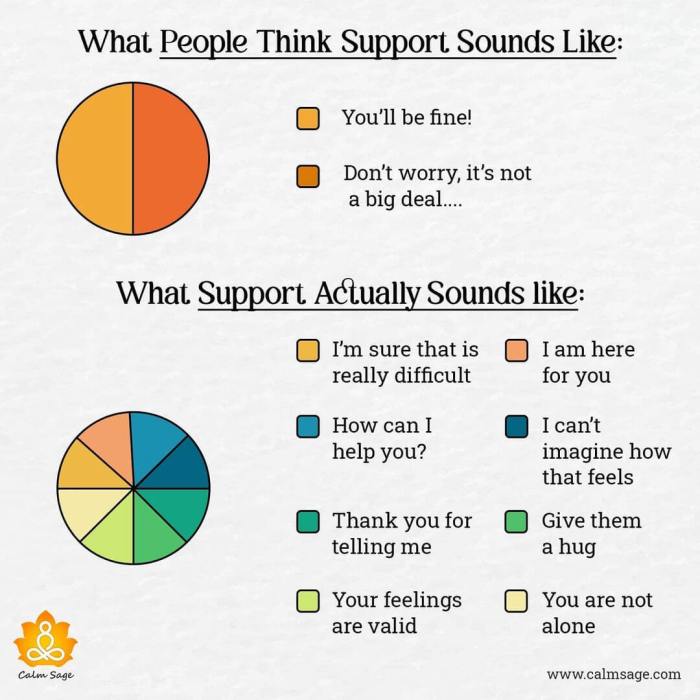
Holistic wellness is a concept that focuses on addressing all aspects of an individual’s well-being, including physical, mental, emotional, and spiritual health. This approach recognizes that these different aspects are interconnected and that achieving balance in each area is essential for overall wellness.
Connection to Mental Health
When it comes to mental health, taking a holistic approach means looking beyond just the symptoms of a mental illness and considering the individual as a whole. By addressing various aspects of wellness, such as physical fitness, healthy eating, social connections, and stress management, mental well-being can be greatly improved.
Holistic Approaches to Mental Health Care
- Integrative Therapy: Combining traditional therapy with complementary approaches like yoga, meditation, or acupuncture to address mental health issues.
- Healthy Lifestyle Changes: Encouraging regular exercise, proper nutrition, and adequate sleep to support mental well-being.
- Mindfulness Practices: Engaging in mindfulness meditation and other practices to cultivate self-awareness and reduce stress.
- Social Support Networks: Building strong relationships and connections with others to provide emotional support and reduce feelings of isolation.
Chronic Diseases
Chronic diseases are long-term conditions that often require ongoing medical attention and management. These conditions can have a significant impact on an individual’s physical health, but they can also take a toll on mental well-being.
When dealing with chronic illnesses, individuals may experience increased levels of stress, anxiety, and depression. The constant need for medical treatments, lifestyle changes, and uncertainties about the future can lead to emotional distress and mental health challenges.
Managing Mental Health with Chronic Illnesses
- Establish a strong support system: Surround yourself with understanding and compassionate individuals who can provide emotional support during difficult times.
- Practice self-care: Prioritize activities that promote relaxation and reduce stress, such as meditation, deep breathing exercises, or engaging in hobbies you enjoy.
- Seek professional help: Consider therapy or counseling to address any emotional struggles related to your chronic condition and develop coping strategies.
- Stay informed: Educate yourself about your condition, treatment options, and ways to improve your quality of life. Knowledge can empower you to make informed decisions and feel more in control.
- Maintain a healthy lifestyle: Focus on a balanced diet, regular exercise, and proper sleep to support both your physical and mental well-being.
Immunity Boosters
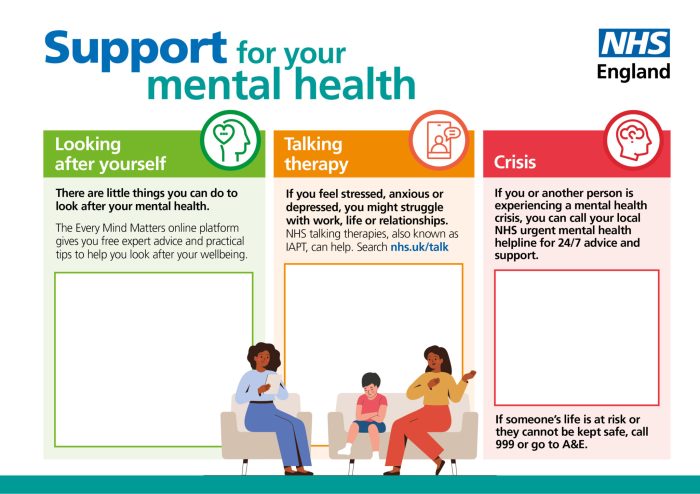
Immunity plays a crucial role in maintaining overall health, including mental well-being. A strong immune system can help protect against illnesses and reduce the risk of chronic diseases, which can have a significant impact on mental health.
Boosting immunity through healthy practices can also benefit mental well-being. When the body is better equipped to fight off infections and diseases, it can reduce stress and anxiety levels, leading to improved mental clarity and emotional balance.
Natural Immunity Boosters for Mental Health
- Eating a balanced diet rich in fruits, vegetables, whole grains, and lean proteins can provide essential nutrients that support immune function and promote mental wellness.
- Regular exercise not only strengthens the body but also helps reduce inflammation and improve immune response, which can have positive effects on mental health.
- Getting enough quality sleep is crucial for immune function and mental well-being, as lack of sleep can weaken the immune system and lead to increased stress and anxiety.
- Staying hydrated by drinking an adequate amount of water throughout the day can help flush out toxins and support immune health, which can indirectly benefit mental health.
- Practicing stress-reducing activities such as meditation, yoga, or deep breathing exercises can help lower cortisol levels and boost the immune system, leading to improved mental resilience.
Expert Answers
How can I create a support system for mental health?
Creating a mental health support system involves focusing on mental wellness, physical fitness, healthy eating, preventive care, and seeking help when needed. It’s essential to prioritize self-care and surround yourself with a supportive network.
What are some examples of preventive measures for mental health?
Preventive measures for mental health include practicing stress management techniques, maintaining a healthy lifestyle, seeking therapy or counseling when needed, and staying connected with loved ones for emotional support.
How does diet affect mental health?
Diet plays a significant role in mental health as certain nutrients can impact mood, cognitive function, and overall well-being. Consuming a balanced diet rich in fruits, vegetables, whole grains, and lean proteins can support mental wellness.
What is the connection between chronic diseases and mental health?
Chronic diseases can have a profound impact on mental health by causing stress, anxiety, and depression. It’s important for individuals with chronic illnesses to prioritize their mental well-being through self-care practices, therapy, and support groups.
How can regular exercise benefit mental health?
Regular exercise releases endorphins, which are known as “feel-good” chemicals that can improve mood and reduce stress levels. Engaging in physical activity also promotes better sleep, boosts self-esteem, and enhances overall mental well-being.


More Stories
Mental Health Tips for Focus & Productivity