Mental Wellness
Eating a balanced diet not only benefits your physical health but also plays a crucial role in maintaining mental wellness. The nutrients from healthy foods can positively impact brain function and mood, ultimately contributing to overall mental well-being.
Foods that Boost Mental Health
- Fatty Fish: Rich in omega-3 fatty acids, which are essential for brain health and can help improve mood.
- Dark Leafy Greens: Packed with vitamins, minerals, and antioxidants that support brain function and reduce inflammation.
- Nuts and Seeds: Good sources of healthy fats, vitamins, and minerals that can improve cognitive function and mood.
- Berries: High in antioxidants that protect the brain from oxidative stress and may help enhance memory.
Correlation Between Diet and Improved Mood
Eating a diet full of processed foods, sugars, and unhealthy fats can lead to inflammation in the body and negatively impact brain function, potentially contributing to mood disorders like depression and anxiety. On the other hand, consuming a variety of nutrient-dense foods can provide the essential vitamins, minerals, and antioxidants needed for optimal brain health, leading to improved mood and mental well-being.
Physical Fitness
Maintaining physical fitness is crucial for overall health and well-being. A balanced diet plays a key role in enhancing physical fitness by providing the necessary nutrients to support an active lifestyle.
Impact of Nutrition on Exercise Performance
Nutrition plays a significant role in exercise performance. Carbohydrates are essential for providing energy during physical activity, while protein helps in repairing and building muscle tissues. Adequate hydration is also vital to maintain optimal performance during workouts.
- Carbohydrates: Carbohydrates are the body’s primary source of energy. Consuming complex carbohydrates such as whole grains, fruits, and vegetables can help sustain energy levels during exercise.
- Protein: Protein is crucial for muscle repair and growth. Including sources of lean protein like poultry, fish, beans, and nuts in your diet can support muscle strength and endurance.
- Hydration: Staying hydrated is essential for regulating body temperature and maintaining performance. Drinking an adequate amount of water before, during, and after exercise is key to optimal physical fitness.
Healthy Eating
Eating a balanced diet plays a crucial role in maintaining heart health. A heart-healthy diet includes a variety of nutrient-rich foods that can help reduce the risk of heart disease and promote overall well-being.
Components of a Balanced Diet for Heart Health
- Include plenty of fruits and vegetables in your meals, as they are high in vitamins, minerals, and antioxidants that support heart health.
- Incorporate whole grains like brown rice, quinoa, and oats, which are rich in fiber and can help lower cholesterol levels.
- Choose lean proteins such as poultry, fish, legumes, and nuts to reduce saturated fat intake and support heart function.
- Opt for healthy fats like those found in olive oil, avocados, and nuts, which can help lower bad cholesterol levels.
- Avoid or limit foods high in saturated fats, trans fats, and added sugars, as they can increase the risk of heart disease.
Tips for Incorporating More Heart-Healthy Foods into Daily Meals
- Plan your meals ahead of time to ensure you have nutritious options available.
- Experiment with new recipes that feature heart-healthy ingredients.
- Include a variety of colors on your plate to ensure you are getting a range of nutrients.
- Snack on fruits, nuts, or yogurt instead of processed snacks high in sugar and unhealthy fats.
- Drink plenty of water throughout the day to stay hydrated and support overall health.
Importance of Portion Control in Maintaining a Healthy Diet
Maintaining portion control is essential for managing weight and preventing overeating. Paying attention to serving sizes can help you avoid consuming excess calories and maintain a healthy weight, which is important for heart health. Using smaller plates, measuring portions, and being mindful of hunger cues can all help in practicing portion control and promoting a balanced diet.
Preventive Care
Consuming a balanced diet plays a crucial role in preventive care for heart-related issues. By making mindful dietary choices, individuals can significantly reduce the risk of developing heart diseases and improve their overall heart health in the long run.
Dietary Choices for Heart Health
- Eating a variety of fruits and vegetables rich in vitamins, minerals, and antioxidants can help lower blood pressure and reduce inflammation in the body.
- Incorporating whole grains, lean proteins, and healthy fats like those found in nuts and seeds can support heart health by maintaining cholesterol levels and promoting overall cardiovascular function.
- Limiting the intake of saturated fats, trans fats, sodium, and added sugars can help prevent the buildup of plaque in the arteries and reduce the risk of heart disease.
Balanced Diet
Eating a balanced diet is crucial for maintaining overall health, including heart health. A balanced diet consists of a variety of foods that provide essential nutrients in the right proportions to support optimal bodily functions.
Significance of Variety in Food Choices for Heart Health
A diverse diet ensures that you receive a wide range of nutrients necessary for heart health. Different foods contain various vitamins, minerals, antioxidants, and fiber that play unique roles in protecting the heart and preventing cardiovascular diseases.
- Include a variety of fruits and vegetables to obtain vitamins, minerals, and antioxidants that reduce inflammation and support heart function.
- Incorporate whole grains like oats, quinoa, and brown rice for fiber that helps lower cholesterol levels and improve heart health.
- Choose lean protein sources such as poultry, fish, legumes, and nuts to reduce saturated fat intake, which can contribute to heart disease.
- Include healthy fats from sources like avocados, olive oil, and nuts to support heart health and reduce the risk of heart disease.
Nutrients Essential for Maintaining Heart Health
A balanced diet should include key nutrients that support heart health and reduce the risk of cardiovascular diseases.
Some essential nutrients for heart health include:
- Omega-3 fatty acids: Found in fatty fish like salmon and mackerel, omega-3 fatty acids help lower triglyceride levels and reduce inflammation in the body.
- Antioxidants: Found in colorful fruits and vegetables, antioxidants like vitamin C and E help protect the heart from damage caused by free radicals.
- Potassium: Found in bananas, sweet potatoes, and spinach, potassium helps regulate blood pressure and support heart function.
- Magnesium: Found in nuts, seeds, and whole grains, magnesium plays a role in maintaining a regular heartbeat and supporting muscle function.
Regular Exercise
Regular exercise plays a crucial role in maintaining heart health in conjunction with a balanced diet. When combined, these two elements create a powerful synergy that can significantly reduce the risk of heart disease and promote overall well-being.
Examples of Exercises for Heart Health, Benefits of a balanced diet for heart health
Regular cardiovascular exercises such as brisk walking, jogging, cycling, swimming, and aerobics are excellent choices to complement a heart-healthy diet. These activities help strengthen the heart muscle, improve circulation, and lower blood pressure, ultimately reducing the workload on the heart.
Enhancing the Benefits of a Balanced Diet through Physical Activity
Regular physical activity enhances the benefits of a balanced diet by promoting weight management, reducing inflammation, and improving cholesterol levels. Exercise helps increase HDL (good) cholesterol while lowering LDL (bad) cholesterol, leading to better heart health outcomes. Additionally, physical activity boosts metabolism, which can aid in maintaining a healthy weight and reducing the risk of obesity-related heart issues.
Mental Health
A balanced diet not only impacts physical health but also plays a crucial role in maintaining good mental health. The link between nutrition and mental well-being is becoming increasingly recognized in the field of mental health.
Nutrients Impacting Cognitive Function
Nutrients such as Omega-3 fatty acids, B vitamins, zinc, magnesium, and antioxidants have been found to have a positive effect on cognitive function. Omega-3 fatty acids, found in fatty fish, walnuts, and flaxseeds, are essential for brain health and can help improve mood and reduce symptoms of depression. B vitamins, especially B12 and folate, are important for nerve function and can affect mood regulation. Zinc and magnesium play a role in neurotransmitter function, influencing emotions and stress responses. Antioxidants help protect brain cells from oxidative stress, which can contribute to cognitive decline.
Diet and Stress Management
A balanced diet rich in fruits, vegetables, whole grains, and lean proteins can help regulate stress and anxiety levels. Foods like berries, nuts, seeds, and green leafy vegetables are high in antioxidants and vitamins that can combat oxidative stress and inflammation in the brain. Additionally, complex carbohydrates found in whole grains can help stabilize blood sugar levels, promoting a more even mood. Including foods rich in probiotics, such as yogurt and kefir, can also support gut health, which is closely linked to mental health.
Holistic Wellness: Benefits Of A Balanced Diet For Heart Health
Eating a balanced diet plays a crucial role in promoting holistic wellness by ensuring that our physical, mental, and emotional well-being are interconnected and supported through proper nutrition. The ripple effects of healthy eating habits extend beyond just physical health, impacting various aspects of our overall wellness.
Physical Well-Being
A balanced diet rich in fruits, vegetables, lean proteins, and whole grains provides essential nutrients that support optimal physical health. These nutrients help in maintaining a healthy weight, reducing the risk of chronic diseases, and boosting the immune system. By nourishing our bodies with the right foods, we can enhance our energy levels, improve our stamina, and promote overall vitality.
Mental Well-Being
The food we eat also has a significant impact on our mental well-being. Certain nutrients, such as omega-3 fatty acids found in fish and nuts, have been linked to improved brain function and mood regulation. Consuming a variety of nutrient-dense foods can help reduce the risk of depression, anxiety, and cognitive decline, leading to better mental clarity and emotional stability.
Emotional Well-Being
Emotional well-being is closely tied to our diet, as certain foods can affect our mood and emotional state. For example, consuming excessive sugar and processed foods may lead to mood swings and irritability, while a diet high in whole foods can promote emotional balance and stability. By nourishing our bodies with wholesome and nutrient-rich foods, we can support our emotional well-being and cultivate a greater sense of inner peace and contentment.
Chronic Diseases
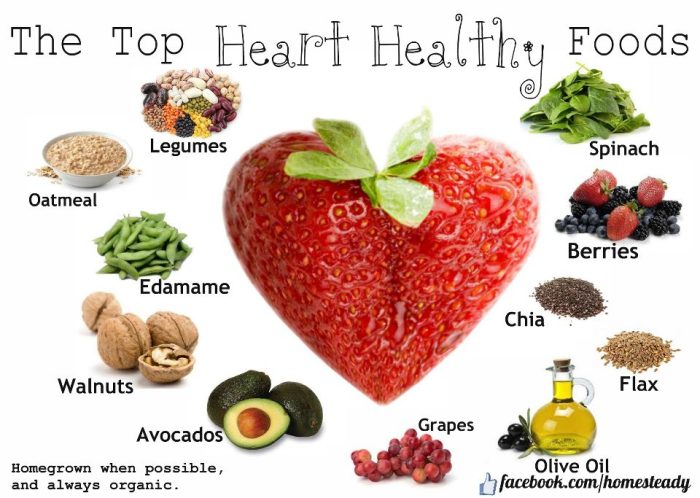
A balanced diet plays a crucial role in preventing chronic diseases, including heart conditions. By consuming a variety of nutrient-rich foods, individuals can reduce their risk of developing illnesses that can have long-lasting impacts on their health.
Examples of Chronic Illnesses Managed Through Dietary Choices
- Heart Disease: Incorporating heart-healthy foods like fruits, vegetables, whole grains, and lean proteins can help manage and prevent heart disease.
- Diabetes: Maintaining stable blood sugar levels through a balanced diet rich in fiber, complex carbohydrates, and healthy fats is essential for managing diabetes.
- Hypertension: Limiting sodium intake and focusing on potassium-rich foods like fruits and vegetables can help control high blood pressure.
Importance of Early Intervention Through Diet
Early intervention through diet is crucial in reducing the risk of chronic diseases. Making healthy dietary choices from a young age can have a significant impact on overall health and well-being, preventing the development of conditions that may require long-term management and treatment.
Immunity Boosters
Maintaining a healthy immune system is crucial for overall well-being, including heart health. A balanced diet plays a significant role in boosting immunity and protecting the body against illnesses.
Foods that Boost Immunity
- Citrus fruits: Rich in vitamin C, which is known to increase white blood cell production and enhance immune function.
- Leafy greens: Packed with antioxidants and vitamins that help reduce inflammation and support immune health.
- Berries: High in antioxidants that protect cells from damage and strengthen the immune system.
- Garlic: Contains compounds that have immune-boosting properties and may help fight infections.
- Yogurt: Probiotics in yogurt promote the growth of good bacteria in the gut, which is essential for a healthy immune system.
Role of Antioxidants and Vitamins
Antioxidants, such as vitamin E, vitamin C, and beta-carotene, help protect cells from damage caused by free radicals and support the immune system. Including a variety of colorful fruits and vegetables in your diet can provide a range of antioxidants essential for immune function.
Remember, a balanced diet rich in nutrients is key to maintaining a strong immune system and supporting heart health.
FAQs
Benefits of a balanced diet for heart health – Can a balanced diet really improve heart health?
Yes, a balanced diet rich in nutrients like fruits, vegetables, whole grains, and lean proteins can significantly improve heart health by reducing the risk of cardiovascular diseases.
How can I incorporate heart-healthy foods into my daily meals?
You can start by including more colorful fruits and vegetables, opting for whole grains, and choosing lean sources of protein like fish or legumes in your meals.
Is portion control important for maintaining a healthy diet?
Absolutely, portion control plays a crucial role in maintaining a healthy diet as it helps prevent overeating and ensures you are consuming the right amount of nutrients for your body.
What role does exercise play in conjunction with a balanced diet for heart health?
Regular exercise complements a balanced diet by improving cardiovascular health, boosting metabolism, and enhancing overall well-being, creating a holistic approach to heart health.
Can a balanced diet help prevent chronic diseases other than heart conditions?
Yes, a balanced diet can help prevent a range of chronic diseases such as diabetes, hypertension, and obesity, showcasing the profound impact of nutrition on long-term health.


More Stories
Importance of sleep for a strong immune system: Enhancing your health through quality rest
Best natural immunity boosters for adults: Enhancing Health Naturally
How to cope with the emotional impact of chronic diseases