Mental Wellness
Maintaining good mental wellness is crucial in reducing overall health risks. Our mental health affects how we think, feel, and act, impacting our physical health and well-being. Neglecting mental wellness can lead to increased stress, anxiety, and depression, which are risk factors for various chronic diseases.
Strategies for Improving Mental Wellness
- Practice mindfulness and meditation to reduce stress and promote relaxation.
- Engage in regular physical activity to boost mood and improve mental health.
- Connect with others and build strong social relationships for emotional support.
- Eat a balanced diet rich in nutrients to fuel both physical and mental well-being.
- Get an adequate amount of quality sleep to rejuvenate the mind and body.
Correlation between Mental Health and Preventive Care, How to reduce risk factors with preventive care
How to reduce risk factors with preventive care – Maintaining good mental health is closely linked to preventive care as it influences our behaviors and decision-making processes. Individuals with positive mental wellness are more likely to engage in healthy habits, such as regular exercise, balanced nutrition, and routine medical check-ups. Conversely, poor mental health can lead to neglecting preventive care measures, increasing the risk of developing chronic diseases.
Physical Fitness
Regular exercise plays a crucial role in reducing the risk factors associated with various health issues. Physical activity not only helps in maintaining a healthy weight but also improves cardiovascular health, strengthens muscles and bones, and enhances overall well-being.
Benefits of Regular Exercise
- Improves cardiovascular health by lowering blood pressure and cholesterol levels.
- Helps in weight management by burning calories and boosting metabolism.
- Strengthens muscles and bones, reducing the risk of osteoporosis and fractures.
- Boosts mood and mental health by releasing endorphins, reducing stress, and improving sleep.
Examples of Physical Activities
- Cardiovascular exercises such as running, swimming, or cycling.
- Strength training with weights or resistance bands.
- Flexibility exercises like yoga or Pilates.
Impact of Sedentary Lifestyle vs. Active Lifestyle
A sedentary lifestyle, characterized by prolonged sitting and lack of physical activity, can lead to an increased risk of obesity, heart disease, diabetes, and other chronic conditions. On the other hand, an active lifestyle that includes regular exercise not only reduces the risk of these health issues but also improves overall quality of life.
Healthy Eating
Healthy eating plays a crucial role in preventive care by providing essential nutrients that support overall health and reduce the risk of various diseases. A balanced diet consisting of a variety of foods can help boost immunity, maintain a healthy weight, and improve overall well-being.
Sample Meal Plan for Immunity Boosting and Chronic Disease Prevention
Creating a meal plan that focuses on immunity boosters and chronic disease prevention involves incorporating a variety of nutrient-dense foods into your daily diet. Here is a sample meal plan to help you get started:
- Breakfast: Overnight oats topped with berries, nuts, and seeds
- Snack: Greek yogurt with honey and sliced almonds
- Lunch: Grilled chicken salad with mixed greens, avocado, and vinaigrette dressing
- Snack: Carrot sticks with hummus
- Dinner: Baked salmon with quinoa and roasted vegetables
Include a variety of colorful fruits and vegetables, lean proteins, whole grains, and healthy fats in your meals to ensure you are getting a wide range of nutrients.
Relationship between Healthy Eating Habits and Holistic Wellness
Healthy eating habits are closely linked to holistic wellness as they support not only physical health but also mental and emotional well-being. A diet rich in nutrients can help improve mood, cognitive function, and energy levels, leading to an overall sense of vitality and balance.
Preventive Care
Preventive care plays a crucial role in maintaining overall health by focusing on identifying and addressing potential health issues before they become serious problems. By incorporating preventive care measures into your daily routine, you can significantly reduce the risk factors associated with various health conditions.
Preventive Care Measures
- Regular physical exams with your healthcare provider to monitor overall health and detect any potential issues early on.
- Maintaining a healthy lifestyle through regular exercise, balanced diet, and adequate sleep to support your body’s immune system.
- Staying up to date with vaccinations to prevent the spread of infectious diseases and protect yourself and others.
- Avoiding harmful habits such as smoking, excessive alcohol consumption, and drug use to reduce the risk of developing chronic conditions.
Preventive Screenings and Check-ups
- Annual blood pressure checks to monitor heart health and detect hypertension early.
- Regular cholesterol screenings to assess cardiovascular risk and prevent heart disease.
- Mammograms for women and prostate exams for men to screen for breast and prostate cancer, respectively.
- Colonoscopies for colorectal cancer screening starting at a certain age, as recommended by healthcare professionals.
Balanced Diet
Maintaining a balanced diet is crucial for reducing health risks and promoting overall well-being. A balanced diet consists of a variety of foods that provide essential nutrients to support proper body function and prevent diseases.
Nutrients for Balanced Diet
- Proteins: Essential for building and repairing tissues, hormones, and enzymes.
- Carbohydrates: Main source of energy for the body.
- Fats: Important for brain function and hormone production.
- Vitamins and Minerals: Support various bodily functions and help prevent deficiencies.
- Fiber: Aids in digestion and helps maintain a healthy weight.
Benefits of Balanced Diet
- Boosts Immunity: A balanced diet rich in nutrients helps strengthen the immune system, reducing the risk of infections and illnesses.
- Prevents Chronic Diseases: Consuming a variety of foods ensures that the body receives all the necessary nutrients to prevent chronic conditions like heart disease, diabetes, and cancer.
- Improves Overall Health: By providing the body with essential nutrients, a balanced diet supports overall health and well-being, leading to increased energy levels and better mood.
Regular Exercise
Regular exercise is a crucial component of preventive care that can significantly reduce the risk of various health conditions and improve overall well-being. Incorporating physical activity into your routine not only helps maintain a healthy weight but also boosts mood, strengthens muscles and bones, and enhances cardiovascular health.
Types of Exercises
- Cardiovascular exercises: Activities like walking, running, cycling, or swimming that elevate your heart rate and improve cardiovascular fitness.
- Strength training: Involves using weights or resistance bands to build muscle strength and endurance, which is essential for overall physical function.
- Flexibility exercises: Stretching routines that help improve flexibility, reduce the risk of injuries, and enhance range of motion.
- Balance exercises: Exercises like yoga or Tai Chi that promote stability and prevent falls, especially in older adults.
Benefits of Consistent Physical Activity
Regular physical activity not only helps in weight management but also reduces the risk of chronic diseases such as heart disease, diabetes, and certain types of cancer. It boosts energy levels, improves sleep quality, and enhances mental clarity and focus. Additionally, exercise releases endorphins, the feel-good hormones, which can alleviate stress, anxiety, and depression. Consistent exercise can also strengthen the immune system, leading to a reduced susceptibility to infections and illnesses.
Mental Health
Mental health plays a crucial role in preventive care as it directly impacts our overall well-being. Taking care of our mental health can help reduce the risk of various health issues and improve our quality of life.
Relationship between Mental Health and Preventive Care
Maintaining good mental health is essential for preventive care as it helps in reducing stress levels, improving decision-making abilities, and enhancing overall resilience. By addressing mental health issues proactively, individuals can better cope with challenges and prevent the onset of physical health problems.
Impact of Stress Management on Reducing Health Risks
Stress management is a key component of preventive care as chronic stress can lead to a range of health issues such as heart disease, hypertension, and weakened immune system. By implementing stress-reducing techniques like mindfulness, exercise, and relaxation practices, individuals can lower their risk of developing these conditions and promote overall well-being.
Strategies for Improving Mental Health
- Engage in regular physical exercise to release endorphins and reduce stress levels.
- Practice mindfulness and relaxation techniques to calm the mind and improve mental clarity.
- Seek support from friends, family, or a mental health professional when needed to address any emotional concerns.
- Ensure an adequate amount of sleep to promote cognitive function and emotional regulation.
- Engage in activities that bring joy and relaxation, such as hobbies, reading, or spending time in nature.
Holistic Wellness: How To Reduce Risk Factors With Preventive Care
Holistic wellness is the concept of treating the whole person, addressing not only physical health but also mental, emotional, and spiritual well-being. In preventive care, holistic approaches play a crucial role in promoting overall health and reducing the risk factors for various illnesses.
Benefits of Holistic Wellness in Preventive Care
- Enhanced overall well-being: By focusing on all aspects of health, including mental and emotional well-being, holistic wellness can lead to a more balanced and fulfilling life.
- Reduced stress and anxiety: Holistic practices such as meditation, yoga, and mindfulness can help manage stress levels and promote mental clarity.
- Improved immune function: A holistic approach to health can boost the immune system, making the body more resilient to illness and disease.
- Better energy levels: By incorporating practices like regular exercise, healthy eating, and adequate rest, holistic wellness can increase energy and vitality.
- Prevention of chronic diseases: Addressing lifestyle factors and emotional well-being can reduce the risk of chronic conditions like heart disease, diabetes, and obesity.
Chronic Diseases
Chronic diseases are long-term health conditions that often develop slowly and persist over time. These diseases can significantly impact a person’s quality of life and may lead to complications if not properly managed. Preventive care plays a crucial role in reducing the risk factors associated with chronic diseases.
Common Chronic Diseases and Preventive Care
- Heart Disease: Regular exercise, maintaining a healthy weight, and managing stress can help prevent heart disease. Screening for high blood pressure and cholesterol levels can also aid in early detection.
- Diabetes: A balanced diet, regular physical activity, and monitoring blood sugar levels are essential in preventing diabetes. Regular check-ups with healthcare providers can help in early intervention.
- Cancer: Avoiding tobacco use, maintaining a healthy weight, and getting regular screenings can reduce the risk of developing cancer. Vaccinations against certain types of cancer, such as HPV, are also recommended.
Lifestyle Changes for Chronic Disease Prevention
- Quit smoking and avoid exposure to secondhand smoke.
- Eat a nutritious diet rich in fruits, vegetables, whole grains, and lean proteins.
- Engage in regular physical activity, aiming for at least 150 minutes per week.
- Maintain a healthy weight to reduce the risk of obesity-related chronic diseases.
Importance of Early Intervention in Chronic Disease Prevention
Regular health screenings and check-ups can help detect early signs of chronic diseases, allowing for timely intervention and management. Early detection not only increases the chances of successful treatment but also helps in preventing complications associated with advanced stages of chronic diseases.
Immunity Boosters
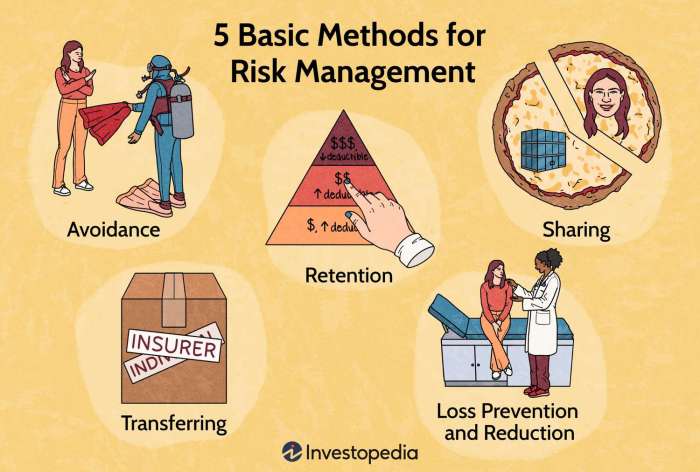
Boosting your immunity is essential for reducing the risk of infections and diseases. By incorporating natural immunity boosters, focusing on nutrition, and adopting healthy lifestyle habits, you can strengthen your immune system for overall health and wellness.
Natural Immunity Boosters
- Include foods rich in vitamin C, such as citrus fruits, strawberries, and bell peppers, to support immune function.
- Garlic, ginger, and turmeric have anti-inflammatory and antimicrobial properties that can help fight off infections.
- Probiotics found in yogurt, kefir, and fermented foods promote a healthy gut, which is crucial for immune health.
Role of Nutrition in Immunity
- A well-balanced diet that includes a variety of fruits, vegetables, whole grains, and lean proteins provides essential nutrients for a strong immune system.
- Omega-3 fatty acids found in fish, flaxseeds, and walnuts help reduce inflammation and support immune response.
- Adequate hydration with water, herbal teas, and broths is important for maintaining immune function.
Lifestyle Habits for a Strong Immune System
- Regular exercise, such as brisk walking, cycling, or yoga, can boost immunity by improving circulation and reducing stress.
- Getting enough sleep is crucial for immune function, as restorative rest allows the body to repair and regenerate cells.
- Managing stress through meditation, deep breathing exercises, or hobbies can help lower inflammation and strengthen immunity.
Q&A
How often should I schedule preventive screenings?
It is recommended to consult with your healthcare provider to determine the frequency of preventive screenings based on your age, medical history, and risk factors.
Can preventive care really help in avoiding chronic diseases?
Yes, preventive care plays a significant role in reducing the risk of developing chronic diseases by focusing on early detection and lifestyle modifications.
Are there specific exercises that are more beneficial for preventive care?
Exercises that combine cardiovascular, strength training, and flexibility components are ideal for preventive care as they promote overall physical fitness and well-being.


More Stories
Affordable Preventive Care: Options for the Uninsured
Chronic disease management through telemedicine: Enhancing Healthcare Remotely