Mental Wellness
Best physical fitness retreats and boot camps – When embarking on a fitness retreat, mental wellness plays a crucial role in achieving overall health and well-being. It is not just about physical exercise, but also about nourishing the mind and soul.
Integration of Mental Wellness Activities
Mental wellness activities are seamlessly integrated into fitness programs to provide a holistic approach to health. These activities may include mindfulness meditation, yoga sessions, nature walks, stress-relief workshops, and journaling exercises.
Benefits of Mental Wellness in a Retreat
- Improved stress management: Engaging in mental wellness activities can help reduce stress levels, promoting a sense of calm and relaxation.
- Enhanced focus and clarity: By taking time to prioritize mental well-being, retreat participants can improve their focus and clarity of mind, aiding in decision-making and productivity.
- Emotional balance: Mental wellness activities can help individuals regulate their emotions, leading to a greater sense of emotional stability and resilience.
- Increased overall well-being: When mental wellness is prioritized alongside physical fitness, participants experience a more balanced and fulfilling lifestyle, leading to improved overall health outcomes.
Physical Fitness
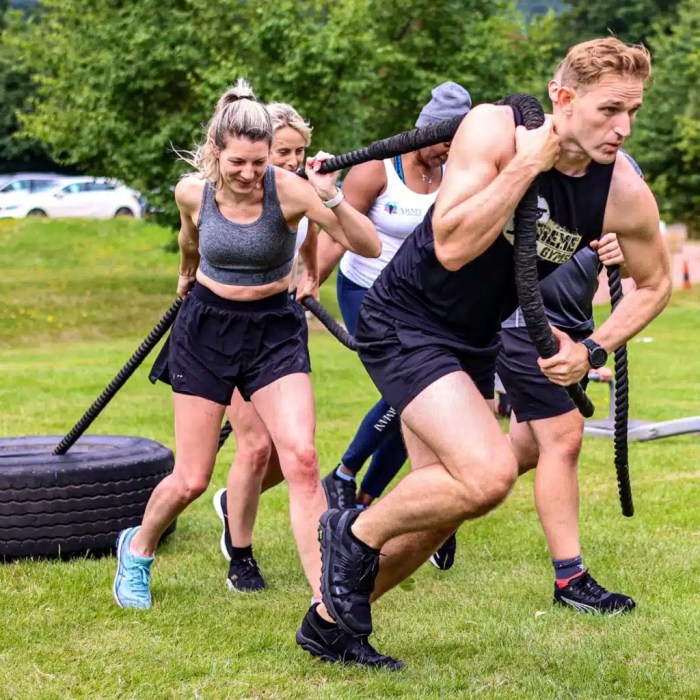
When it comes to physical fitness, retreats and boot camps offer a wide range of activities to help participants reach their goals and improve their overall health.
Types of Fitness Activities
- Cardiovascular exercises such as running, cycling, and swimming
- Strength training with weights, resistance bands, or bodyweight exercises
- Flexibility and mobility exercises like yoga and stretching
- High-intensity interval training (HIIT) for a quick and effective workout
- Outdoor activities such as hiking, obstacle courses, and team sports
Personalized Fitness Plans
Professional trainers at these retreats and boot camps work closely with participants to create personalized fitness plans tailored to their individual needs and goals. These plans take into account factors such as fitness level, age, any existing injuries or medical conditions, and personal preferences.
Role of Professional Trainers
- Guiding participants through proper exercise techniques to prevent injuries
- Motivating and encouraging participants to push past their limits
- Monitoring progress and making adjustments to the fitness plan as needed
- Providing education on nutrition and healthy lifestyle choices to complement the fitness routines
Healthy Eating
Eating healthily plays a crucial role in a physical fitness retreat as it provides the necessary nutrients to fuel the body for exercise, aids in recovery, and supports overall well-being. By following a balanced diet, participants can optimize their performance, achieve fitness goals, and enhance their overall experience at the retreat.
Common Meal Plans and Dietary Guidelines
- Meal plans at fitness retreats often include a variety of whole foods such as lean proteins, fruits, vegetables, whole grains, and healthy fats.
- Portion control is emphasized to ensure that participants are consuming the right amount of nutrients without overeating.
- Dietary guidelines typically focus on minimizing processed foods, sugary drinks, and unhealthy fats to promote optimal health and fitness.
- Hydration is also a key component, with retreats encouraging participants to drink plenty of water throughout the day.
Tips for Maintaining a Balanced Diet, Best physical fitness retreats and boot camps
- Start your day with a nutritious breakfast to kickstart your metabolism and provide energy for the day’s activities.
- Include a variety of colorful fruits and vegetables in your meals to ensure you are getting a range of vitamins and minerals.
- Choose lean proteins such as chicken, fish, tofu, or legumes to support muscle recovery and growth.
- Avoid skipping meals and aim for regular, balanced meals and snacks to keep your energy levels stable.
- Listen to your body’s hunger and fullness cues to avoid overeating or undereating during your retreat.
Preventive Care
Preventive care is a crucial aspect of fitness retreats to ensure participants can engage in physical activities safely and effectively.
Screening Processes and Health Assessments
Before starting any fitness program, participants undergo thorough screening processes and health assessments to identify any underlying health issues or physical limitations.
- Medical history review: Participants provide detailed information about their medical history, current medications, and any existing conditions.
- Physical examination: A qualified healthcare professional conducts a physical examination to assess overall health and fitness levels.
- Fitness assessment: Various tests, such as cardiovascular endurance, flexibility, and strength assessments, are performed to determine baseline fitness levels.
- Injury risk assessment: Specific tests may be conducted to evaluate the risk of injuries during physical activities.
Importance of Injury Prevention Techniques
Implementing injury prevention techniques is essential to minimize the risk of injuries during physical activities and promote long-term health and wellness.
- Proper warm-up and cool-down: Participants are guided through adequate warm-up and cool-down routines to prepare the body for exercise and prevent muscle strain.
- Correct form and technique: Trained instructors emphasize the importance of maintaining proper form and technique during exercises to prevent injuries.
- Progressive training: Gradual progression in intensity and duration of workouts helps prevent overuse injuries and allows for proper adaptation.
- Rest and recovery: Adequate rest periods between sessions are essential for muscle recovery and injury prevention.
Balanced Diet: Best Physical Fitness Retreats And Boot Camps
A balanced diet is crucial for participants at a fitness retreat as it provides the necessary nutrients to support overall health and optimize physical performance. By incorporating a variety of food groups in the right proportions, individuals can maintain energy levels, regulate metabolism, and improve recovery after workouts.
Nutrient-Rich Foods
- Lean proteins such as chicken, fish, tofu, and legumes provide essential amino acids for muscle repair and growth.
- Whole grains like quinoa, brown rice, and oats offer sustained energy release and fiber for digestive health.
- Fruits and vegetables rich in vitamins, minerals, and antioxidants support immune function and reduce inflammation.
- Healthy fats from sources like avocado, nuts, and olive oil are essential for hormone production and absorption of fat-soluble vitamins.
- Dairy or dairy alternatives provide calcium for bone health and protein for muscle maintenance.
Impact on Energy and Performance
A balanced diet directly influences energy levels and performance during physical activities. Proper nutrition ensures adequate fuel for workouts, enhances endurance, and speeds up recovery. Nutrient-rich foods supply the body with vitamins and minerals necessary for optimal functioning, supporting muscle growth and repair. By maintaining a balanced diet, participants can experience improved strength, stamina, and overall fitness levels throughout their retreat experience.
Regular Exercise
Regular exercise is a crucial component of any fitness retreat routine, offering a wide range of benefits for physical health and mental well-being. Engaging in regular physical activity not only helps in achieving fitness goals but also plays a key role in preventing various health conditions.
Benefits of Regular Exercise
- Improves cardiovascular health by strengthening the heart and improving circulation.
- Enhances muscle strength and flexibility, leading to better overall physical performance.
- Boosts mood and reduces stress levels through the release of endorphins, promoting mental wellness.
- Aids in weight management by burning calories and increasing metabolism.
- Helps in maintaining bone density and reducing the risk of osteoporosis.
Frequency and Duration of Exercise Sessions
At fitness retreats, exercise sessions are typically scheduled daily, with a duration ranging from 60 to 90 minutes per session. This frequency allows participants to engage in a variety of activities, including cardio, strength training, yoga, and outdoor workouts. The structured approach ensures that individuals receive a well-rounded fitness experience tailored to their needs.
Contribution to Long-term Health
- Regular exercise plays a vital role in preventing chronic diseases such as heart disease, diabetes, and obesity.
- Improves overall quality of life by enhancing physical fitness, mental well-being, and longevity.
- Helps in maintaining a healthy body weight and reducing the risk of age-related health issues.
Mental Health
Maintaining good mental health is crucial for overall well-being and is closely linked to physical fitness. When we engage in regular exercise and follow a balanced diet, our bodies release endorphins and other chemicals that help to reduce stress, anxiety, and depression. Physical activity also promotes better sleep, boosts self-esteem, and enhances cognitive function, all of which contribute to positive mental health outcomes.
Strategies for Improving Mental Health during a Retreat
- Offering mindfulness and meditation sessions to help participants relax and reduce stress levels.
- Incorporating outdoor activities like hiking or yoga to promote a sense of calm and connection with nature.
- Providing workshops and group therapy sessions to address underlying emotional issues and promote self-reflection.
- Encouraging social interaction and support among participants to foster a sense of belonging and community.
Success Stories of Improved Mental Health Outcomes
“After attending a fitness retreat and focusing on my physical health, I noticed a significant improvement in my mental well-being. I felt more energized, confident, and positive about life in general.”
“The combination of exercise, healthy eating, and mental wellness activities during the retreat helped me overcome my anxiety and develop coping mechanisms that I still use today.”
Holistic Wellness
Holistic wellness within a fitness retreat framework involves addressing the overall well-being of an individual, focusing not only on physical fitness but also on mental, emotional, and spiritual health. It emphasizes the interconnectedness of mind, body, and spirit to achieve optimal health and balance.
Incorporating Holistic Approaches
Holistic approaches are incorporated into fitness programs by offering a variety of activities that cater to different aspects of wellness. This can include yoga and meditation sessions to promote mental clarity and emotional balance, nutrition workshops to educate participants on healthy eating habits, and outdoor adventures to connect with nature and rejuvenate the spirit.
- Yoga and Meditation: These practices help reduce stress, improve mindfulness, and enhance emotional well-being.
- Nutrition Workshops: Educate participants on the importance of a balanced diet and how food choices impact overall health.
- Outdoor Activities: Engage in nature-based activities to boost energy levels, reduce anxiety, and enhance spiritual connection.
Holistic Benefits of Addressing Mind, Body, and Spirit
Addressing mind, body, and spirit during a retreat offers numerous benefits, such as improved mental clarity, increased physical strength, and a greater sense of inner peace and balance. By taking a holistic approach, individuals can experience overall well-being and long-lasting positive effects on their health.
By integrating holistic practices into fitness retreats, participants can achieve a deeper level of wellness that encompasses all aspects of their being.
Chronic Diseases

Chronic diseases are long-term health conditions that require ongoing management and care. Fitness retreats play a crucial role in catering to individuals with chronic diseases by offering specialized programs and modifications to meet their unique needs.
Specialized Programs and Modifications
Fitness retreats often provide tailored exercise routines and wellness programs for participants with chronic diseases such as diabetes, heart disease, arthritis, or obesity. These programs may include low-impact exercises, nutritional counseling, stress management techniques, and personalized health assessments to ensure safe and effective progress.
- Participants with diabetes may benefit from programs that focus on blood sugar management through specific exercises and meal planning.
- Individuals with heart disease may engage in cardio workouts under the supervision of fitness experts to improve cardiovascular health.
- Those with arthritis may participate in gentle stretching exercises and joint-friendly activities to reduce pain and stiffness.
Support in Managing Chronic Diseases
Fitness retreats offer a supportive environment where individuals with chronic diseases receive guidance, encouragement, and motivation to make positive lifestyle changes. Trained instructors and health professionals work closely with participants to monitor their progress, adjust programs as needed, and provide educational resources on disease management.
Fitness retreats empower individuals with chronic diseases to take control of their health and well-being through personalized programs and ongoing support.
Immunity Boosters
Immunity boosters play a crucial role in enhancing health outcomes at retreats by strengthening the body’s defense mechanisms against illnesses and infections. By incorporating immune-boosting activities and practices, retreat participants can experience improved overall well-being and vitality.
Examples of Immune-Boosting Activities or Practices
- Outdoor exercises such as hiking, yoga, and meditation to reduce stress levels and boost immune function.
- Nutrition workshops focusing on incorporating immune-boosting foods like fruits, vegetables, and probiotics into daily meals.
- Guided mindfulness sessions to promote relaxation and reduce inflammation, thereby supporting the immune system.
Benefits of Boosting Immunity
Boosting immunity contributes to overall well-being and vitality by:
- Reducing the risk of infections and illnesses, leading to fewer sick days and improved productivity.
- Enhancing the body’s ability to fight off pathogens, keeping individuals healthy and energetic.
- Promoting a balanced and resilient immune system, crucial for long-term health and disease prevention.
Top FAQs
What types of fitness activities are offered at retreats?
Retreats offer a variety of activities such as hiking, yoga, strength training, and cardio workouts to cater to different fitness levels.
How are personalized fitness plans created?
Professional trainers assess individual needs and goals to tailor fitness plans that are effective and sustainable.
Why is mental wellness important in a fitness retreat setting?
Mental wellness activities help participants de-stress, focus, and improve their overall well-being, enhancing the retreat experience.
Do fitness retreats accommodate individuals with chronic diseases?
Yes, fitness retreats often provide specialized programs and modifications to support participants with chronic health conditions.
How does a balanced diet impact energy levels during a retreat?
A balanced diet provides essential nutrients to fuel physical activities and maintain optimal energy levels throughout the retreat.


More Stories