Chronic diseases prevention tips for seniors and aging adults are essential for maintaining a healthy and fulfilling life in later years. As we age, our bodies become more susceptible to chronic conditions, such as heart disease, diabetes, and arthritis. However, by adopting a proactive approach to health, seniors can significantly reduce their risk of developing these diseases and improve their overall well-being.
This guide provides a comprehensive overview of essential strategies for preventing chronic diseases in seniors, covering aspects like physical fitness, healthy eating, preventive care, mental health, and holistic wellness. We’ll explore practical tips, actionable steps, and valuable insights that can empower seniors to take control of their health and enjoy a vibrant and active later life.
Understanding Chronic Diseases in Seniors
As we age, our bodies become more susceptible to chronic diseases, which are long-term health conditions that require ongoing management. These diseases can significantly impact our quality of life, affecting our physical health, mental well-being, and overall independence. Understanding these conditions, their risk factors, and the importance of early detection is crucial for seniors and their loved ones.
Common Chronic Diseases Affecting Seniors
Chronic diseases are prevalent among older adults, and their impact on overall health and well-being cannot be overstated. These conditions can lead to limitations in daily activities, increased healthcare costs, and a decline in quality of life.
- Heart Disease:This encompasses various conditions affecting the heart, including coronary artery disease, heart failure, and stroke. Risk factors include high blood pressure, high cholesterol, smoking, and diabetes.
- Cancer:This is a leading cause of death among older adults, with common types including lung, colorectal, breast, and prostate cancer. Risk factors vary depending on the type of cancer but can include family history, lifestyle choices, and environmental exposures.
- Diabetes:This condition affects how the body regulates blood sugar levels. Type 2 diabetes, the most common type in older adults, is often linked to obesity, lack of physical activity, and family history.
- Arthritis:This group of conditions affects the joints, causing pain, stiffness, and inflammation. Osteoarthritis, the most common type, is a degenerative condition, while rheumatoid arthritis is an autoimmune disorder.
- Chronic Obstructive Pulmonary Disease (COPD):This condition affects the lungs, making it difficult to breathe. It is often caused by long-term exposure to irritants such as cigarette smoke.
- Alzheimer’s Disease and Other Dementias:These progressive brain disorders affect memory, thinking, and behavior, leading to significant challenges in daily life.
Impact of Chronic Diseases on Overall Health and Quality of Life, Chronic diseases prevention tips for seniors and aging adults
Chronic diseases can have a profound impact on an individual’s overall health and quality of life. The effects can be both physical and emotional, affecting daily activities, relationships, and overall well-being.
- Physical Limitations:Many chronic diseases cause pain, stiffness, fatigue, and weakness, making it difficult to perform everyday tasks such as walking, climbing stairs, or carrying groceries.
- Increased Healthcare Costs:Managing chronic diseases often requires regular medical visits, medications, and specialized treatments, which can significantly increase healthcare costs.
- Emotional Distress:Living with a chronic disease can be emotionally challenging, leading to anxiety, depression, and feelings of isolation.
- Social Isolation:The physical limitations and emotional challenges associated with chronic diseases can lead to social isolation, as individuals may find it difficult to participate in activities they once enjoyed.
Importance of Early Detection and Intervention
Early detection and intervention are crucial for managing chronic diseases effectively and improving outcomes. Identifying these conditions early allows for timely treatment and lifestyle modifications, which can help prevent complications and slow disease progression.
- Preventative Measures:Adopting a healthy lifestyle, including regular exercise, a balanced diet, and maintaining a healthy weight, can significantly reduce the risk of developing chronic diseases.
- Regular Check-ups:Routine medical check-ups and screenings are essential for detecting chronic diseases in their early stages.
- Early Treatment:Early treatment can help prevent complications and slow disease progression, improving overall health and quality of life.
Physical Fitness for Seniors
Staying physically active is crucial for seniors, as it helps maintain overall health and well-being. However, it’s essential to consider age-related limitations and potential health conditions. With proper planning and guidance, seniors can design a safe and effective exercise routine that meets their individual needs and goals.
Sample Exercise Routine for Seniors
A balanced exercise routine for seniors should incorporate low-impact exercises, strength training, and flexibility exercises. Here’s a sample routine that can be adapted based on individual fitness levels and preferences:
- Warm-up:Begin with 5-10 minutes of light cardio, such as walking, arm circles, or leg swings. This prepares your muscles for activity and reduces the risk of injury.
- Low-impact Cardio:Engage in 20-30 minutes of low-impact activities like swimming, cycling, or water aerobics. These activities provide cardiovascular benefits without putting excessive strain on joints.
- Strength Training:Incorporate strength training exercises 2-3 times a week. Use light weights, resistance bands, or your own body weight to work major muscle groups like legs, arms, and back. Focus on controlled movements and proper form.
- Flexibility Exercises:Stretch regularly to improve range of motion and reduce stiffness. Hold each stretch for 15-30 seconds, and repeat 2-3 times. Gentle yoga or tai chi are excellent options for flexibility.
- Cool-down:End your workout with 5-10 minutes of light stretching or slow walking to help your body recover and prevent muscle soreness.
Benefits of Regular Physical Activity for Seniors
Regular physical activity offers numerous benefits for seniors, including:
- Improved Cardiovascular Health:Exercise strengthens the heart and improves blood circulation, reducing the risk of heart disease, stroke, and other cardiovascular problems.
- Increased Muscle Strength:Strength training helps maintain muscle mass, which declines with age. Stronger muscles improve balance, coordination, and overall mobility.
- Enhanced Balance and Coordination:Exercise improves balance and coordination, reducing the risk of falls and injuries. This is particularly important for seniors who may be more prone to falls due to age-related changes.
- Improved Bone Density:Weight-bearing exercises like walking, jogging, and dancing help increase bone density, reducing the risk of osteoporosis and fractures.
- Reduced Risk of Chronic Diseases:Regular physical activity can help prevent or manage chronic diseases such as diabetes, arthritis, and some types of cancer.
- Improved Mental Health:Exercise releases endorphins, which have mood-boosting effects. Physical activity can also reduce stress, anxiety, and depression.
- Better Sleep Quality:Regular exercise can improve sleep quality, leading to more restful nights and better overall health.
Healthy Eating for Seniors: Chronic Diseases Prevention Tips For Seniors And Aging Adults

Maintaining a balanced diet is crucial for seniors to ensure optimal health and well-being. As we age, our bodies undergo changes that may affect our nutritional needs and dietary habits. A well-planned diet can help prevent chronic diseases, manage weight, and enhance overall quality of life.
Nutrient-Rich Foods and Portion Control
A balanced diet for seniors should prioritize nutrient-rich foods that provide essential vitamins, minerals, and antioxidants. It is important to consume a variety of foods from all food groups in appropriate portions.
- Fruits and Vegetables:Aim for at least five servings of fruits and vegetables daily. These foods are rich in fiber, vitamins, and minerals that support digestion, heart health, and immune function. Choose a variety of colors and types to maximize nutrient intake.
- Whole Grains:Choose whole grains over refined grains, such as brown rice, quinoa, and whole-wheat bread. Whole grains are a good source of fiber, which aids digestion and helps regulate blood sugar levels.
- Lean Protein:Include lean protein sources in your diet, such as fish, poultry, beans, lentils, and tofu. Protein is essential for maintaining muscle mass, repairing tissues, and supporting immune function.
- Healthy Fats:Incorporate healthy fats into your diet, such as those found in olive oil, avocados, nuts, and fatty fish. These fats are beneficial for heart health and brain function.
- Dairy or Dairy Alternatives:Choose low-fat or fat-free dairy products, such as milk, yogurt, and cheese. Dairy provides calcium and vitamin D, which are essential for bone health. If you are lactose intolerant, opt for dairy alternatives like almond milk or soy milk.
Portion control is essential for maintaining a healthy weight and preventing overeating.
Use a smaller plate, measure out portions, and avoid eating directly from containers.
Managing Weight and Preventing Obesity
As we age, our metabolism slows down, and our appetite may decrease. This can lead to weight gain if we don’t adjust our eating habits. It is important to manage weight to reduce the risk of chronic diseases such as heart disease, type 2 diabetes, and certain types of cancer.
- Regular Physical Activity:Engaging in regular physical activity is crucial for weight management and overall health. Aim for at least 30 minutes of moderate-intensity exercise most days of the week.
- Calorie Control:Pay attention to your calorie intake and make sure you are consuming a balanced diet that meets your individual needs. If you are trying to lose weight, aim for a calorie deficit of 500-1000 calories per day.
- Limit Processed Foods and Sugary Drinks:Processed foods are often high in calories, unhealthy fats, and added sugars. Limit your intake of these foods and opt for whole, unprocessed foods instead. Avoid sugary drinks, such as soda, juice, and sweetened coffee and tea.
Importance of Hydration
Staying hydrated is crucial for overall health, especially for seniors. As we age, our thirst mechanism may become less sensitive, making it easier to become dehydrated. Dehydration can lead to various health problems, including constipation, urinary tract infections, and heat stroke.
- Daily Water Intake:Aim to drink eight glasses of water per day. You may need to adjust your intake based on your activity level and climate.
- Other Fluids:Besides water, you can also stay hydrated by consuming other fluids such as unsweetened tea, broth, and fruit juice in moderation.
- Signs of Dehydration:Be aware of the signs of dehydration, such as dry mouth, fatigue, dizziness, and decreased urination. If you experience any of these symptoms, drink plenty of fluids immediately.
Preventive Care for Seniors
As you age, preventive care becomes increasingly important for maintaining your health and well-being. Regular checkups, screenings, and vaccinations can help identify potential health issues early, allowing for timely intervention and better management of chronic conditions.
Essential Preventive Screenings and Vaccinations
Preventive screenings and vaccinations are essential for early detection and prevention of various health problems. Here is a checklist of recommended screenings and vaccinations for seniors:
- Blood Pressure:Regular blood pressure checks are crucial to monitor for hypertension, a common condition among seniors that can lead to heart disease and stroke.
- Cholesterol:Regular cholesterol checks help monitor for high cholesterol, which can increase the risk of heart disease.
- Blood Sugar:Regular blood sugar checks are essential for detecting diabetes, a condition that can lead to complications like heart disease, stroke, and kidney failure.
- Colorectal Cancer Screening:Colonoscopies are recommended for individuals over 50 to screen for colorectal cancer, a common cancer among seniors.
- Mammograms:Mammograms are recommended for women over 50 to screen for breast cancer.
- Prostate Cancer Screening:Prostate-specific antigen (PSA) tests are recommended for men over 50 to screen for prostate cancer.
- Bone Density Test:Bone density tests are recommended for women over 65 and men over 70 to screen for osteoporosis, a condition that weakens bones and increases the risk of fractures.
- Flu Vaccine:Annual flu vaccinations are crucial for seniors, as they are more susceptible to severe flu complications.
- Pneumonia Vaccine:Pneumonia vaccines are recommended for seniors, as they are more susceptible to pneumonia, a serious lung infection.
- Shingles Vaccine:Shingles vaccines are recommended for adults over 50 to prevent shingles, a painful rash caused by the same virus that causes chickenpox.
Regular Medical Checkups
Regular medical checkups are essential for monitoring your overall health and identifying any potential health issues early. During a checkup, your healthcare provider will:
- Review your medical history and any current health concerns.
- Conduct a physical examination, including checking your blood pressure, heart rate, and weight.
- Order necessary laboratory tests, such as blood work and urine tests.
- Discuss any medications you are taking and make sure they are appropriate for your current health status.
- Provide you with personalized health advice and recommendations.
Open Communication with Healthcare Providers
Maintaining open communication with your healthcare provider is crucial for effective management of your health. Don’t hesitate to ask questions about your health, medications, or any concerns you may have.
Early Detection and Intervention
Early detection and intervention are crucial for managing health conditions effectively. By identifying potential health issues early, you can often prevent them from progressing and causing serious complications.
“Early detection and intervention are key to successful management of chronic diseases in seniors.”
Mental Health and Wellness for Seniors
Maintaining good mental health and emotional well-being is crucial for seniors as they age. It can significantly impact their overall quality of life, enabling them to live independently, engage in fulfilling activities, and build strong relationships.
Coping with Stress, Anxiety, and Depression
Stress, anxiety, and depression are common mental health challenges that seniors may face. It’s important to recognize these conditions and seek appropriate support.
- Identify triggers:Recognizing what triggers stress, anxiety, or depression can help seniors develop strategies to manage these feelings. For example, if social isolation contributes to feelings of loneliness, they can focus on building social connections.
- Engage in relaxation techniques:Practicing relaxation techniques like deep breathing, meditation, or yoga can help calm the mind and reduce stress. These practices can be incorporated into daily routines.
- Seek professional help:If stress, anxiety, or depression become overwhelming, seniors should reach out to a mental health professional for guidance and support. Therapists can provide evidence-based treatments like cognitive-behavioral therapy (CBT) to help manage these conditions.
Promoting Social Engagement
Social engagement is vital for maintaining mental well-being and preventing social isolation.
- Join social groups:Participating in social groups, clubs, or community activities can provide opportunities for seniors to connect with others who share similar interests. Examples include book clubs, gardening groups, or senior centers.
- Stay connected with family and friends:Regularly connecting with family and friends, whether in person or through phone calls or video chats, can help maintain social connections and reduce feelings of loneliness.
- Volunteer:Volunteering offers a sense of purpose, social connection, and opportunities to learn new skills. Seniors can volunteer at local organizations, schools, or hospitals.
Maintaining Cognitive Function
Cognitive function refers to the mental processes involved in thinking, learning, and remembering. As people age, their cognitive abilities may decline, but there are strategies to help maintain and even improve these functions.
- Engage in mentally stimulating activities:Activities like reading, puzzles, playing games, or learning new skills can challenge the brain and help maintain cognitive function. Examples include crosswords, Sudoku, or taking online courses.
- Stay physically active:Physical activity has been shown to improve blood flow to the brain, which can enhance cognitive function. Regular exercise can also reduce the risk of cognitive decline.
- Manage chronic conditions:Chronic conditions like diabetes, high blood pressure, or heart disease can negatively impact cognitive function. Managing these conditions through medication and lifestyle changes can help protect cognitive health.
Holistic Wellness for Seniors
Holistic wellness for seniors goes beyond addressing individual health concerns. It encompasses a comprehensive approach that prioritizes overall well-being, encompassing physical, mental, emotional, and spiritual aspects. By embracing a holistic approach, seniors can enhance their quality of life and potentially increase their lifespan.
Complementary and Alternative Medicine Practices
Integrating complementary and alternative medicine (CAM) practices into senior health regimens can offer a multifaceted approach to well-being. These practices often focus on natural methods to address health concerns and promote overall wellness.
- Acupuncture:This traditional Chinese medicine technique involves inserting thin needles into specific points on the body to stimulate energy flow and alleviate pain. Research suggests acupuncture may be effective in managing chronic pain, reducing anxiety, and improving sleep quality in seniors.
- Yoga:This practice combines physical postures, breathing techniques, and meditation to enhance flexibility, balance, and stress reduction. Studies have shown that yoga can improve cardiovascular health, reduce falls risk, and enhance mental clarity in older adults.
- Herbal Supplements:While it’s crucial to consult with a healthcare provider before taking any herbal supplements, some may offer potential benefits for seniors. For example, ginger can help alleviate nausea, turmeric may have anti-inflammatory properties, and ginseng can potentially boost cognitive function.
Stress Management Techniques, Mindfulness, and Relaxation Practices
Managing stress effectively is crucial for seniors’ well-being. Chronic stress can contribute to various health problems, including heart disease, depression, and weakened immune function. Mindfulness and relaxation practices can help seniors develop coping mechanisms to navigate stress.
- Mindfulness Meditation:This practice involves focusing on the present moment without judgment, allowing seniors to cultivate a sense of calm and awareness. Studies have shown that mindfulness meditation can reduce anxiety, improve sleep, and enhance emotional regulation in older adults.
- Deep Breathing Exercises:Simple breathing techniques, such as diaphragmatic breathing, can promote relaxation and reduce stress levels. Deep breathing helps regulate the nervous system, reducing heart rate and blood pressure, leading to a sense of calmness.
- Progressive Muscle Relaxation:This technique involves systematically tensing and relaxing different muscle groups in the body, helping seniors release physical tension and promote relaxation. It can be particularly beneficial for managing chronic pain and improving sleep quality.
Activities Promoting Overall Well-Being
Engaging in activities that bring joy and fulfillment is essential for maintaining a positive outlook and enhancing overall well-being.
- Gardening:Engaging in gardening provides physical activity, fresh air, and a sense of accomplishment. It can also be a social activity, fostering connections with others.
- Music Therapy:Listening to or playing music can evoke positive emotions, reduce stress, and enhance cognitive function. Music therapy can be particularly beneficial for individuals with dementia or Alzheimer’s disease.
- Art Therapy:Creative expression through art can be a powerful tool for self-expression, stress reduction, and cognitive stimulation. Art therapy can help seniors process emotions, enhance communication, and improve self-esteem.
Outcome Summary
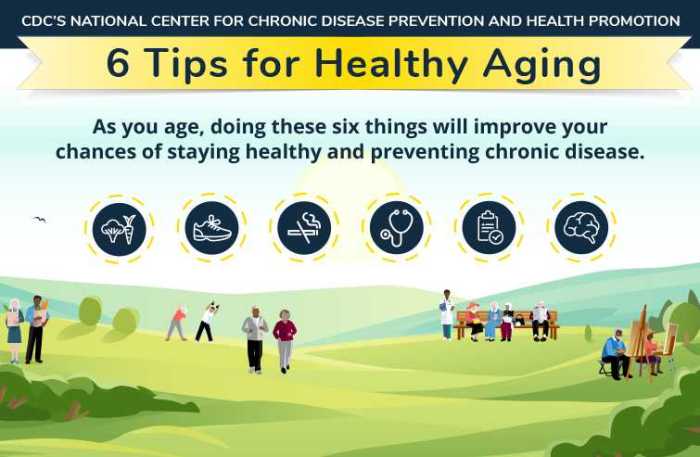
By embracing a holistic approach to health, seniors can significantly reduce their risk of developing chronic diseases and enjoy a higher quality of life. This guide has highlighted key strategies for maintaining physical fitness, adopting a healthy diet, prioritizing preventive care, nurturing mental well-being, and incorporating holistic practices.
Remember, every step you take towards a healthier lifestyle contributes to a brighter and more fulfilling future.
Top FAQs
What are some common chronic diseases affecting seniors?
Common chronic diseases in seniors include heart disease, stroke, diabetes, arthritis, osteoporosis, and dementia.
How can I stay active if I have limited mobility?
Even with limited mobility, you can engage in low-impact exercises like walking, swimming, water aerobics, chair yoga, and tai chi.
What are some healthy food choices for seniors?
Focus on fruits, vegetables, whole grains, lean protein, and low-fat dairy products. Limit processed foods, sugary drinks, and unhealthy fats.
What preventive screenings are recommended for seniors?
Regular screenings include blood pressure, cholesterol, blood sugar, colonoscopy, mammogram, and bone density tests.
How can I cope with stress and anxiety as a senior?
Practice relaxation techniques like deep breathing, meditation, yoga, or spending time in nature. Stay connected with loved ones and engage in hobbies you enjoy.


More Stories
Sleeps Role in Boosting Your Immune System
Improving Quality of Life for People with Chronic Diseases
Best Diets for Managing Chronic Diseases Like Hypertension