The role of sleep in boosting your immune system – Sleep’s Role in Boosting Your Immune System is more than just a tired cliché; it’s a fundamental pillar of a robust immune system. While we often focus on diet and exercise, the power of sleep in safeguarding our health is often overlooked.
Just as our bodies need nourishment and movement, they also require the restorative power of sleep to maintain their intricate defenses against illness.
Sleep isn’t just about feeling refreshed; it’s a vital process during which our bodies repair and regenerate, including our immune system. During sleep, our immune cells work tirelessly, producing vital proteins that fight off infections and inflammation.
The Importance of Sleep for Immune Function
Sleep is a fundamental biological process that plays a crucial role in maintaining our overall health and well-being. Beyond simply providing rest and rejuvenation, sleep is essential for regulating our immune system, the body’s natural defense against infection and disease.
The Role of Sleep in Immune System Regulation
During sleep, our bodies produce and release various proteins and hormones that are essential for immune function. These include:
- Cytokines:These proteins act as messengers between cells, coordinating the immune response to infection and inflammation.
- Antibodies:These proteins bind to and neutralize pathogens, preventing them from infecting our cells.
- Growth Hormone:This hormone is crucial for cell growth and repair, including the cells of the immune system.
Adequate sleep allows the immune system to function optimally, enabling it to:
- Recognize and respond to pathogens:Sleep helps the immune system identify and eliminate invading pathogens, such as bacteria, viruses, and fungi.
- Repair and regenerate:During sleep, the immune system repairs and regenerates damaged cells, ensuring that it is ready to combat future threats.
- Maintain a healthy balance:Sleep helps to maintain a balance between the different components of the immune system, preventing an overactive or suppressed response.
Sleep Deprivation and Immune Response
Chronic sleep deprivation can significantly impair immune function, making us more susceptible to illness. When we don’t get enough sleep, our bodies produce fewer immune cells, including T cells and natural killer cells, which are critical for fighting infections.
Additionally, sleep deprivation can:
- Decrease the production of cytokines:This can hinder the immune system’s ability to communicate and coordinate its response to infection.
- Reduce antibody production:This can make it more difficult for the body to neutralize pathogens.
- Increase inflammation:Sleep deprivation can trigger chronic inflammation, which can contribute to a variety of health problems, including autoimmune disorders and heart disease.
Research Findings on Sleep and Immune System Strength
Numerous studies have demonstrated the strong correlation between sleep and immune function. For example, one study published in the journal “Sleep” found that individuals who slept less than six hours per night were more likely to develop a cold compared to those who slept seven or more hours.
Another study, published in the journal “Brain, Behavior, and Immunity,” found that sleep deprivation can impair the function of natural killer cells, which are responsible for destroying virus-infected cells and cancer cells. These findings highlight the importance of getting enough sleep to maintain a strong immune system.
Sleep and Immune Cell Production
Sleep is crucial for the optimal functioning of the immune system. During sleep, the body produces and activates immune cells, which are essential for fighting off infections and maintaining overall health.
The Role of Sleep in Immune Cell Production, The role of sleep in boosting your immune system
Sleep plays a vital role in the production of immune cells, particularly white blood cells, which are responsible for defending the body against pathogens. During sleep, the body releases growth hormones, which stimulate the bone marrow, the site of immune cell production.
This process leads to an increase in the number of immune cells circulating in the bloodstream.
Sleep and Immune System Recovery
Just like any other system in your body, your immune system needs rest to function at its best. Sleep plays a crucial role in allowing your immune system to repair and regenerate itself, making it more resilient to future threats.
It also helps your body manage inflammation and recover from stress and infections.
Immune Cell Repair and Regeneration
During sleep, your body is busy repairing and regenerating cells, including those of your immune system. Immune cells are constantly fighting off infections and battling harmful invaders. This battle leaves them worn out and damaged. Sleep provides the opportunity for these cells to rebuild and replenish their resources, ensuring they are ready to tackle new threats.
Think of it like a car needing an oil change and tune-up after a long road trip. Sleep gives your immune cells the time they need to recharge and perform at their best.
Sleep and Inflammation
Inflammation is a natural part of your body’s immune response, helping to fight off infections and heal injuries. However, chronic inflammation can be harmful and contribute to various diseases. Sleep plays a vital role in regulating your body’s inflammatory response.
When you don’t get enough sleep, your body produces more of the pro-inflammatory chemicals that can lead to chronic inflammation. Adequate sleep helps your body balance these chemicals and reduce inflammation, protecting you from its negative effects.
Sleep and Immune System Recovery from Stress and Infection
Stress and infection can significantly weaken your immune system, leaving you more susceptible to illness. Sleep is crucial for helping your body recover from these challenges. During sleep, your body releases hormones that help reduce stress and promote healing.
These hormones also help your immune system regain its strength and fight off any remaining infection. Think of sleep as a time for your immune system to catch its breath and regroup after a battle. It allows it to recover and prepare for future challenges.
The Link Between Sleep and Chronic Diseases
Sleep deprivation has a profound impact on our health, increasing our susceptibility to chronic diseases. When we don’t get enough sleep, our immune system weakens, making us more vulnerable to a range of conditions.
Chronic Diseases Influenced by Sleep Patterns
Sleep plays a crucial role in regulating our immune system’s ability to fight chronic conditions. When we’re sleep-deprived, our immune system becomes compromised, making us more susceptible to chronic diseases.Here are some examples of chronic diseases that are influenced by sleep patterns:
- Heart Disease:Sleep deprivation can lead to an increase in blood pressure and heart rate, which can contribute to heart disease. Studies have shown that individuals who sleep less than six hours a night have a higher risk of developing heart disease.
- Diabetes:Sleep deprivation can disrupt the body’s ability to regulate blood sugar levels, increasing the risk of developing type 2 diabetes. Research suggests that individuals who get less than six hours of sleep a night are more likely to develop diabetes.
- Obesity:Sleep deprivation can disrupt the body’s hormonal balance, leading to increased appetite and reduced metabolism, which can contribute to weight gain and obesity. Studies have found that individuals who sleep less than seven hours a night are more likely to be overweight or obese.
- Depression:Sleep deprivation can exacerbate symptoms of depression and make it more difficult to manage. Research has shown that individuals who experience chronic sleep deprivation are more likely to develop depression.
- Autoimmune Diseases:Sleep deprivation can weaken the immune system, making it more likely to attack healthy tissues, leading to autoimmune diseases. Studies have suggested a link between sleep deprivation and autoimmune diseases such as rheumatoid arthritis and lupus.
- Cancer:Sleep deprivation can disrupt the body’s natural defenses against cancer cells, increasing the risk of developing certain types of cancer. Research has shown that individuals who sleep less than seven hours a night are more likely to develop cancer.
Strategies for Improving Sleep and Boosting Immunity
Getting enough quality sleep is essential for a robust immune system. When you prioritize sleep, you not only improve your overall well-being but also strengthen your body’s natural defenses against illness. This section explores practical strategies for improving sleep quality and boosting immunity.
Improving Sleep Quality
Optimizing sleep quality is crucial for enhancing immune function. Implementing the following strategies can significantly improve your sleep hygiene and support a healthier immune system.
- Establish a Regular Sleep Schedule:Consistency is key. Go to bed and wake up around the same time each day, even on weekends, to regulate your body’s natural sleep-wake cycle. This helps synchronize your internal clock and promote better sleep.
- Create a Relaxing Bedtime Routine:Wind down an hour or two before bed by engaging in calming activities like taking a warm bath, reading a book, or listening to soothing music. Avoid screen time before bed, as the blue light emitted from electronic devices can interfere with melatonin production, a hormone that regulates sleep.
- Optimize Your Sleep Environment:A comfortable and dark bedroom promotes restful sleep. Keep the room cool, quiet, and dark. Consider using blackout curtains, earplugs, or a white noise machine to minimize distractions.
- Limit Caffeine and Alcohol Intake:Caffeine and alcohol can disrupt sleep patterns. Avoid consuming these substances several hours before bedtime.
- Regular Exercise:Physical activity can improve sleep quality, but avoid exercising too close to bedtime. Aim for at least 30 minutes of moderate-intensity exercise most days of the week.
- Ensure Adequate Sunlight Exposure:Spending time outdoors during the day can help regulate your circadian rhythm and improve sleep quality.
Relaxation Techniques for Sleep and Immunity
Relaxation techniques can effectively reduce stress, improve sleep quality, and boost immune function.
- Deep Breathing Exercises:Deep, slow breathing can calm the nervous system and promote relaxation. Try techniques like diaphragmatic breathing or box breathing, which involve inhaling and exhaling deeply and rhythmically.
- Progressive Muscle Relaxation:This technique involves systematically tensing and relaxing different muscle groups in the body. It helps release physical tension and promotes relaxation.
- Mindfulness Meditation:Mindfulness meditation involves focusing on the present moment without judgment. This practice can reduce stress, anxiety, and negative thoughts, promoting better sleep and immune function.
- Yoga and Tai Chi:These gentle forms of exercise combine physical movement with mindfulness, promoting relaxation, stress reduction, and improved sleep.
Creating a Sleep-Conducive Environment
A sleep-conducive environment can significantly improve sleep quality and support a healthy immune system.
- Temperature:The ideal bedroom temperature for sleep is between 60 and 67 degrees Fahrenheit (15.5 to 19.4 degrees Celsius).
- Darkness:Darkness signals your body to produce melatonin, a hormone that regulates sleep. Use blackout curtains or an eye mask to block out any light.
- Noise:A quiet environment is essential for sleep. Use earplugs, a white noise machine, or a fan to minimize noise distractions.
- Comfort:A comfortable bed and pillows are crucial for a restful night’s sleep. Choose a mattress that provides adequate support and adjust your pillow height to ensure proper neck alignment.
Physical Fitness and Immunity
Physical activity and a healthy immune system go hand in hand. Regular exercise can significantly enhance your body’s natural defenses, making you less susceptible to infections and illnesses. This section explores the intricate relationship between physical fitness and immunity, highlighting the mechanisms through which exercise strengthens your immune system.
Impact of Physical Activity on Immune Cell Function
Regular exercise plays a crucial role in optimizing immune cell function, the body’s frontline defenders against pathogens. Physical activity stimulates the production and circulation of various immune cells, including white blood cells, which are responsible for identifying and destroying harmful invaders.
Regular exercise helps to increase the number of white blood cells in the bloodstream, which are responsible for fighting infections.
Exercise also enhances the efficiency of these immune cells, enabling them to respond more effectively to threats. This enhanced responsiveness translates to a quicker and more robust immune response, minimizing the duration and severity of infections.
Types of Exercise that Benefit Immune Health
While any form of physical activity can contribute to a stronger immune system, certain types of exercise offer particular benefits. * Moderate-intensity aerobic exercisesuch as brisk walking, jogging, swimming, or cycling has been shown to significantly improve immune function.
- Strength trainingexercises that involve working against resistance, such as lifting weights or using resistance bands, also play a vital role in boosting immunity.
- High-intensity interval training (HIIT), characterized by short bursts of intense activity interspersed with recovery periods, has been demonstrated to enhance immune responses.
Remember, finding an exercise routine that you enjoy and can sustain is key. The benefits of exercise extend far beyond immunity, contributing to overall health and well-being.
Healthy Eating and Immunity: The Role Of Sleep In Boosting Your Immune System
Just as sleep is crucial for a robust immune system, so is a balanced diet. The food we consume provides our bodies with the essential nutrients needed to maintain and strengthen our immune defenses.
The Importance of a Balanced Diet for Immune Function
A balanced diet is vital for a strong immune system. It provides the body with the necessary building blocks for immune cells, including proteins, vitamins, minerals, and antioxidants. These nutrients support the growth, development, and function of various immune cells, allowing them to effectively identify and combat pathogens.
Specific Nutrients That Support Immune Health
- Vitamin C: This powerful antioxidant helps bolster the immune system by supporting the production of white blood cells, which are crucial for fighting infections. It also helps protect cells from damage caused by free radicals.
- Vitamin D: Vitamin D plays a crucial role in immune function, helping regulate the activity of immune cells and reducing inflammation. It also helps the body absorb calcium, which is essential for bone health and overall well-being.
- Zinc: Zinc is a vital mineral that supports immune function by helping to activate immune cells and reduce inflammation. It is also essential for wound healing and cell growth.
- Selenium: Selenium is an essential trace mineral that acts as an antioxidant, protecting cells from damage caused by free radicals. It also plays a role in immune function by supporting the production of antibodies.
- Probiotics: Probiotics are live bacteria that are beneficial for gut health. They help maintain a healthy balance of bacteria in the gut, which is crucial for immune function.
Foods That Boost the Immune System
- Citrus fruits: Oranges, grapefruits, lemons, and limes are excellent sources of vitamin C, which is essential for a strong immune system.
- Leafy green vegetables: Spinach, kale, and collard greens are packed with vitamins A, C, and K, as well as antioxidants, which help protect cells from damage and support immune function.
- Berries: Strawberries, blueberries, raspberries, and blackberries are rich in antioxidants, which help fight inflammation and boost immune function.
- Garlic: Garlic contains allicin, a compound with antimicrobial properties that can help fight infections.
- Yogurt: Yogurt is a good source of probiotics, which are beneficial bacteria that support gut health and immune function.
- Nuts and seeds: Almonds, walnuts, sunflower seeds, and pumpkin seeds are good sources of vitamin E, selenium, and zinc, which are all essential for immune health.
- Whole grains: Whole grains are a good source of fiber, which supports gut health and immune function.
Preventive Care and Immunity
Preventive care plays a crucial role in bolstering your immune system and safeguarding your health. Regular medical checkups, vaccinations, and other preventive measures are essential for maintaining a strong immune defense against infections and diseases.
Regular Medical Checkups
Regular medical checkups are vital for identifying potential health issues early on, when they are often easier to treat. These checkups can include:
- Blood pressure and cholesterol checks: These tests can help detect cardiovascular disease risk factors, which can weaken the immune system.
- Diabetes screening: Diabetes can compromise immune function, making individuals more susceptible to infections.
- Cancer screenings: Early detection of cancer through screenings can increase the chances of successful treatment and improve overall health.
- Immunizations: Vaccinations stimulate the immune system to develop immunity against specific diseases, preventing serious illnesses and outbreaks.
Vaccinations
Vaccinations are a cornerstone of preventive care. They work by introducing a weakened or inactive form of a pathogen into the body, triggering the immune system to produce antibodies that provide long-lasting protection against the disease.
“Vaccinations are one of the most effective public health interventions ever developed, saving millions of lives each year.”
Examples of essential vaccinations include:
- Influenza (flu) vaccine: The flu vaccine protects against seasonal influenza viruses, reducing the risk of hospitalization and complications.
- Pneumococcal vaccine: This vaccine safeguards against pneumococcal infections, which can cause pneumonia, meningitis, and ear infections.
- Hepatitis B vaccine: The hepatitis B vaccine prevents infection with the hepatitis B virus, a serious liver disease.
Other Preventive Measures
In addition to regular medical checkups and vaccinations, other preventive measures can significantly enhance your immune health:
- Maintain a healthy lifestyle: Engage in regular physical activity, eat a balanced diet rich in fruits, vegetables, and whole grains, and manage stress levels.
- Practice good hygiene: Wash your hands frequently, especially after using the restroom or being in public places, to reduce the spread of germs.
- Avoid close contact with sick individuals: When someone is sick, it’s best to stay away to prevent the transmission of germs.
- Get enough sleep: Adequate sleep is crucial for immune function, allowing your body to repair and rejuvenate.
- Stay hydrated: Drinking plenty of fluids helps maintain overall health and supports immune function.
Balanced Diet and Immunity
A balanced diet is crucial for maintaining a strong immune system. Providing your body with the necessary nutrients helps it function optimally and fight off infections effectively.
Macronutrients and Micronutrients
Macronutrients, including carbohydrates, proteins, and fats, provide energy for your body’s functions, including immune responses. Micronutrients, such as vitamins, minerals, and antioxidants, play a vital role in supporting immune cell development, function, and communication.
Dietary Guidelines for Boosting Immunity
To enhance your immune system through diet, consider incorporating the following:
- Fruits and Vegetables:Rich in vitamins, minerals, and antioxidants, these foods are essential for immune health. Aim for at least five servings daily, including a variety of colors and types.
- Whole Grains:Provide fiber, which supports a healthy gut microbiome, crucial for immune function. Choose whole-grain bread, brown rice, quinoa, and oats over refined grains.
- Lean Protein:Provides essential amino acids for immune cell production and repair. Include sources like fish, poultry, beans, lentils, and tofu in your diet.
- Healthy Fats:Omega-3 fatty acids found in fatty fish, nuts, and seeds have anti-inflammatory properties that support immune health.
- Probiotics:Found in fermented foods like yogurt, kimchi, and sauerkraut, probiotics help maintain a balanced gut microbiome, which is essential for immune function.
Regular Exercise and Immunity
Regular exercise is not only good for your physical health but also plays a vital role in strengthening your immune system. Engaging in physical activity can enhance your body’s natural defenses against infections and diseases.
Impact of Physical Activity on Immune Cell Function
Regular exercise influences the function of immune cells, the body’s defenders against infections. It leads to an increase in the production and circulation of white blood cells, which are responsible for identifying and destroying pathogens.
“Moderate-intensity exercise can enhance the immune response by increasing the number of circulating white blood cells, including natural killer cells, which play a crucial role in killing infected cells.”
Types of Exercise that Benefit Immune Health
A variety of exercise types can contribute to a robust immune system. Engaging in a balanced routine that includes both aerobic and strength training activities is beneficial.
- Aerobic Exercise: Activities like brisk walking, jogging, swimming, cycling, and dancing elevate your heart rate and improve blood circulation, delivering oxygen and nutrients to your immune cells.
- Strength Training: Resistance exercises, such as weightlifting, bodyweight training, and resistance band workouts, build muscle mass and improve overall strength. This helps maintain a healthy body composition, which is crucial for optimal immune function.
Mental Health and Immunity
The intricate relationship between our mental well-being and immune system is undeniable. Stress, a common element of modern life, can significantly impact our body’s ability to fight off infections and diseases. Understanding this connection allows us to implement strategies that promote both mental and physical health, ultimately bolstering our immune defenses.
The Impact of Stress on the Immune System
Stress, a natural response to challenging situations, triggers the release of hormones like cortisol. While cortisol plays a vital role in short-term stress management, prolonged exposure can negatively impact the immune system. Chronic stress can suppress the production of white blood cells, the body’s primary defense against infections, leaving us more vulnerable to illnesses.
Additionally, stress can disrupt the balance of the gut microbiome, which is essential for immune function.
Mental Health Practices to Support Immune Function
Mental health practices like mindfulness, meditation, and yoga have been shown to positively influence the immune system. These practices help regulate the stress response, reducing cortisol levels and promoting a balanced immune response. Mindfulness, for example, involves focusing on the present moment, allowing us to observe our thoughts and emotions without judgment, which can reduce stress and anxiety.
Meditation, a practice of focused attention, can help calm the nervous system and reduce inflammation, further strengthening the immune system.
Strategies for Managing Stress and Improving Mental Well-being
Managing stress is crucial for maintaining a healthy immune system. Effective strategies include:
- Regular Exercise:Physical activity releases endorphins, which have mood-boosting effects and reduce stress. Aim for at least 30 minutes of moderate-intensity exercise most days of the week.
- Adequate Sleep:Sleep deprivation can weaken the immune system. Strive for 7-9 hours of quality sleep each night.
- Social Connections:Strong social relationships provide support and reduce stress. Make time for meaningful interactions with loved ones.
- Mindfulness and Meditation:These practices can help calm the mind and reduce stress. There are numerous apps and resources available to guide you.
- Healthy Diet:Eating a balanced diet rich in fruits, vegetables, and whole grains can support both mental and physical health.
- Time in Nature:Spending time outdoors can reduce stress and improve mood.
- Professional Help:If you’re struggling with stress or mental health challenges, don’t hesitate to seek professional help from a therapist or counselor.
Holistic Wellness and Immunity
Your immune system is a complex network of cells, tissues, and organs that work together to defend your body against disease. It’s not just about fighting off colds and flu; it plays a crucial role in maintaining overall health and well-being.
A holistic approach to health emphasizes the interconnectedness of mind, body, and spirit, recognizing that optimal immune function relies on a balanced and harmonious approach to various aspects of life.
The Importance of a Holistic Approach to Health and Well-being
Holistic wellness goes beyond simply treating symptoms; it aims to address the root causes of health issues and promote overall well-being. This approach acknowledges that various factors, including lifestyle choices, environmental influences, and emotional well-being, can significantly impact immune function.
By taking a holistic approach, you can create a foundation for a strong immune system and a healthier life.
The Interplay of Lifestyle Factors and Immunity
Various aspects of life, such as sleep, nutrition, and exercise, contribute to immune function. Each element plays a crucial role in supporting the body’s natural defenses.
- Adequate Sleep:During sleep, your body produces essential immune cells and cytokines, which are crucial for fighting infections. Chronic sleep deprivation weakens the immune system, making you more susceptible to illness.
- Healthy Diet:A balanced diet rich in fruits, vegetables, and whole grains provides essential nutrients, vitamins, and antioxidants that support immune function. Conversely, a diet high in processed foods, sugar, and unhealthy fats can weaken the immune system.
- Regular Exercise:Physical activity strengthens the immune system by increasing blood circulation, promoting lymphatic drainage, and reducing stress levels. However, excessive exercise can suppress immune function, so finding a balance is essential.
Incorporating Holistic Practices into Daily Life
Here are some tips for incorporating holistic practices into your daily life to enhance your immune function and overall well-being:
- Mindfulness and Meditation:Practicing mindfulness and meditation can help reduce stress, improve sleep quality, and boost immune function. Stress hormones can suppress the immune system, making you more susceptible to illness. Mindfulness techniques can help manage stress and promote relaxation.
- Yoga and Tai Chi:These gentle forms of exercise can improve flexibility, balance, and reduce stress, all of which contribute to a stronger immune system.
- Spending Time in Nature:Spending time outdoors in nature has been shown to reduce stress, improve mood, and boost immune function. Exposure to sunlight can also help regulate your sleep-wake cycle, which is essential for immune health.
- Connecting with Loved Ones:Strong social connections and a sense of community are essential for mental and emotional well-being, which, in turn, supports immune function. Social isolation can weaken the immune system, making you more susceptible to illness.
Chronic Diseases and Immunity
Chronic diseases can significantly impact the immune system, often weakening its ability to fight off infections and other health threats. This weakened immune response can lead to more frequent and severe infections, slower recovery times, and an increased risk of developing other health complications.
The Impact of Chronic Diseases on Immune Function
Chronic diseases can disrupt the body’s delicate balance, leading to a compromised immune system. Here are some ways chronic conditions can weaken the body’s defenses:
- Inflammation:Many chronic diseases, such as heart disease, diabetes, and arthritis, are characterized by chronic inflammation. This persistent inflammation can wear down the immune system, making it less effective at fighting off infections.
- Immune Cell Dysfunction:Chronic diseases can interfere with the production and function of immune cells, such as T cells and B cells. This can impair the body’s ability to recognize and destroy pathogens.
- Nutrient Deficiencies:Some chronic diseases can lead to nutrient deficiencies, which can further weaken the immune system. For example, diabetes can lead to deficiencies in vitamin D and zinc, both of which are crucial for immune function.
- Medications:Certain medications used to treat chronic diseases can suppress the immune system, making individuals more susceptible to infections. For example, corticosteroids, commonly used to treat autoimmune diseases, can weaken the immune response.
Immunity Boosters
Boosting your immune system is a common goal, especially during times of heightened vulnerability to illness. While a healthy lifestyle is crucial, many turn to supplements and natural remedies for an extra edge. Understanding the potential benefits and risks associated with these products is essential for making informed choices.
Potential Benefits and Risks of Supplements and Natural Remedies
A wide array of supplements and natural remedies claim to boost immunity. These include vitamins like vitamin C and D, zinc, elderberry, probiotics, and echinacea. While some of these may offer potential benefits, it’s crucial to approach them with caution and consult with a healthcare professional.
- Potential Benefits:Some studies suggest that certain supplements, such as vitamin C and D, may help reduce the duration and severity of colds and flu. Probiotics can contribute to a healthy gut microbiome, which plays a role in immune function. However, it’s important to note that evidence supporting these claims is often mixed and more research is needed.
- Potential Risks:Supplements can interact with medications, and excessive intake can lead to side effects. Some natural remedies may not be safe for everyone, especially pregnant women, breastfeeding mothers, and individuals with certain medical conditions. Additionally, the quality and purity of supplements can vary widely, so choosing reputable brands is essential.
Recommendations for Safe and Effective Immunity Boosters
Prioritizing a healthy lifestyle is the foundation of a robust immune system. While supplements may play a supporting role, they should not replace a balanced diet, regular exercise, and adequate sleep.
- Consult a Healthcare Professional:Before taking any supplements or natural remedies, consult with a healthcare professional to determine if they are appropriate for you and to discuss potential interactions with existing medications.
- Choose Reputable Brands:Look for supplements that have been third-party tested for purity and potency.
- Follow Recommended Dosages:Do not exceed the recommended dosage on the product label.
- Be Aware of Potential Side Effects:Pay attention to any unusual symptoms you experience after taking supplements. If you experience any adverse reactions, discontinue use and consult with your healthcare provider.
End of Discussion
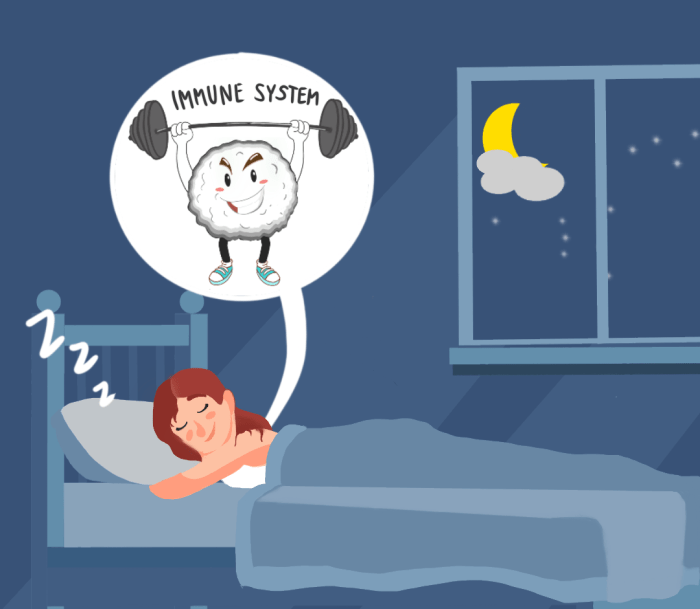
In conclusion, prioritizing sleep is not just about feeling well-rested; it’s a crucial investment in our long-term health and well-being. Understanding the profound link between sleep and our immune system empowers us to make informed choices that support a strong and resilient body.
By embracing a healthy sleep routine, we equip ourselves with a powerful tool to combat illness and thrive in a world filled with challenges.
FAQ Resource
How much sleep do I really need?
The amount of sleep needed varies by age and individual needs. However, most adults require around 7-9 hours of quality sleep per night.
What are some tips for improving sleep quality?
Establish a consistent sleep schedule, create a relaxing bedtime routine, ensure a dark, quiet, and cool sleeping environment, and avoid caffeine and alcohol before bed.
Can sleep deprivation weaken my immune system?
Yes, chronic sleep deprivation can weaken your immune system, making you more susceptible to infections and illness.
Are there any natural remedies for improving sleep?
Consider incorporating relaxation techniques like meditation or deep breathing exercises, consuming calming herbal teas like chamomile or lavender, or taking a warm bath before bed.


More Stories
Chronic Diseases Prevention Tips for Seniors & Aging Adults
Improving Quality of Life for People with Chronic Diseases
Best Diets for Managing Chronic Diseases Like Hypertension