Best diets for managing chronic diseases such as hypertension are essential for improving health and preventing complications. Hypertension, also known as high blood pressure, is a significant health concern that can lead to heart disease, stroke, and kidney failure. By adopting specific dietary approaches, individuals can effectively manage their blood pressure and reduce their risk of these serious health problems.
This article will delve into the most effective dietary strategies for managing hypertension, including the DASH and Mediterranean diets. We will explore the key dietary components that play a crucial role in blood pressure regulation, such as reducing sodium intake and increasing potassium consumption.
Furthermore, we will discuss the importance of lifestyle modifications, such as regular exercise, stress management, and maintaining a healthy weight, in conjunction with a healthy diet.
Understanding Hypertension and Chronic Diseases
Hypertension, also known as high blood pressure, is a significant risk factor for many chronic diseases. Understanding the connection between hypertension and these conditions is crucial for effective management and prevention.
Hypertension and Its Potential Complications
Hypertension occurs when the force of blood pushing against the walls of your arteries is consistently too high. This sustained pressure can damage blood vessels, leading to various health complications.
Potential Complications of Hypertension
- Heart disease:Hypertension increases the workload on the heart, making it more prone to damage, including heart attacks and heart failure.
- Stroke:High blood pressure can weaken blood vessels in the brain, increasing the risk of a stroke, which occurs when a blood vessel in the brain bursts or becomes blocked.
- Kidney disease:Hypertension can damage the tiny blood vessels in the kidneys, leading to kidney failure.
- Eye problems:Hypertension can damage the blood vessels in the eyes, potentially causing vision loss or blindness.
- Aneurysm:High blood pressure can weaken blood vessel walls, increasing the risk of an aneurysm, a bulge in a blood vessel that can burst.
Chronic Diseases Often Linked to Hypertension
Hypertension is often associated with other chronic diseases, forming a complex interplay of risk factors.
Chronic Diseases Linked to Hypertension
- Diabetes:Both diabetes and hypertension share common risk factors, such as obesity and lack of physical activity. Individuals with diabetes are more likely to develop hypertension, and vice versa.
- Obesity:Excess weight puts added strain on the heart and blood vessels, increasing the risk of both hypertension and other chronic diseases.
- Sleep Apnea:This condition causes repeated interruptions in breathing during sleep, leading to fluctuations in blood pressure and increasing the risk of hypertension.
- Kidney Disease:Hypertension can damage the kidneys, but kidney disease can also contribute to high blood pressure, creating a vicious cycle.
- Heart Disease:Hypertension is a major risk factor for heart disease, and the two conditions often coexist.
Dietary Approaches to Managing Hypertension
Hypertension, also known as high blood pressure, is a chronic condition that affects millions worldwide. While medication is often necessary to manage hypertension, dietary changes can play a significant role in controlling blood pressure and reducing the risk of heart disease.
There are several dietary approaches that have proven effective in managing hypertension, two of which are the DASH diet and the Mediterranean diet.
The DASH Diet
The DASH (Dietary Approaches to Stop Hypertension) diet is a well-researched dietary pattern designed to lower blood pressure. It emphasizes fruits, vegetables, whole grains, and low-fat dairy products while limiting saturated fat, cholesterol, and sodium. The DASH diet is rich in potassium, magnesium, and calcium, which are minerals known to help regulate blood pressure.The DASH diet is divided into eight food groups, each with recommended daily servings:
- Fruits: 4-5 servings
- Vegetables: 4-5 servings
- Grains: 6-8 servings, at least half of which should be whole grains
- Low-fat dairy: 2-3 servings
- Lean meats, poultry, and fish: 2-3 servings
- Nuts, seeds, and legumes: 4-5 servings per week
- Fats and oils: 2-3 servings per day
- Sweets and added sugars: 5 servings or less per week
Numerous studies have demonstrated the effectiveness of the DASH diet in lowering blood pressure. A 2001 study published in the New England Journal of Medicine found that participants who followed the DASH diet for eight weeks experienced a significant reduction in systolic and diastolic blood pressure.
The DASH diet has also been shown to reduce the risk of heart disease and stroke.
The Mediterranean Diet
The Mediterranean diet is a dietary pattern based on traditional eating habits in countries bordering the Mediterranean Sea, such as Greece, Italy, and Spain. It emphasizes fruits, vegetables, whole grains, legumes, nuts, seeds, and olive oil. The Mediterranean diet also includes moderate amounts of fish, poultry, and dairy products, while limiting red meat and saturated fat.The Mediterranean diet is rich in antioxidants, which are compounds that protect cells from damage caused by free radicals.
This diet has been linked to a lower risk of heart disease, stroke, type 2 diabetes, and certain types of cancer. Several studies have also shown that the Mediterranean diet can effectively lower blood pressure.
Comparing the DASH and Mediterranean Diets
The DASH and Mediterranean diets share many similarities, both emphasizing fruits, vegetables, whole grains, and healthy fats. However, there are some key differences:
| Characteristic | DASH Diet | Mediterranean Diet |
|---|---|---|
| Focus | Lowering blood pressure | Overall heart health and well-being |
| Sodium | Low sodium intake | Moderate sodium intake |
| Dairy | Emphasis on low-fat dairy products | Moderate intake of dairy products, including full-fat yogurt and cheese |
| Fish | Not specifically emphasized | Encourages regular consumption of fatty fish, such as salmon and tuna |
Both the DASH and Mediterranean diets are effective in managing hypertension and promoting overall health. The best diet for you will depend on your individual preferences and health needs. It’s always advisable to consult with a healthcare professional or registered dietitian to determine the best dietary approach for your situation.
Key Dietary Components for Hypertension Management
A balanced diet plays a crucial role in managing hypertension. Certain nutrients can directly impact blood pressure levels, making it essential to understand their importance and how to incorporate them into your daily meals.
Essential Nutrients for Blood Pressure Regulation
The following nutrients play a significant role in maintaining healthy blood pressure:
- Potassium: Potassium helps relax blood vessels, promoting vasodilation, which lowers blood pressure. It counteracts the effects of sodium, reducing its impact on blood pressure.
- Magnesium: Magnesium also contributes to blood vessel relaxation, helping lower blood pressure. It plays a role in regulating muscle contractions, including those in blood vessel walls.
- Calcium: Calcium is essential for healthy blood vessels and heart function. It helps maintain blood pressure by regulating the contraction and relaxation of blood vessels.
- Fiber: Dietary fiber, particularly soluble fiber, can help lower blood pressure by absorbing water in the digestive tract, which slows down the absorption of sodium.
Reducing Sodium Intake
Sodium is a mineral that can significantly increase blood pressure. Excessive sodium intake can lead to fluid retention, putting strain on the heart and blood vessels.
High sodium intake can contribute to hypertension, heart disease, and stroke.
Here are some strategies to reduce sodium intake:
- Read food labels: Pay attention to the sodium content of packaged foods, choosing options with lower sodium levels.
- Cook at home: This allows you to control the amount of sodium added to your meals.
- Limit processed foods: Processed foods are often high in sodium, so reducing their consumption is essential.
- Choose fresh fruits and vegetables: These are naturally low in sodium and rich in potassium, which can help lower blood pressure.
- Use herbs and spices: These can add flavor to your food without relying on salt.
Increasing Potassium Consumption
Potassium, as mentioned earlier, counteracts the effects of sodium and helps relax blood vessels. Increasing potassium intake can significantly contribute to lowering blood pressure.
- Eat plenty of fruits and vegetables: Fruits and vegetables are excellent sources of potassium. Examples include bananas, oranges, potatoes, spinach, and tomatoes.
- Choose low-sodium dairy products: Milk, yogurt, and cheese are good sources of potassium. Opt for low-sodium versions to reduce your overall sodium intake.
- Add potassium-rich foods to your meals: Include potassium-rich foods in your daily meals, such as sweet potatoes, beans, lentils, and avocado.
Sample Meal Plan
Here’s a sample meal plan that incorporates key dietary components for hypertension management:
Breakfast
- Oatmeal with berries and a handful of almonds
- Greek yogurt with sliced banana and a sprinkle of chia seeds
- Whole-wheat toast with avocado and a poached egg
Lunch
- Salmon with roasted vegetables (broccoli, carrots, peppers)
- Lentil soup with a side of whole-wheat bread
- Quinoa salad with chickpeas, cucumber, and feta cheese
Dinner
- Grilled chicken breast with brown rice and steamed green beans
- Vegetarian chili with kidney beans, black beans, and corn
- Baked salmon with roasted asparagus and sweet potato
Snacks
- Fruits (apple, pear, orange)
- Raw vegetables (carrot sticks, celery)
- Trail mix (nuts, seeds, dried fruit)
- Low-sodium yogurt
Remember to consult with your healthcare provider or a registered dietitian for personalized dietary advice based on your individual needs and medical history.
Food Choices for a Healthy Heart
Eating a heart-healthy diet is crucial for managing hypertension and reducing your risk of heart disease. By making smart food choices, you can lower your blood pressure, improve your cholesterol levels, and support your overall cardiovascular health.
Fruits and Vegetables
Fruits and vegetables are packed with essential nutrients, including potassium, magnesium, and fiber, which are beneficial for lowering blood pressure. Aim to consume at least five servings of fruits and vegetables daily.
- Berries:Blueberries, strawberries, raspberries, and blackberries are rich in antioxidants and fiber.
- Citrus Fruits:Oranges, grapefruits, and lemons are excellent sources of vitamin C and potassium.
- Leafy Greens:Spinach, kale, collard greens, and romaine lettuce are rich in vitamins, minerals, and fiber.
- Avocado:A good source of healthy fats, fiber, and potassium.
- Tomatoes:Rich in lycopene, an antioxidant that may help protect against heart disease.
Whole Grains
Whole grains provide fiber, which helps regulate blood sugar levels and lower cholesterol. Choose whole grain bread, pasta, rice, and cereals over refined grain options.
- Brown Rice:A good source of fiber, magnesium, and manganese.
- Quinoa:A complete protein source that is also high in fiber and iron.
- Oatmeal:A good source of soluble fiber, which can help lower cholesterol.
- Whole Wheat Bread:Choose bread with at least 3 grams of fiber per slice.
Lean Protein Sources
Lean protein sources provide essential nutrients without adding excess saturated fat. Choose fish, poultry, beans, and lentils over red meat.
- Salmon:Rich in omega-3 fatty acids, which can help lower blood pressure and improve heart health.
- Chicken Breast:A lean protein source that is low in saturated fat.
- Beans and Lentils:Excellent sources of fiber, protein, and iron.
- Tofu:A plant-based protein source that is low in saturated fat.
Healthy and Delicious Recipes
Mediterranean Quinoa Salad
Ingredients:* 1 cup cooked quinoa
- 1 cup chopped cucumber
- 1/2 cup chopped red onion
- 1/2 cup chopped bell pepper
- 1/4 cup chopped fresh parsley
- 1/4 cup crumbled feta cheese
- 1/4 cup olive oil
- 2 tablespoons lemon juice
- Salt and pepper to taste
Instructions:
- Combine all ingredients in a large bowl.
- Toss to coat and serve immediately or chill for later.
Grilled Salmon with Roasted Vegetables
Ingredients:* 1 pound salmon fillet
- 1 cup chopped broccoli
- 1 cup chopped carrots
- 1/2 cup chopped onion
- 1 tablespoon olive oil
- Salt and pepper to taste
Instructions:
- Preheat oven to 400 degrees Fahrenheit.
- Toss broccoli, carrots, and onion with olive oil, salt, and pepper.
- Spread vegetables on a baking sheet and roast for 20 minutes.
- While vegetables are roasting, grill salmon for 10-12 minutes, or until cooked through.
- Serve salmon with roasted vegetables.
Lifestyle Modifications for Optimal Health
Making positive changes to your lifestyle can play a crucial role in managing hypertension and improving overall health. Alongside a heart-healthy diet, incorporating regular physical activity, stress management techniques, and maintaining a healthy weight are essential components of a comprehensive approach to managing chronic diseases.
Regular Exercise and Blood Pressure
Regular physical activity has a significant impact on blood pressure management. Engaging in moderate-intensity aerobic exercise for at least 30 minutes most days of the week can help lower blood pressure by strengthening the heart and improving blood flow.
Exercise helps the heart pump more efficiently, which reduces the workload on the heart and lowers blood pressure.
Even small amounts of exercise can make a difference. Aim for at least 150 minutes of moderate-intensity aerobic activity or 75 minutes of vigorous-intensity aerobic activity per week. Examples of moderate-intensity activities include brisk walking, swimming, cycling, and dancing.
Stress Management Techniques
Stress can significantly contribute to elevated blood pressure. Implementing stress management techniques can help reduce stress levels and improve overall well-being.
Stress hormones released during stressful situations can temporarily raise blood pressure.
Effective stress management techniques include:
- Deep breathing exercises: Practicing deep, slow breaths can help calm the nervous system and lower blood pressure.
- Meditation: Regular meditation practice can reduce stress and promote relaxation.
- Yoga: Yoga combines physical postures with breathing exercises and meditation, offering a holistic approach to stress management.
- Spending time in nature: Connecting with nature can provide a sense of peace and tranquility, reducing stress levels.
Maintaining a Healthy Weight, Best diets for managing chronic diseases such as hypertension
Excess weight puts additional strain on the heart and can contribute to hypertension. Maintaining a healthy weight is essential for managing blood pressure.
Obesity is a major risk factor for hypertension, increasing the workload on the heart and blood vessels.
To achieve and maintain a healthy weight, it is recommended to:
- Follow a balanced, heart-healthy diet: This includes limiting saturated and trans fats, cholesterol, and sodium while focusing on fruits, vegetables, whole grains, and lean protein.
- Engage in regular physical activity: Aim for at least 30 minutes of moderate-intensity exercise most days of the week.
- Limit calorie intake: Pay attention to portion sizes and make mindful food choices to avoid overeating.
The Role of Nutrition in Preventing Chronic Diseases
A balanced diet is not just about maintaining a healthy weight; it plays a crucial role in preventing chronic diseases. By consuming a variety of nutrient-rich foods, we can significantly reduce our risk of developing conditions like heart disease, stroke, type 2 diabetes, and certain cancers.
The Connection Between Diet and Chronic Disease Risk
A healthy diet is directly linked to a lower risk of developing chronic diseases. When we consume a balanced diet rich in fruits, vegetables, whole grains, and lean protein, we provide our bodies with the essential nutrients they need to function optimally.
This helps protect against inflammation, oxidative stress, and other factors that contribute to chronic disease development.
The Importance of Fruits, Vegetables, and Whole Grains
These food groups are packed with vitamins, minerals, antioxidants, and fiber, all of which play vital roles in maintaining overall health.
- Fruits and vegetablesare excellent sources of antioxidants, which help protect cells from damage caused by free radicals. They also provide fiber, which aids in digestion and helps regulate blood sugar levels.
- Whole grainsare rich in fiber, which helps lower cholesterol levels and promotes satiety, making it easier to maintain a healthy weight. They also contain B vitamins, which are essential for energy production and nerve function.
Examples of Dietary Choices and Chronic Disease Risk
Dietary choices can have a significant impact on the development of chronic diseases. For instance:
- High sodium intakeis a major risk factor for hypertension (high blood pressure), which can lead to heart disease and stroke.
- Excessive consumption of saturated and trans fatscan raise LDL (bad) cholesterol levels, increasing the risk of heart disease.
- A diet high in processed foods and sugary drinkscan contribute to weight gain, insulin resistance, and an increased risk of type 2 diabetes.
Building a Strong Immune System

Your immune system is your body’s natural defense against infections and diseases. A strong immune system can help you fight off illnesses and recover quickly. Nutrition plays a vital role in supporting your immune system, providing the necessary nutrients for its proper functioning.
Foods that Boost Immunity
A balanced diet rich in specific nutrients can help strengthen your immune system. Here are some foods that are known to boost immunity:
- Fruits and Vegetables:Rich in vitamins, minerals, and antioxidants, fruits and vegetables like oranges, berries, spinach, broccoli, and bell peppers provide essential nutrients for immune function.
- Citrus Fruits:Known for their high vitamin C content, citrus fruits like oranges, lemons, and grapefruits are excellent sources of antioxidants that help protect cells from damage and support immune function.
- Garlic:Garlic has been used for its medicinal properties for centuries. It contains allicin, a compound with antibacterial and antiviral effects.
- Ginger:Ginger is another popular spice with anti-inflammatory properties that can help reduce inflammation and boost immunity.
- Yogurt:Yogurt contains probiotics, live bacteria that are beneficial for gut health. A healthy gut microbiome is crucial for a strong immune system.
- Nuts and Seeds:Nuts and seeds like almonds, walnuts, pumpkin seeds, and sunflower seeds are rich in vitamin E, selenium, and zinc, which are essential for immune function.
- Lean Protein:Lean protein sources like chicken, fish, beans, and lentils provide amino acids necessary for the production of antibodies and other immune cells.
Immune-Boosting Meal Plan
Here’s a sample meal plan incorporating immunity-boosting ingredients:
Breakfast
Oatmeal with berries and nuts
This breakfast option provides fiber, antioxidants, and healthy fats.
Smoothie with spinach, banana, and yogurt
A quick and easy way to get your daily dose of fruits, vegetables, and probiotics.
Lunch
Chicken salad sandwich on whole-wheat bread with lettuce and tomato
Provides protein, fiber, and vitamins.
Lentil soup with a side of whole-grain bread
A hearty and nutritious meal packed with protein, fiber, and antioxidants.
Dinner
Salmon with roasted vegetables
Salmon is rich in omega-3 fatty acids, which have anti-inflammatory properties.
Chicken stir-fry with broccoli and bell peppers
A flavorful and nutritious meal that provides protein, fiber, and vitamins.
Snacks
Fruits
Apples, bananas, oranges, or berries.
Yogurt with berries
A healthy and satisfying snack that provides probiotics and antioxidants.
Nuts and seeds
Almonds, walnuts, pumpkin seeds, or sunflower seeds.
End of Discussion: Best Diets For Managing Chronic Diseases Such As Hypertension
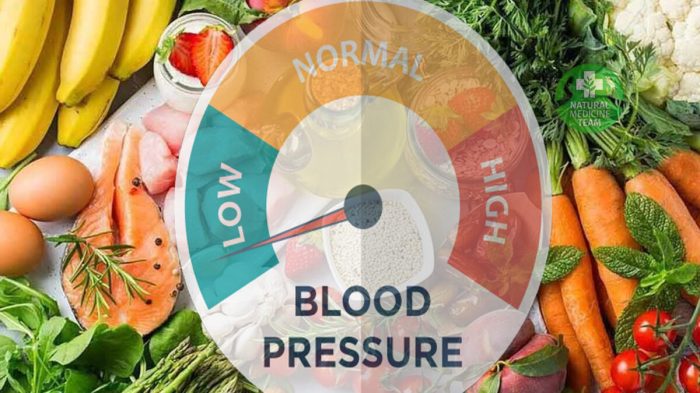
By embracing a heart-healthy diet and making necessary lifestyle changes, individuals can effectively manage their blood pressure and significantly reduce their risk of chronic diseases. Remember, consulting with a healthcare professional is crucial for personalized guidance and to address any underlying health concerns.
FAQ
What are the main causes of hypertension?
Hypertension can be caused by a variety of factors, including genetics, age, lifestyle choices, and underlying medical conditions. While some causes are beyond our control, adopting a healthy lifestyle can significantly reduce the risk of developing hypertension.
Can I reverse hypertension with diet alone?
While a healthy diet plays a crucial role in managing hypertension, it may not be enough to completely reverse it. However, it can significantly lower blood pressure and reduce the need for medication. It’s important to consult with a healthcare professional for personalized advice and treatment.
What are some easy ways to reduce sodium intake?
Here are some tips to reduce sodium intake:
- Choose fresh, frozen, or canned foods labeled “low sodium” or “no salt added.”
- Read food labels carefully and compare sodium content.
- Limit processed foods, fast food, and restaurant meals, which tend to be high in sodium.
- Cook at home more often and use fresh herbs and spices to flavor your food instead of salt.


More Stories
Chronic Diseases Prevention Tips for Seniors & Aging Adults
Sleeps Role in Boosting Your Immune System
Improving Quality of Life for People with Chronic Diseases